


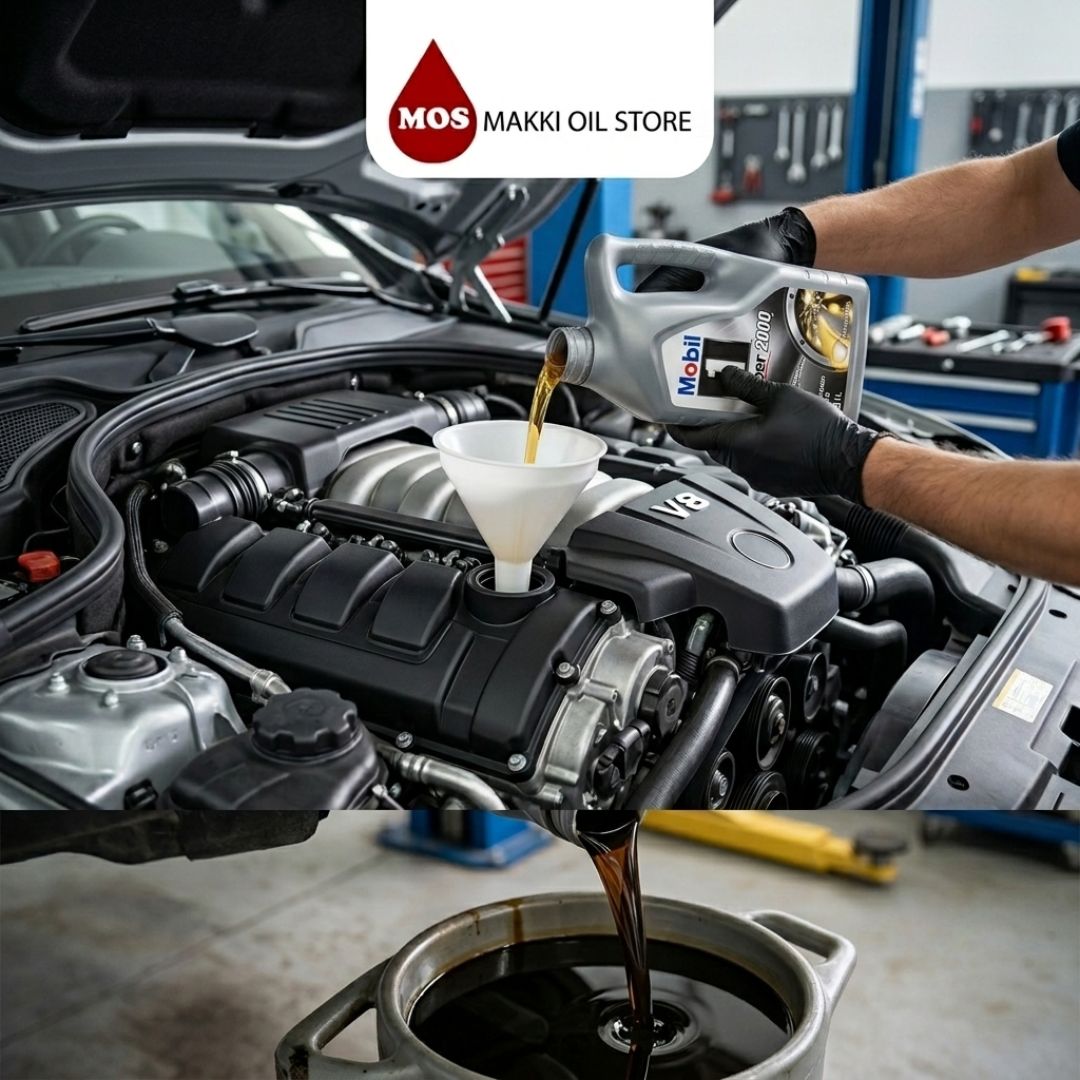
Driving in Pakistan, from the bustling streets of Lahore to the diverse terrains across our national highways, places unique demands on your vehicle. While car manuals often provide a “standard” service interval, those guidelines are usually written for cooler climates and smooth, uncongested roads. Here in Pakistan, we face a combination of extreme heat, heavy stop-and-go traffic, and significant road dust. These factors significantly accelerate the degradation of your lubricant, meaning you must be more proactive if you want your engine to last.
Understanding Severe Driving Conditions
Automotive experts define “severe” driving conditions not by how aggressively you drive, but by the stresses placed on your engine. In our local environment, most daily commutes qualify as severe. When you are idling in gridlock, your engine is running, but there is no airflow over the radiator to help manage heat. This causes the engine oil temperature to climb higher than it would during a steady highway cruise.
Furthermore, high ambient temperatures accelerate the oxidation process. As oil oxidizes, it thickens and begins to lose its ability to flow freely and protect moving parts. If you are curious about the mechanical threshold, it is important to understand why do we need to change our cars engine oil when it reaches its limit to prevent the formation of harmful sludge. Waiting until the absolute last kilometer mentioned in a manual can often be too late for an engine working in such a harsh climate.
The Impact of Dust and Contaminants
Beyond heat, our road conditions are characterized by high levels of airborne particulates. Even with a high-quality air filter, microscopic dust particles eventually find their way into the oil supply. These particles act as an abrasive grit inside the engine, potentially scarring cylinder walls and wearing down bearing surfaces prematurely.
When your oil is saturated with these contaminants, it loses its ability to keep the engine clean. The detergents and dispersants in the lubricant become overwhelmed, allowing carbon deposits and grit to settle on vital components. By choosing to change engine oil at more frequent intervals ideally every 4,000 to 5,000 kilometers you ensure that your engine is always operating with fresh, capable lubricant that can effectively suspend contaminants until they are trapped by your oil filter.
Partnering with Professionals for Engine Health
Consistent maintenance is the secret to a long-lasting vehicle. When you service your car at the Makki Oil Store, you get more than just a quick fluid swap; you get the expertise of professionals who understand the specific stresses of Pakistani roads. We emphasize the importance of using full synthetic oils that are specifically engineered to resist heat-induced thinning and oxidation.
By staying ahead of the maintenance curve, you preserve your vehicle’s performance, fuel efficiency, and overall resale value. We recommend keeping a simple log of your service dates and mileage to ensure you are never caught off-guard.
Frequently Asked Questions
Why does heavy traffic in Pakistan make my engine oil break down faster?
Heavy traffic forces your engine to idle for long periods, which keeps the engine running while limiting the cooling effect of high-speed airflow. This causes the oil to stay at high, heat-stressed temperatures without proper relief. Furthermore, idling is inefficient, leading to incomplete combustion that can introduce excess fuel and soot into the oil supply. These contaminants dilute the oil and reduce its protective properties, necessitating more frequent changes than highway driving would.
Can high ambient temperatures in the summer affect oil life?
Absolutely. Summer heat in Pakistan acts as a catalyst for oxidation. Engine oil is a complex chemical mixture, and heat causes these molecules to react with oxygen, which permanently alters the oil’s structure. As the oil oxidizes, it becomes thicker, loses its lubricating film strength, and begins to form sludge. Using a high-quality synthetic oil designed for thermal stability is the best way to combat this, but even the best oil has a limit when subjected to our intense seasonal heat.
Does the dust on Pakistani roads really get into my engine oil?
Yes, it does. While your engine’s intake system is designed to filter out dust, no filter is 100% efficient. Over thousands of kilometers, microscopic dust particles will inevitably bypass the intake and enter the combustion chamber, eventually slipping past piston rings into the oil. Once in the oil, these particles act as an abrasive. Changing your oil and filter regularly is the only way to remove these abrasive contaminants before they can damage your engine’s delicate internal surfaces.
Is it really necessary to change the oil filter every single time?
Yes, it is non-negotiable. The oil filter is the only thing standing between your engine and the contaminants described above. If you change the oil but leave the old, dirty filter in place, the fresh oil will immediately become contaminated as it circulates through the clogged filter media. Always replace your filter during every service to ensure that you are maintaining a clean, efficient lubrication system that can properly protect your engine during the next interval.
How can I tell if my oil is no longer protecting my engine?
You can perform a simple check by pulling the dipstick. If the oil is pitch black and feels gritty or “thick” between your fingers, it has likely exceeded its useful life. However, modern engines are sensitive, so you shouldn’t wait for the oil to look bad. If you notice your engine sounds slightly louder or if you experience a drop in fuel economy, it is a clear sign that the lubricant is no longer providing optimal friction reduction. Never rely on the oil’s appearance alone; stick to a consistent, mileage-based schedule.