


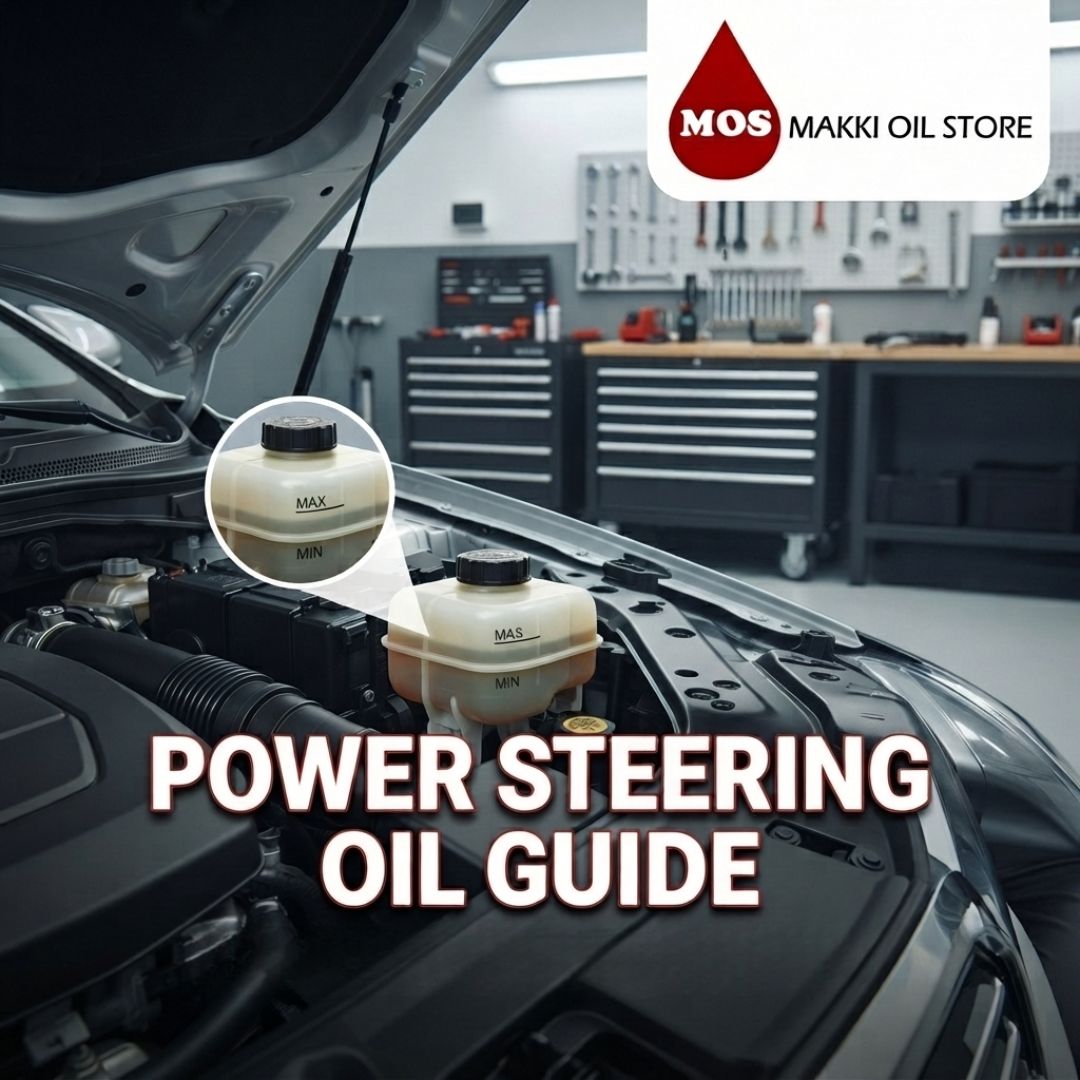
Most drivers only notice their power steering system when it stops working correctly. You might feel a sudden stiffness in the wheel or hear a faint, high-pitched whine when turning into a parking spot. These are classic indicators that your steering oil is either low or has degraded to the point where it can no longer provide the necessary hydraulic assistance. While it is often overshadowed by engine and brake maintenance, steering fluid is essential for precision control and overall vehicle safety.
The Role of Steering Fluid in Handling
Your power steering system operates through a hydraulic mechanism that multiplies the force you apply to the steering wheel. The fluid acts as the medium that carries this pressure to the steering rack or gearbox. When the fluid is clean and at the correct level, your steering feels smooth, consistent, and effortless. However, as fluid ages, it becomes contaminated with metallic debris from the system’s own internal components and loses its viscosity due to constant heat cycles.
When steering fluid degrades, it leads to several performance issues. The pump may struggle to build the required pressure, which causes that notorious “groaning” noise. More importantly, delayed response times can make maneuvering in tight city traffic or at highway speeds less predictable. If you are serious about maintaining your vehicle’s handling characteristics, you must prioritize the quality of your fluids. Many drivers rely on a guide to finding the best engine oil shop in Lahore to ensure that all vehicle fluids, including steering oil, meet the high standards required for our challenging road conditions.
Why Maintenance Matters in Lahore
Driving in a bustling city like Lahore, with frequent start-stop traffic and tight maneuvers, puts a unique strain on power steering systems. The constant turning of the wheel generates heat within the pump, and if the fluid is old or contaminated, this heat breaks down the oil much faster. Over time, this sludge can damage the internal seals and hoses, leading to leaks that are not only messy but can eventually cause the entire steering pump to fail.
At the Makki Oil Store, we emphasize that steering fluid should be inspected during every routine service interval. Replacing the fluid before it turns dark or develops a burnt odor is a simple, low-cost way to extend the life of your power steering pump and avoid expensive mechanical repairs down the line.
Frequently Asked Questions
How often should I change my steering fluid?
While intervals vary depending on the vehicle manufacturer, it is generally recommended to flush and replace your steering fluid every 40,000 to 60,000 kilometers, or every three years. However, if you drive in severe conditions—such as heavy city traffic or extreme temperatures—you may want to check the fluid condition annually. If the fluid appears dark, murky, or has a distinct burnt smell, it has lost its protective properties and should be replaced regardless of the mileage.
What are the main symptoms of low steering fluid?
The most common sign is a stiff steering wheel, especially when the car is moving slowly or during initial startup. You might also hear a whining or groaning sound when you turn the wheel, which indicates that the steering pump is struggling to circulate the fluid because the level is too low. If you notice any of these symptoms, you should check your reservoir immediately to prevent permanent damage to the power steering pump.
Can I use any type of oil for my power steering system?
No, you must always use the specific fluid recommended by your vehicle manufacturer. Most modern power steering systems require either specialized power steering fluid or a specific grade of automatic transmission fluid (ATF). Using the wrong type of fluid can cause the seals inside your steering rack to swell or disintegrate, leading to catastrophic leaks and loss of steering assistance. Always refer to your owner’s manual or check the reservoir cap for the exact specification.
Is it normal for steering fluid to change color?
Fresh steering fluid is typically clear, light pink, or light yellow. If your fluid has turned dark brown or black, it indicates that it has been contaminated by oxidized rubber from the system’s hoses or metallic particles from the pump itself. This discolored fluid no longer provides the necessary lubrication or heat protection, and it is a clear signal that the system needs to be flushed and refilled with fresh, high-quality fluid.
What causes power steering leaks?
Leaks are most commonly caused by worn-out rubber hoses or seals that have hardened over time. When fluid is not changed regularly, it loses its conditioning agents that keep these rubber seals supple and flexible. Once the seals become brittle, they crack, causing fluid to seep out. Neglecting a small leak can eventually lead to a significant drop in fluid levels, placing extreme stress on the pump and causing it to overheat and fail prematurely.