


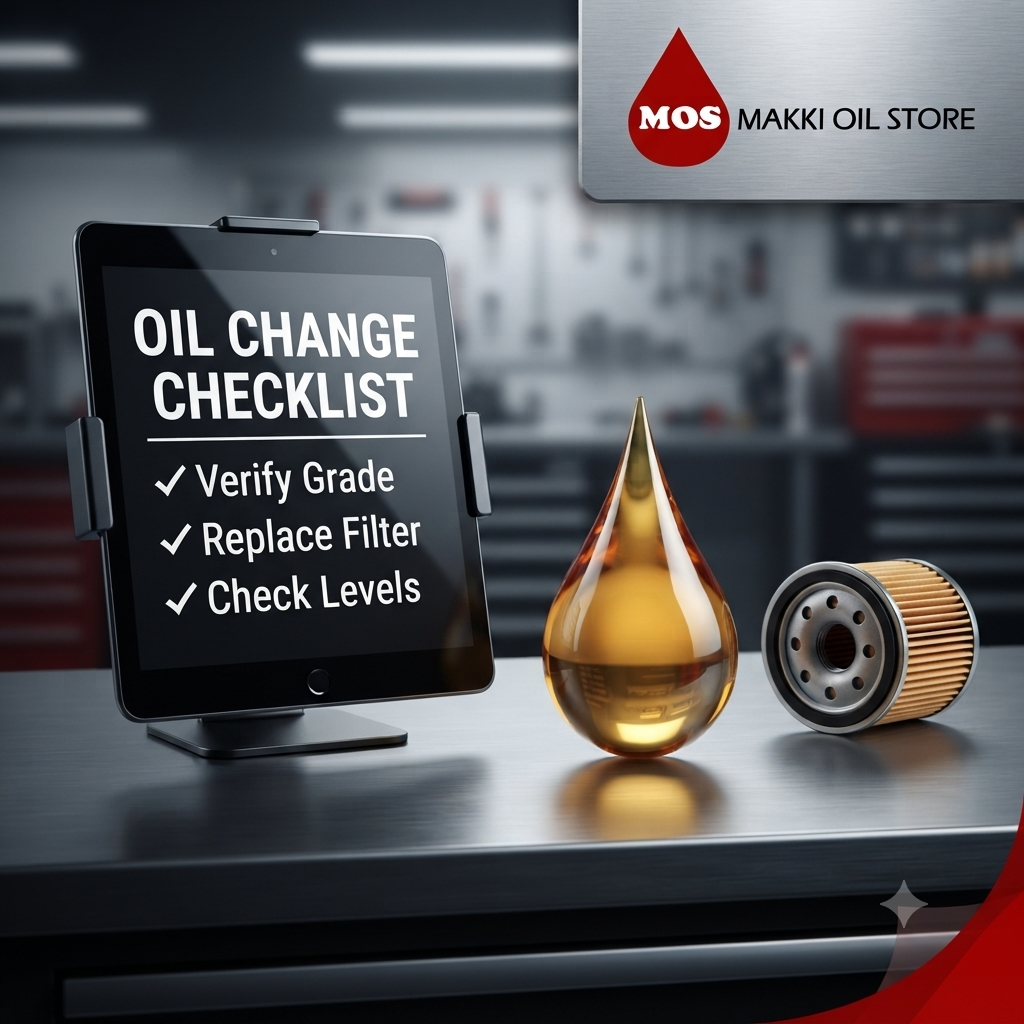
Life gets busy, and tracking exact mileage milestones for routine car maintenance often slips down the priority list. Many vehicle owners assume that pushing past a recommended service interval by a few hundred or even a couple of thousand kilometers is harmless. However, choosing to delay an oil change initiates a slow, compounding chain reaction inside your engine block that compromises fluid viscosity, increases mechanical friction, and accelerates component wear. Understanding how engine oil degrades over time reveals why timely maintenance is the single most important factor in preserving your vehicle’s lifespan.
The Chemical Breakdown of Aging Lubricants
Engine oil does much more than simply lubricate moving parts; it acts as a thermal buffer, a detergent, and a hydraulic fluid. During normal operation, the base stock and specialized additive packages such as detergents, dispersants, anti-wear agents, and viscosity index improvers are subjected to intense heat, high shear forces, and continuous contamination. As these additives exhaust their functional lifespan, the oil begins to oxidize and break down chemically.
When a driver postpones routine service, the fluid loses its structural integrity and can no longer maintain a stable protective film under high temperatures. Drivers who frequently push past standard mileage thresholds can explore detailed technical consequences by reviewing our guide on what happens if you don’t change engine oil on time to understand how neglected lubrication alters internal engine dynamics. Letting fluid degrade transforms your protective barrier into a thin, ineffective liquid that fails to shield critical metal surfaces.
Sludge Accumulation and Restricted Oil Galleries
As an engine oil ages past its operational window, it loses its ability to hold microscopic soot, combustion byproducts, and metallic wear particles in suspension. Instead of keeping these contaminants safely dissolved so the oil filter can catch them, the degrading fluid begins to drop solids out of suspension. These deposits accumulate inside narrow oil galleries, hydraulic valve lifters, and around piston rings, gradually forming a thick, tar-like substance known as engine sludge.
This sludge buildup acts like cholesterol in human arteries, severely restricting the flow of fresh lubricant to high-friction components. If you want to dive deeper into the specific mechanical damage caused by this neglected circulation, you can examine our comprehensive breakdown covering what happens to your car when you don’t change your engine oil to recognize early warning signs of internal distress. Once oil galleries become choked with sludge, oil pressure drops precipitously, risking total engine seizure.
Environmental Realities and Urban Stressors
Driving conditions in regions characterized by intense summer heat waves, heavy traffic congestion, and airborne dust accelerate oil degradation far more quickly than mild climates. When a vehicle is subjected to prolonged idling in bumper-to-bumper traffic, the engine oil operates under continuous thermal stress without receiving adequate cooling airflow across the crankcase. Under these harsh conditions, aged oil breaks down twice as fast, turning into an abrasive sludge that attacks seals, gaskets, and bearings.
At the Makki Oil Store, we frequently assist motorists who underestimated the impact of local driving environments on their service intervals. Adhering to proactive maintenance routines tailored to regional climate demands ensures your engine stays protected against premature wear, heavy sludge formation, and unexpected mechanical breakdowns.
The Financial Reality of Postponed Maintenance
Many drivers delay routine service under the impression that they are saving money in the short term by stretching out the lifespan of their fluids. In reality, this habit leads to exponentially higher repair bills down the road. An engine running on degraded, sludge-filled oil suffers from increased friction, which reduces fuel efficiency and robs the vehicle of horsepower. Over time, this constant mechanical strain destroys expensive components like camshafts, turbochargers, and rod bearings, turning a minor preventative maintenance expense into a major engine overhaul.
Frequently Asked Questions
How many kilometers can I safely drive past my oil change interval?
While most modern synthetic oils offer a safety margin that prevents immediate engine failure if you exceed your service interval by a few hundred kilometers, making a habit of it is risky. Pushing past your recommended limit by more than one thousand kilometers exposes the degrading additive package to severe thermal stress, increasing sludge formation and reducing film strength. It is always best to treat manufacturer intervals as firm boundaries rather than flexible guidelines to ensure long-term engine health.
Why does engine oil turn black and thick when service is delayed?
Engine oil turns dark black and thick over time because it is designed to capture combustion byproducts, soot, microscopic metal shavings, and carbon deposits, holding them safely in suspension. When you delay a service, the oil’s dispersing additives become completely saturated and can no longer trap these contaminants. As oxidation progresses, the fluid thickens and bakes onto internal engine surfaces, forming stubborn sludge deposits that restrict vital oil flow.
Can delaying an oil change cause my engine to overheat?
Delaying an oil change can indeed contribute to engine overheating because aged, degraded oil loses its thermal capacity to transfer heat away from critical internal components. Engine oil absorbs a significant portion of the combustion heat generated under the pistons and around the cylinder head; if the fluid is thick with sludge or broken down by heat, it circulates poorly and fails to cool the motor efficiently, causing overall operating temperatures to rise.
How does delayed oil maintenance affect fuel economy?
When you neglect your oil change, the lubricant loses its viscosity stability and accumulates friction-increasing contaminants, creating heavy drag across all internal moving parts. The engine must work much harder and burn more fuel just to overcome this internal resistance and turn the crankshaft. Consequently, drivers will notice a measurable drop in miles per gallon or kilometers per liter until fresh, high-quality lubricant is restored to the crankcase.
What are the first warning signs that an engine has gone too long without an oil change?
The earliest warning signs of an overdue oil change often include a louder, ticking noise from the valve train as hydraulic lifters starve for proper fluid cushioning. You may also notice a sluggish throttle response, a slight drop in fuel efficiency, a heavier engine vibration while idling, or an amber service reminder light illuminated on your dashboard. Ignoring these subtle cues will eventually lead to darker smoke from the tailpipe, lower oil pressure readings, or a flashing emergency oil warning light.