


Your car’s engine is a masterpiece of precision engineering, relying on thousands of moving parts working in perfect synchronization. At the heart of this system is engine oil, which acts as the lifeblood of your vehicle. It reduces friction, carries away heat, and cleans internal surfaces. Many drivers in Pakistan believe that modern synthetic oils can last forever, but our local driving conditions, intense summer heat, heavy idling in urban traffic, and significant road dust create an environment that demands frequent maintenance. When you fail to change engine oil on time, you are not just skipping a chore; you are slowly compromising the structural integrity of your engine.
The Cumulative Damage of Neglected Maintenance
The most immediate consequence of running on old, degraded oil is increased internal friction. Oil contains a precise package of detergents, dispersants, and anti-wear additives. As the oil ages, these chemicals are depleted. Once they are gone, the oil loses its ability to protect surfaces during high-load scenarios. Without this lubrication, microscopic contact occurs between piston rings and cylinder walls. Over time, these tiny scratches grow, leading to a loss of engine compression, reduced power, and eventually, a failing engine that burns oil and lacks responsiveness.
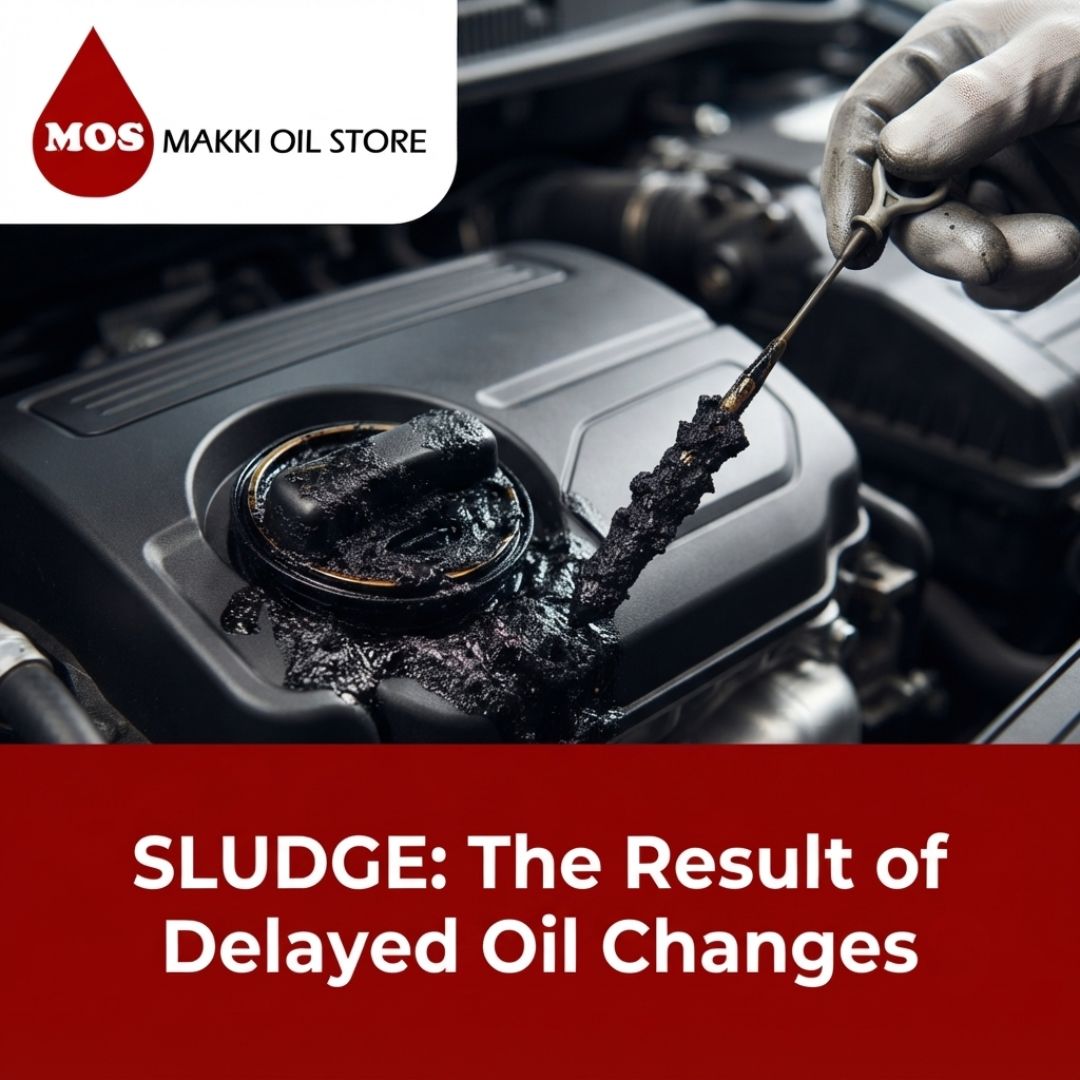
Beyond surface wear, old oil eventually loses its ability to suspend contaminants. It begins to form sludge, a thick, gelatinous substance that clogs oil passages and the pickup screen. This starves the engine of oil pressure, which can cause sudden, catastrophic failure of bearings and other critical components. If you are uncertain about the specific risks posed by our local driving environment, it is worth reviewing guidelines on how often you should change engine oil in Lahore’s dusty traffic to ensure you stay ahead of these issues before they become permanent damage.
Professional Care at Makki Oil Store
Maintenance is not just about replacing fluid; it is about ensuring that the entire lubrication circuit remains clean and efficient. At the Makki Oil Store, we consistently see vehicles that have been serviced properly and those that have been neglected. The difference in engine health is stark. Properly maintained engines run smoother, cooler, and quieter, whereas neglected engines often suffer from permanent carbon deposits that no amount of late maintenance can fully reverse. By staying consistent with your service intervals, you protect the significant investment you have made in your vehicle.
Frequently Asked Questions
Does skipping an oil change really lower my fuel economy?
Yes, it does. When engine oil becomes old and sludgy, it creates significantly more drag inside the engine. Your engine must exert more energy just to move its own internal components, which directly translates to higher fuel consumption. Furthermore, if the oil is not providing an adequate seal around the piston rings, you lose compression. This loss of efficiency means you have to press the accelerator further to get the same amount of power, resulting in noticeable drops in fuel economy over time.
Why is the oil filter just as important as the oil itself?
The oil filter is the only line of defense between your engine and the abrasive grit that accumulates in the oil. If you change your oil but fail to change the filter, the fresh oil will be pumped through a saturated, dirty filter, instantly becoming contaminated. A clogged filter may also trigger a bypass valve, which allows unfiltered, dirty oil to circulate directly through your engine, essentially rendering your entire oil change useless within a matter of minutes.
Can old oil cause my engine to overheat?
Absolutely. One of the primary jobs of engine oil is to act as a heat transfer agent, carrying heat away from the hottest parts of the engine, such as the pistons and turbocharger bearings. As oil ages, it thickens and loses its thermal conductivity. It can no longer effectively carry heat to the oil pan where it can dissipate. This causes the internal engine temperatures to rise, which puts an extreme strain on your cooling system and can lead to thermal breakdown of components.
Is sludge formation reversible?
In most cases, severe sludge formation is not easily reversible. While some engine flushes and premium oils claim to clean engines, they can sometimes cause large chunks of sludge to break loose, which then clog the oil pickup tube and cause immediate engine failure. The best approach is to prevent sludge from forming in the first place by adhering to strict service intervals. If your engine is already suffering from sludge, you should seek professional mechanical advice rather than trying to fix it with chemical additives.
Why do Pakistani driving conditions count as “severe”?
Automotive manufacturers categorize “severe” driving as conditions that place constant stress on the engine, and Pakistani driving fits this definition perfectly. High ambient temperatures cause thermal stress, heavy traffic leads to excessive idling and moisture buildup, and road dust inevitably infiltrates the engine intake. These factors work together to break down oil additives much faster than they would in cooler, cleaner environments with open, flowing roads.