

UAN 0304-1111406

Throttle Cleaning & Learning

Engine Repair & Performance Restoration

The throttle body regulates atmospheric air intake into your engine manifold based on driver pedal input. Navigating daily traffic through dust-heavy corridors across Lahore such as Ferozepur Road, Kalma Chowk, and Bund Road exposes your air intake system to severe airborne dirt and blow-by oil vapors. Over time, carbon sludge and oily varnish accumulate around the butterfly valve plate and internal bore walls. This restriction causes sticky valve movement, restricted idle airflow, erratic engine RPMs, and delayed acceleration response.

As part of our complete automotive care and maintenance solutions, professional throttle body servicing removes heavy carbon buildup and performs electronic idle relearn procedures. Resetting electronic throttle control parameters ensures your engine control unit (ECU) calculates precise air-fuel ratios. To maintain clean intake air delivery after servicing, pair your throttle maintenance with an engine air filter replacement during your routine service visit.

Why Professional Throttle Body Cleaning Matters

Maintaining a clean, recalibrated throttle body directly preserves crisp acceleration, stable engine idling, and precise fuel metering.

Restored Acceleration — Eliminates butterfly valve sticking, ensuring instant, linear throttle response when pressing the gas pedal.
Stable Idle RPM — Prevents erratic engine hunting, RPM dips, and engine stalling when stopping at traffic intersections.
Optimized Fuel Efficiency  — Allows the ECU to maintain accurate air-fuel ratios, preventing rich fuel mixtures caused by restricted airflow.
Carbon Deposit Elimination  — Removes stubborn oily sludge and varnish from internal bore surfaces and valve edges.
Electronic Idle Calibration — Performs digital throttle relearn procedures to synchronize valve plate positions with computer sensors.

Signs Your Vehicle Needs Throttle Body Servicing

Recognizing early symptoms of intake carbon buildup prevents severe engine stalling and erratic driving behavior.

Comprehensive Throttle Body & Calibration Services

Proper throttle maintenance requires specialized solvent cleaning, sensor protection, and electronic OBD-II relearn programming.

Solvent Carbon Removal

Safe extraction of oily varnish, carbon scale, and road dust using non-corrosive intake cleaning agents.

Butterfly Valve Degreasing

Precision cleaning of butterfly valve pivot points and bore seating edges to ensure smooth mechanical movement.

Gasket & Seal Inspection

Checking intake manifold seals and throttle housing O-rings to prevent vacuum leaks.

Electronic Idle Relearn (Throttle Learning)

Resetting factory idle parameters using advanced diagnostic scan tools to calibrate zero-position stops.

Multi-System Maintenance

Combining intake cleaning with specialized diesel fuel filter services for complete fuel and air delivery protection on diesel engines.

Our Diagnostic & Service Process

Technicians across all Makki Oil service centers follow a strict protocol to clean and electronically calibrate your throttle assembly.

1

Intake Disassembly & Visual Assessment

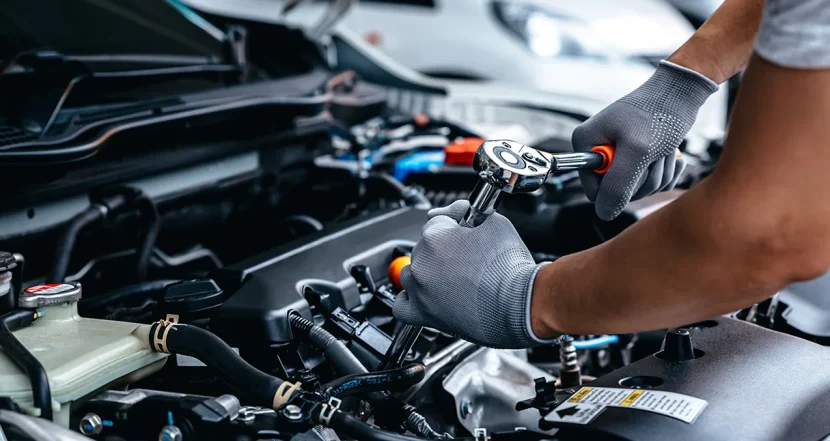
Technicians detach intake hoses, disconnect electrical harness clips, and evaluate carbon buildup levels around the throttle plate.
2

Deep Cleaning & Bore Flushing

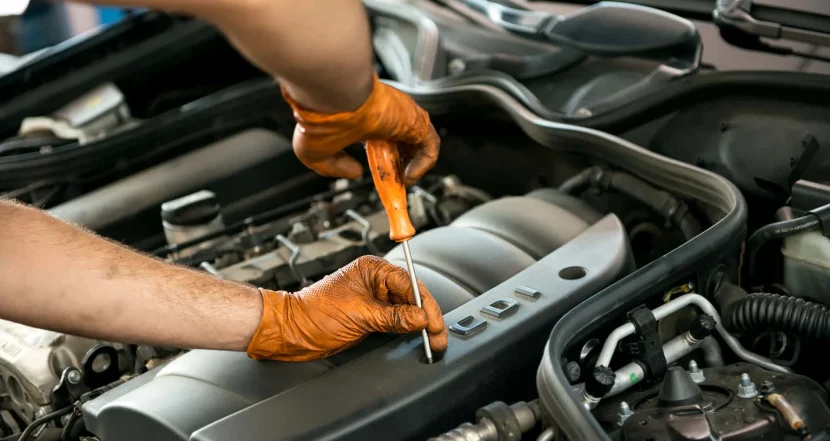
Using specialized intake cleaners and lint-free materials, carbon sludge is removed from internal bore walls and valve edges without damaging electronic sensor coatings.
3

Reassembly & Electronic Idle Relearn

The throttle body is secured back to the intake manifold with tight seals. Technicians connect diagnostic tools to perform electronic throttle learning and verify smooth idle RPMs.

Frequently Asked Questions About Throttle Body Cleaning

How often should I clean the throttle body in Lahore?
In Lahore's dusty environment, throttle body cleaning should be performed every 20,000 km to 30,000 km. Vehicles driven frequently in heavy traffic accumulate carbon faster due to frequent idling and blow-by oil vapors.
What is electronic throttle learning or idle relearn?
Electronic throttle learning is a diagnostic procedure that resets the engine computer's learned memory. After removing carbon deposits, the ECU must relearn the new baseline position of the butterfly valve to maintain a steady idle speed.
Can a dirty throttle body cause my car to stall?
Yes. Heavy carbon accumulation blocks the microscopic gap around the closed butterfly valve. This starves the engine of required idle air, causing RPMs to drop dangerously low or stall completely when stopping.
Why does my engine idle high after cleaning the throttle body?
After cleaning, airflow increases because carbon restriction is removed. If an electronic idle relearn is not performed using a diagnostic scanner, the computer continues applying old compensations, resulting in a high idle RPM.
Can I clean the throttle body without removing it?
Surface wiping can be performed on the vehicle, but complete carbon removal requires careful cleaning around the back of the valve plate and bore walls to prevent dislodged sludge from entering the intake manifold.
Will cleaning the throttle body improve fuel economy?
Yes. Removing airflow restrictions allows the engine control unit to meter fuel accurately, eliminating rich air-fuel mixtures caused by erratic air intake.
How long does a throttle body cleaning and learning service take at Makki Oil?
A complete throttle body cleaning and electronic relearn service takes approximately 25 to 35 minutes. Our technicians perform the physical cleaning, reinstall seals, and complete scan-tool calibration while you wait.
Can spray cleaner damage electronic throttle sensors?
Using harsh solvents or spraying liquid directly into electronic drive motors can damage delicate internal circuitry. Our technicians use dedicated, electronic-safe intake cleaners and proper application methods.
Should I change my spark plugs when servicing the throttle body?
Combining intake cleaning with a spark plug inspection and testing service ensures both air delivery and ignition systems work together for smooth acceleration.
What causes carbon to build up inside the throttle body?
Carbon buildup is caused by positive crankcase ventilation (PCV) gases carrying oily vapor back into the air intake, where fine road dust settles and bakes onto hot metal surfaces.