

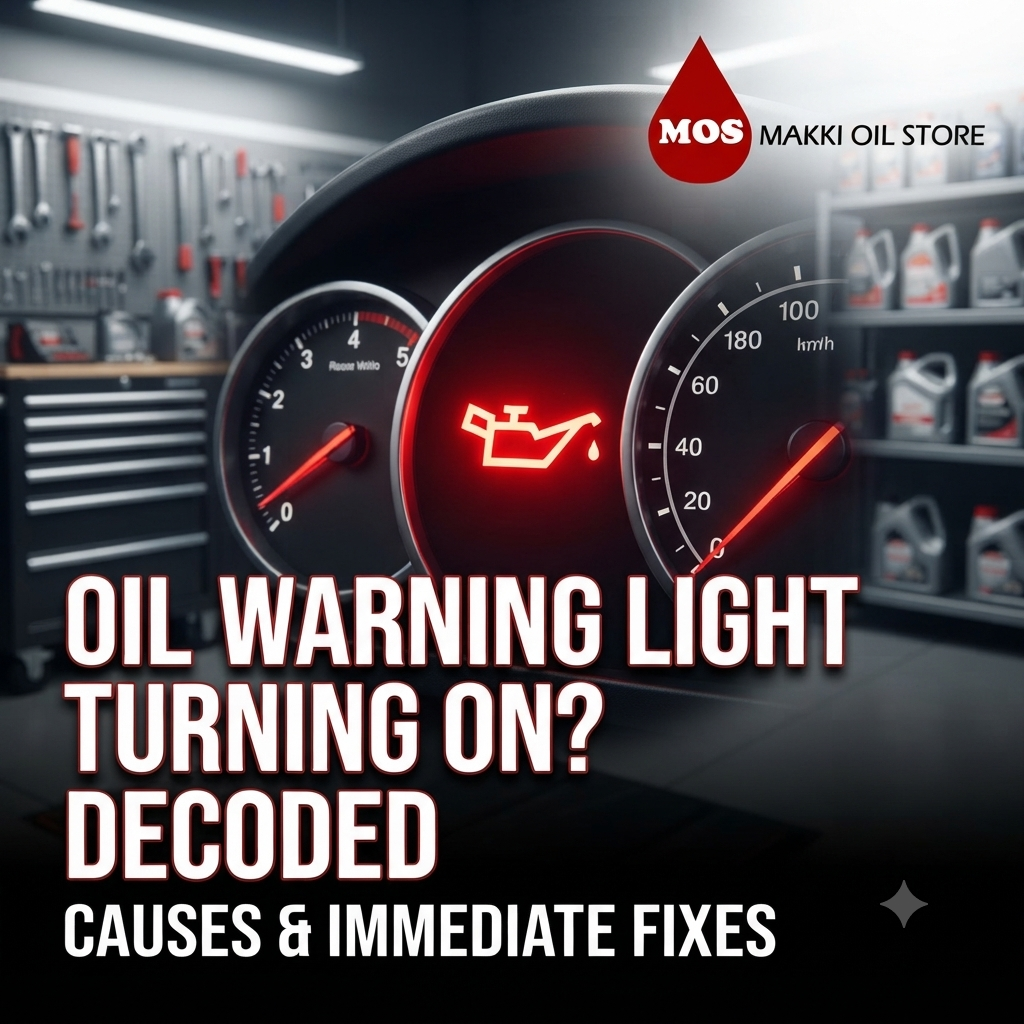
Few dashboard indicators strike fear into the hearts of motorists quite like the small, red silhouette of an oil can. When this symbol flashes or stays illuminated while you are driving, it is not merely suggesting a routine service appointment; it is sounding an urgent alarm that your engine’s lifeblood system is failing. Understanding why an oil warning light suddenly triggers requires looking past simple electronic glitches to examine critical hydraulic pressures, fluid levels, and mechanical pump operations. Ignoring this warning even for a few minutes can turn a minor maintenance oversight into a catastrophic engine failure.
Understanding the Mechanics Behind Pressure Indicators
To appreciate why this dashboard alert activates, you must understand how your vehicle monitors lubrication health. Most drivers assume the icon tracks fluid volume on the dipstick, but the warning sensor actually measures internal oil pressure. Located near the oil filter or main oil gallery, a pressure switch monitors the force pushing lubricant through the engine. When you turn the ignition key, the pump forces fluid through narrow pathways to cushion bearings, camshafts, and lifters, creating backpressure that keeps the electrical switch open and the dashboard light turned off.
If that pressure drops below safe manufacturing thresholds whether due to a pump failure, a clogged filter, or severe fluid loss the switch closes, instantly illuminating the warning indicator. Recognizing these mechanical red flags early is vital for preventing permanent internal damage, which is why monitoring performance indicators closely aligns with our guide to the signs you need an oil change in Lahore to catch degradation before catastrophic failure strikes your vehicle’s motor.
Critical Causes of Low Pressure and Sensor Triggers
When the dashboard indicator illuminates, several distinct mechanical culprits are usually responsible. The most common cause is simply a critically low fluid volume resulting from an overlooked leak or severe oil consumption. When the oil pan runs dry, the pump begins pulling in air instead of liquid, causing pressure to plummet. However, even with a full dipstick, a clogged or defective oil filter can restrict fluid flow completely, starving the engine galleries and tripping the pressure switch.
Another frequent mechanical failure involves a worn-out oil pump or excessive internal bearing clearances in high-mileage engines. As bearings wear down over years of service, microscopic gaps widen, allowing oil to escape too easily and preventing the system from building adequate pressure. Drivers must remember that components degrade over time under heavy thermal stress, making it essential to understand why do we need to changing to maintain proper molecular integrity and stable internal pressure benchmarks.
Environmental Stressors and Local Driving Realities
Operating a vehicle in demanding regional climates introduces unique environmental challenges that can directly impact your lubrication system’s stability. Driving through heavy urban traffic congestion under blistering summer temperatures causes under-hood heat to soar. This intense thermal load can thin out inferior or aged lubricants past their operating limits, reducing hydraulic pressure and causing the warning indicator to flicker during prolonged idling periods.
At the Makki Oil Store, we frequently assist motorists who encounter sudden dashboard alerts after pushing their vehicles hard through severe city traffic without adequate fluid protection. Ensuring that you use high-grade synthetic oils designed to withstand regional temperature extremes safeguards your oil pump and pressure sensors against premature thermal breakdown and false or justified warnings alike.
Safe Emergency Response Protocol
If the red oil indicator flashes or remains solidly lit while you are out on the road, you must pull over and shut off the engine immediately. Continuing to drive even a short distance without adequate oil pressure can weld moving metal parts together within minutes. Once safely parked on a level surface, allow the engine to cool slightly before pulling the dipstick to check your fluid level and inspecting the engine bay for signs of external leaks or loose filters.
If the oil level is correct and no leaks are visible, the issue likely stems from a failing oil pressure switch or an internal pump failure. In such cases, attempting to drive further is a major gamble; towing the vehicle to a professional service center for a manual pressure gauge test is the only safe course of action. Respecting this dashboard warning preserves your engine block and prevents minor sensor or pump faults from escalating into total mechanical ruin.
Frequently Asked Questions
What is the difference between an oil change reminder light and an oil pressure warning light?
An oil change reminder light is typically an amber or yellow indicator designed to track service mileage or oil life degradation based on a preset calendar or computer algorithm, simply reminding you that routine maintenance is due. In contrast, the red oil pressure warning light shaped like an oil can is an emergency indicator that tracks actual hydraulic pressure inside the engine. While you can continue driving temporarily to reach a service bay when an oil change reminder is on, seeing the red pressure light requires you to stop the engine immediately to prevent catastrophic internal damage.
Can a bad oil pressure sensor cause the warning light to turn on falsely?
Yes, a faulty or degraded oil pressure switch can indeed trigger the warning light even when your engine oil level and actual internal pressure are completely normal. Over time, these electrical switches can develop internal leaks, corrosion, or diaphragm failures that cause them to send false signals to the dashboard computer. However, because you cannot visually distinguish a bad sensor from a genuine drop in oil pressure without specialized mechanical testing, you should always treat the warning as real and check your dipstick and pressure levels immediately.
Why does my oil warning light flicker only when the car is idling?
An oil warning light that flickers or illuminates only when your vehicle is idling in traffic and then turns off when you accelerate is a classic sign of low hot idle oil pressure. As an engine ages or runs on excessively thinned oil, the oil pump spins too slowly at idle to maintain adequate pressure across worn internal clearances. Once you press the gas pedal and engine RPM increases, the pump spins faster and temporarily boosts pressure enough to turn the warning light off, but the underlying issue still requires professional inspection.
Is it safe to drive my car home if the oil pressure light comes on briefly?
Driving your car even a short distance when the oil pressure light is illuminated is extremely dangerous and can ruin your engine in seconds. The warning light indicates that your engine is operating without the necessary hydraulic cushion, meaning metal components are rubbing against each other with minimal protection. If you continue driving with zero oil pressure, you risk seizing the pistons, scoring the cylinder walls, and destroying the crankshaft bearings, leading to an entirely ruined engine block that requires complete replacement.
What immediate steps should I take if the oil warning light turns on while driving?
If the oil warning light pops on while you are driving, your immediate priority should be to safely maneuver your car to the side of the road and turn off the engine. Once the vehicle is completely shut down and has cooled for a few minutes, open the hood and pull out the dipstick to verify your fluid level on a flat surface. Look around the engine bay for any puddles, active leaks, or disconnected wires near the oil filter and pressure switch. If the oil level is critically low and you have spare fluid, top it up; otherwise, call a tow truck to transport the vehicle safely to a mechanic.