


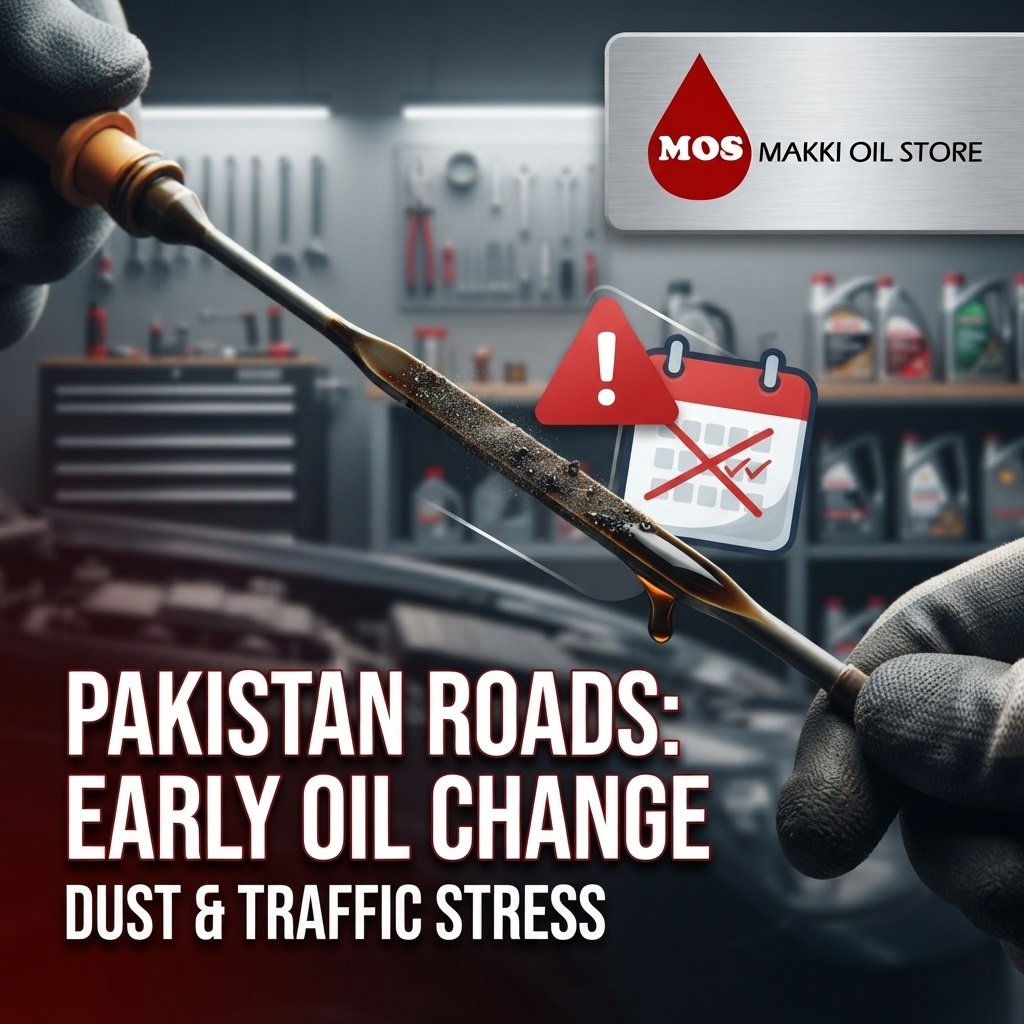
Vehicle owner manuals published by global automotive manufacturers typically outline fluid replacement intervals based on ideal laboratory environments, smooth motorways, and pristine air quality. However, operating a car or motorcycle across local infrastructure introduces harsh environmental variables that completely alter standard maintenance assumptions. From heavy urban congestion on arterial city roads to fine dust infiltration and uneven asphalt, regional driving realities demand a localized approach to managing your oil change timing to prevent premature engine wear.
The Impact of Local Infrastructure and Atmospheric Dust
Driving through bustling metropolitan centers and developing regional routes exposes engines to high volumes of particulate matter, construction dust, and road grime. Even with functional air filters, microscopic abrasive particles bypass intake barriers over time and find their way past piston rings into the crankcase. Once suspended in the fluid, these abrasive contaminants combine with carbon soot to create a grinding paste that accelerates wear on cylinder walls, bearings, and valve guides.
Furthermore, urban commuting characterized by bumper-to-bumper traffic means your odometer records very few kilometers while the engine accumulates heavy operating hours idling in the heat. To understand how specific regional environments degrade fluid performance ahead of schedule, vehicle owners can review professional guidelines covering Pakistan road conditions guide to calculate realistic service intervals based on actual operating stress.
Adapting Service Intervals to Severe Urban Environments
Because local traffic congestion and high ambient temperatures place extreme stress on internal lubrication systems, following factory mileage guidelines word-for-word often leads to neglected fluid degradation. When lubricants are subjected to continuous thermal cycling and particulate contamination, their chemical additives deplete far faster than anticipated.
To maintain optimal engine protection, drivers navigating heavy metropolitan congestion must factor in local pollution and particulate density. For a deeper look at how metropolitan commuting strains engine oil properties, motorists can examine this engine oil change guide to protect critical engine components from sludge and friction damage.
| Operating Environment | Typical Driving Condition | Contamination Risk | Recommended Service Adjustment |
| Ideal Highway Cruising | Sustained high-speed intercity travel | Minimal dust and smooth thermal load | Standard manufacturer mileage interval |
| Mixed Suburban Commuting | Moderate speeds with occasional stops | Low to moderate particulate exposure | Slightly shortened mileage threshold |
| Dense Urban Traffic | Heavy idling, stop-and-go, severe dust | High soot, fuel dilution, and abrasive dust | Reduce replacement interval by 30 to 40 percent |
Proactive Maintenance Strategies for Local Drivers
Protecting your engine against the unique challenges of local road conditions requires shifting from reactive mileage targets to condition-based maintenance. Regularly inspecting the dipstick allows you to monitor fluid color, viscosity changes, and particulate accumulation between scheduled service stops.
At the Makki Oil Store, our expert technicians evaluate local contamination levels, test fluid integrity, and help vehicle owners establish customized service intervals engineered to withstand the demanding realities of Pakistani roads.
Frequently Asked Questions
Why do Pakistani road conditions require earlier oil changes than factory recommendations?
Factory recommendations are typically based on clean air and smooth highway driving in temperate climates. Pakistani roads feature heavy airborne dust, extreme summer temperatures, and dense urban traffic congestion that accelerate additive depletion, fluid oxidation, and particulate contamination, forcing oils to degrade much faster.
How does airborne dust affect engine oil condition?
Airborne dust particles that bypass intake filters eventually settle into the engine oil. Once suspended in the lubricant, these abrasive particles act like liquid sandpaper, accelerating wear on internal metal components such as bearings, piston rings, and camshaft lobes.
Does heavy city idling count toward my engine oil lifespan?
Yes, heavy city idling accumulates engine operating hours and thermal stress while your car’s odometer remains static. This means your oil breaks down chemically from heat and combustion byproducts long before you reach the recommended mileage milestone.
How can I tell if my oil needs changing due to severe driving conditions?
Signs that your oil is past its prime include a dark, opaque color on the dipstick, a distinct burnt smell, increased engine noise or tappet ticking during startup, and a noticeable drop in fuel economy during daily commutes.
Is synthetic oil more resistant to severe local driving conditions?
Fully synthetic engine oils possess superior molecular stability and stronger resistance to thermal breakdown, oxidation, and contamination compared to conventional mineral oils, making them the safest and most durable choice for challenging local driving environments.