Your car’s engine is a precise assembly of metal components designed to operate within specific clearances. When you select the right engine oil grade, you are not just picking a brand; you are choosing the specific viscosity required to protect these internal parts. Using the incorrect grade can lead to increased friction, poor fuel economy, and in extreme cases, internal mechanical damage that compromises your engine’s longevity.
Understanding Viscosity and Its Role
The “grade” of engine oil refers to its viscosity, or its thickness and resistance to flow. You will often see labels like 5W-30 or 10W-40, which indicate how the oil performs at different temperatures. The first number followed by a “W” stands for “winter,” representing the oil’s flow at cold startup temperatures. The second number represents the oil’s thickness at operating temperatures.
Modern engines are built with very tight tolerances. They require oil that is thin enough to circulate rapidly during a cold start when most wear occurs but thick enough to provide a stable, protective film when the engine reaches its peak operating heat. If you are debating which viscosity is suitable for your daily drive, it is helpful to look at a guide comparing common viscosities like 5W-30 or 10W-40 to understand which one aligns with your manufacturer’s requirements.
The Consequences of Using the Wrong Grade
Choosing the wrong oil grade can create immediate and long-term issues. For example, if you use an oil that is too thick, it may not reach critical parts of the engine quickly enough during a cold start, leading to increased metal-on-metal wear. Conversely, using an oil that is too thin might mean it cannot maintain a strong enough film under the high temperatures and pressures of our local climate, leading to engine overheating or accelerated wear on bearings.
At the Makki Oil Store, we consistently see vehicles suffering from issues caused by incorrect oil choices. Our goal is to ensure that your car is serviced with the exact specification intended by the engineers who designed your engine, ensuring that your vehicle performs reliably whether you are in stop-and-go city traffic or on long highway journeys.
Frequently Asked Questions
What happens if I use an oil grade that is too thin for my engine?
Using an oil that is thinner than what the manufacturer recommends can lead to insufficient lubrication under high-load and high-temperature conditions. Because the oil film is not thick enough to separate metal components, you may experience increased wear on bearings, piston rings, and cylinder walls. Over time, this leads to a loss of engine compression, increased oil consumption, and potential mechanical failure, which is why it is critical to stick to the manufacturer’s specified viscosity requirements.
Why do manufacturers recommend different oil grades for different climates?
Manufacturers test engines in various environmental conditions to determine the best viscosity for lubrication efficiency. In colder climates, a thinner oil is required to flow quickly at start-up, while in hot regions, a slightly thicker oil might be necessary to maintain a stable protective film under extreme heat. In Pakistan, where summers are particularly intense, following the manufacturer’s heat-specific recommendations is vital to prevent thermal breakdown of the lubricant and keep your engine running smoothly.
Can using the wrong oil grade cause my engine to make noise?
Yes, it can. An incorrect oil grade may prevent the oil from reaching the upper components of your engine quickly during startup, leading to increased ticking or tapping sounds from the valve train. Additionally, if the oil is not providing adequate lubrication for the hydraulic lifters or tensioners, you may notice abnormal engine noise during operation. These sounds are a clear sign that your internal components are not being properly protected, and you should change to the correct grade immediately.
Does the oil grade affect my car’s warranty?
Using an engine oil grade that is not specified in your owner’s manual can potentially void your warranty if a mechanical failure occurs. Manufacturers define the required oil grade based on the engine’s internal tolerances and the testing they have performed. If you deviate from these specifications and experience a failure related to lubrication, the manufacturer may deny your warranty claim, leaving you responsible for the full cost of repairs, which is a significant risk that can be easily avoided by following the manual.
How often should I check if my oil grade is still appropriate?
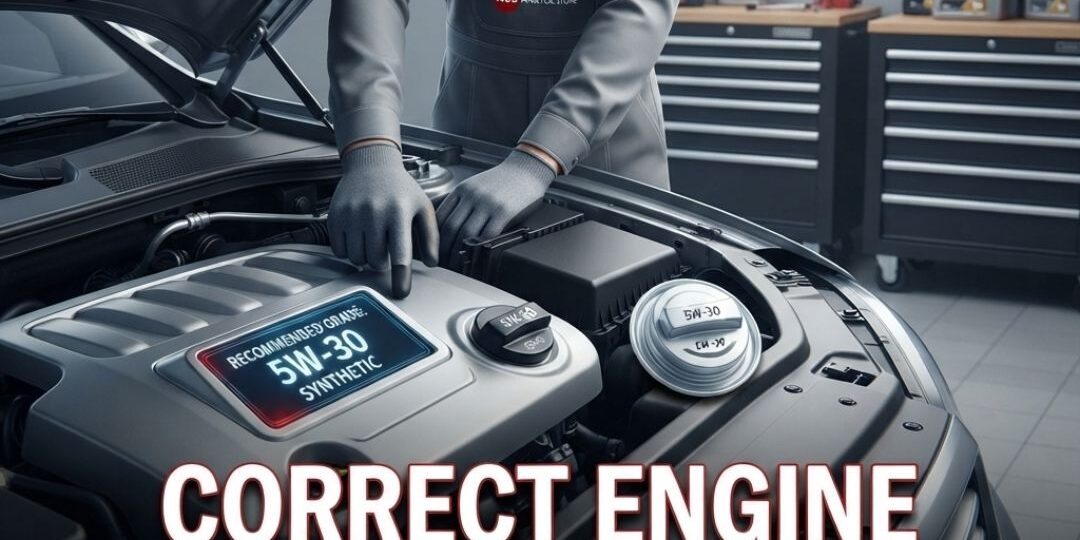
You should always adhere to the grade specified in your vehicle’s owner’s manual for the entire lifespan of the car. Unless the engine has undergone a major modification, there is no need to switch grades based on age. If you are unsure about what your car requires, you can check the reservoir cap under the hood or the service information provided by your vehicle manufacturer. Maintaining the correct grade throughout the life of the engine is the best way to ensure consistent performance and maximum longevity.