

When the crimson oil-can icon illuminates your dashboard instrument cluster while navigating busy city avenues, it signals an immediate mechanical emergency. The hydraulic force circulating through your engine block is what keeps fast-moving metal components separated by a microscopic fluid cushion. Maintaining stable engine oil pressure is vital for preventing catastrophic friction, bearing seizure, and costly internal engine damage. Understanding the root mechanical causes behind a sudden drop in hydraulic force helps drivers diagnose issues before they result in total engine failure.
The Mechanical Mechanics Behind Hydraulic Force Generation
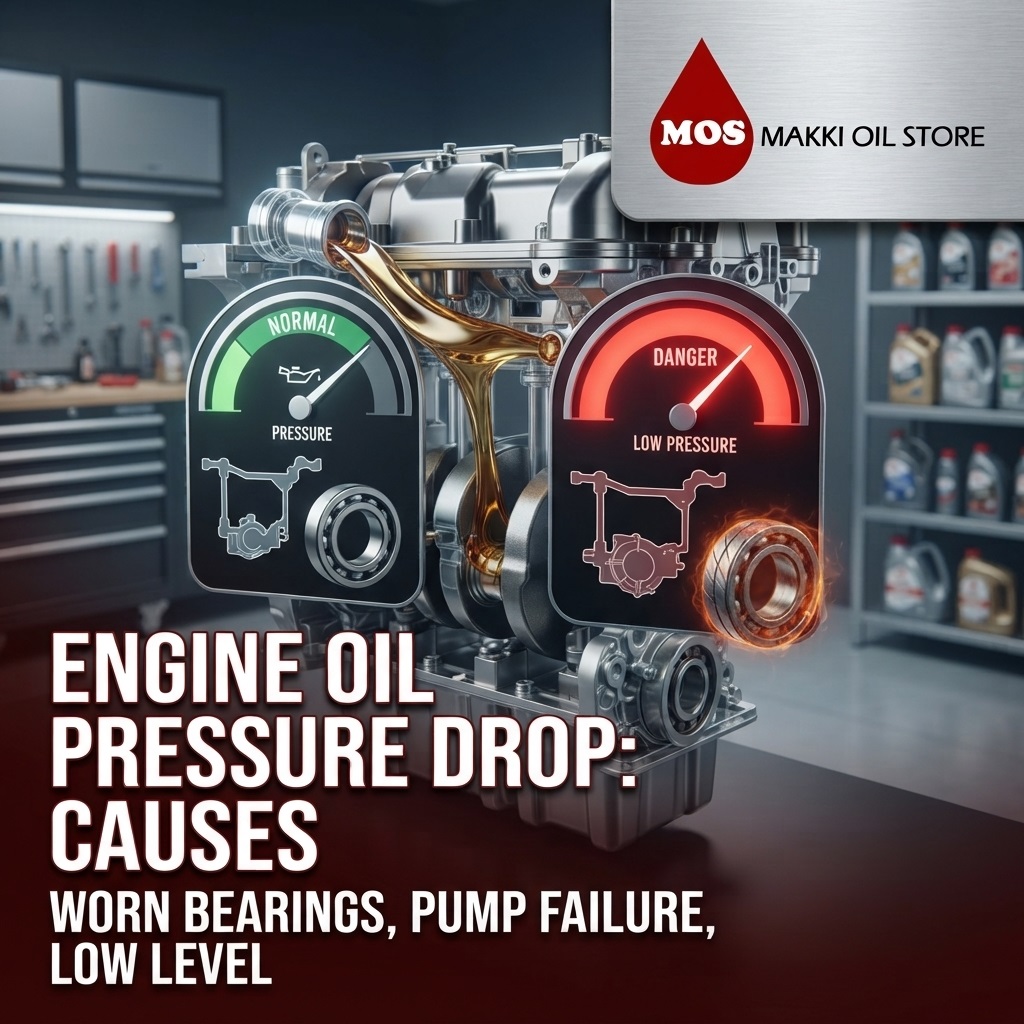
Inside every internal combustion engine, a mechanical oil pump driven by the crankshaft draws lubricant from the oil pan and forces it under high pressure through narrow galleries, main bearings, camshaft journals, and valve lifters. This pressure is not merely a measure of volume; it is the physical resistance created as the pump pushes viscous fluid through tightly toleranced mechanical clearances.
When fluid ages, shears down, or becomes contaminated with fuel and soot, its molecular structure weakens, causing internal resistance to drop. To explore how neglected lubricants lose their structural integrity and fail to maintain proper hydraulic parameters over extended operating cycles, vehicle owners can review technical breakdowns on what happens inside an engine to understand internal chemical breakdown.
Primary Causes of Sudden Pressure Loss
A drop in hydraulic force can stem from several distinct mechanical failures ranging from simple fluid neglect to failing internal components. Identifying these triggers requires examining how different systems interact within the crankcase.
- Extremely Low Fluid Levels: When total oil volume drops below safe operating thresholds due to leaks or consumption, the pump draws in air instead of liquid, causing immediate pressure collapse.
- Worn Engine Bearings: As engines accumulate high mileage, clearances between the crankshaft and main bearings widen, allowing pressurized oil to escape too quickly and dropping overall system pressure.
- Clogged Oil Pickup Screen: Sludge and debris accumulation can block the oil pan pickup screen, starving the pump of fluid supply.
- Failing Oil Pump: Mechanical wear inside the oil pump gears or housing reduces its capacity to generate high-pressure flow.
When dashboard warning indicators flash unexpectedly during your daily commute, ignoring the signal can destroy an engine within minutes. Motorists troubleshooting these sudden dashboard warnings can examine professional diagnostic procedures covering why oil warning light turning on to pinpoint sensor failures versus actual mechanical pressure loss.
| Potential Cause | Common Symptom | Immediate Risk Level | Recommended Action |
| Low Oil Level | Flickering light during sharp turns | High | Top up immediately and check for leaks |
| Worn Bearings | Low pressure reading at warm idle | Severe | Professional engine inspection |
| Clogged Filter / Screen | Low pressure under acceleration | High | Replace oil filter and clean pickup tube |
| Faulty Pressure Switch | Warning light on with correct dipstick level | Moderate | Test sensor voltage and replace switch |
Diagnostic Steps and Preventive Maintenance
Addressing a drop in hydraulic pressure requires a systematic diagnostic approach starting with manual fluid checks using the dipstick. If the dipstick confirms adequate fluid volume, mechanics typically attach a mechanical pressure gauge to the engine block port to verify whether the dashboard sensor is malfunctioning or if internal pressure is genuinely low. Switching to high-quality synthetic lubricants and maintaining strict replacement intervals ensures the fluid retains its viscosity under extreme thermal duress.
At the Makki Oil Store, our expert technicians utilize professional pressure testing equipment and diagnostic tools to identify the exact cause of lubrication failure, ensuring your engine operates safely and reliably under all driving conditions.
Frequently Asked Questions
What does a sudden drop in engine oil pressure mean?
A sudden drop in engine oil pressure means the hydraulic force pushing lubricant through your engine has fallen below safe operating limits, which can be caused by low oil levels, a failing oil pump, worn internal bearings, or a clogged oil filter.
Can low engine oil pressure destroy my car engine?
Yes, running an engine with critically low oil pressure eliminates the protective fluid film between moving metal parts, leading to rapid friction, metal-to-metal contact, warped cylinder heads, and total engine seizure within minutes.
Why does my oil pressure drop only when idling?
Oil pressure naturally drops when the engine idles because the oil pump rotates more slowly. If the pressure drops low enough to trigger a warning light, it usually indicates that the oil has thinned out excessively from heat or that internal engine bearings are worn and leaking pressure.
How can I tell if my oil pressure warning light is a false alarm?
If your oil level is correct on the dipstick and the engine runs smoothly without abnormal ticking or knocking noises, the warning light might be caused by a faulty oil pressure switch or a damaged electrical wiring harness, which can be verified using a mechanical pressure test gauge.
Does using the wrong oil viscosity affect oil pressure?
Yes, using an oil viscosity that is too thin for your engine specifications or operating climate can prevent the system from building adequate pressure when the engine reaches high operating temperatures.