


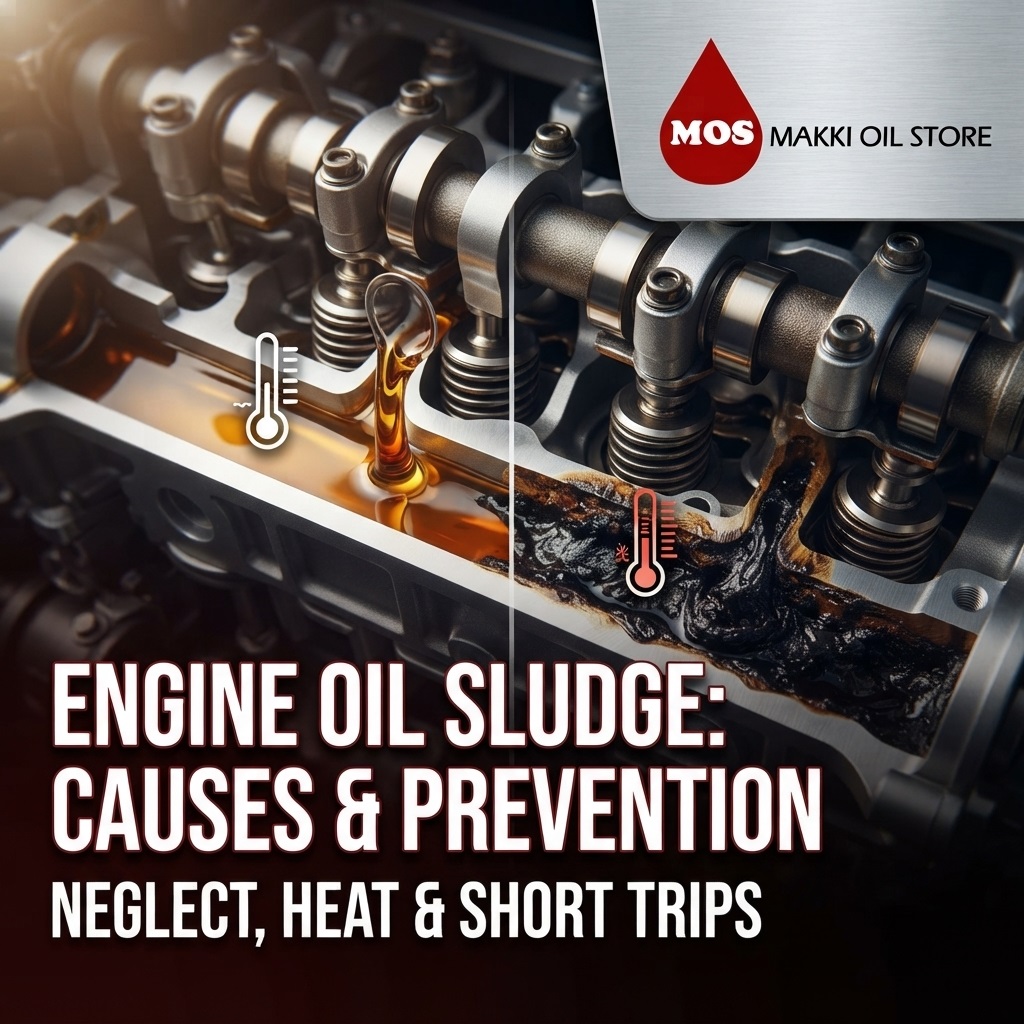
Inside the intricate labyrinths of an internal combustion engine, circulating fluid is the literal lifeblood keeping mechanical friction at bay. When maintenance schedules are neglected or operating environments push lubricants beyond their thermal limits, this healthy fluid can transform into a thick, tar-like gel. The accumulation of engine oil sludge chokes narrow oil supply channels, starves critical bearings of lubrication, and frequently leads to catastrophic engine failure if left unchecked. Understanding the underlying chemical and environmental triggers of gel formation is essential for preserving vehicle longevity.
The Chemical Origins of Gel and Varnish Accumulation
Motor oil consists of base stocks blended with complex chemical additives designed to combat oxidation, neutralize acids, and suspend soot particles. Over thousands of kilometers of operation, continuous exposure to high combustion temperatures breaks down these molecular bonds. When oxygen molecules react with degraded hydrocarbons, an oxidation process occurs that darkens the fluid and creates insoluble resins.
As these sticky resins bake onto hot internal components like valve covers and turbocharger housings, they bind with airborne dust, unburned fuel, and carbon blow-by. To explore how neglected lubricants undergo severe chemical degradation and lose their protective additive packages over time, vehicle owners can review technical insights on what happens inside an engine when oil gets old to understand internal fluid breakdown.
Primary Factors Triggering Severe Sludge Formation
Sludge rarely forms overnight; it is the cumulative result of specific mechanical stressors and poor maintenance habits. Recognizing these primary triggers helps drivers correct bad habits before gel clogs the oil pickup screen.
- Prolonged Fluid Intervals: Pushing lubricant change milestones far beyond manufacturer limits exhausts detergent additives, allowing suspended contaminants to solidify into thick deposits.
- Severe Short-Trip Driving: Operating a vehicle exclusively for short commutes prevents the engine from reaching proper operating temperatures, trapping moisture and fuel condensation in the crankcase.
- Low-Quality Lubricants: Using uncertified or low-grade mineral oils that lack thermal stability accelerates varnish precipitation under regional summer heat.
When motorists procrastinate on routine maintenance, the accumulation of contaminants accelerates rapidly. Drivers evaluating the true mechanical cost of procrastination can examine professional service guides detailing what happens if you delay an oil change to understand how neglected fluids build up heavy internal deposits.
| Sludge Severity | Visual Appearance | Impact on Engine | Corrective Action Required |
| Light Varnish | Amber to brown film on parts | Minimal immediate performance loss | Standard oil and filter replacement |
| Moderate Sludge | Dark, jelly-like coating on valve train | Reduced oil flow and sluggish lifters | Engine flush and shortened change interval |
| Severe Contamination | Solidified black tar blocking galleries | Oil starvation, knocking, and seizure | Professional mechanical teardown and cleaning |
Effective Prevention and Remediation Strategies
Preventing gel buildup requires a proactive maintenance routine built around high-stability synthetic lubricants and strict adherence to replacement intervals tailored to local driving conditions. If sludge has already begun forming, professional engine flush treatments and frequent filter swaps can gradually clean contaminated surfaces without damaging internal seals.
At the Makki Oil Store, our expert technicians evaluate fluid contamination levels, inspect internal components, and recommend premium synthetic oils engineered to resist thermal breakdown and keep your engine clean under demanding driving conditions.
Frequently Asked Questions
What exactly is engine oil sludge?
Engine oil sludge is a thick, gel-like, or tar-like deposit formed when degraded motor oil mixes with unburned fuel, moisture, carbon soot, and airborne dust. This sticky mass accumulates on internal engine surfaces and blocks vital oil passages.
Can short-trip driving cause engine oil sludge?
Yes, short-trip driving prevents the engine and oil from reaching their normal operating temperatures. This traps moisture and unburned fuel condensation inside the crankcase, which reacts with oil additives to accelerate sludge formation.
How can I remove existing sludge from my car engine?
Mild sludge can sometimes be cleared using specialized engine flush additives followed immediately by an oil and filter change. However, severe sludge buildup requires professional mechanical cleaning or a manual teardown to prevent loose debris from blocking the oil pickup screen.
Does synthetic oil resist sludge formation better than conventional oil?
Fully synthetic engine oils possess superior thermal stability and stronger resistance to oxidation compared to conventional mineral oils, making them far more effective at preventing sludge formation under high-temperature driving conditions.
What are the warning signs of engine sludge in a car?
Warning signs include the oil pressure warning light flickering or staying on, a noticeable ticking noise from the valvetrain due to sticky lifters, increased engine operating temperatures, and dark, thick residue visible under the oil filler cap.