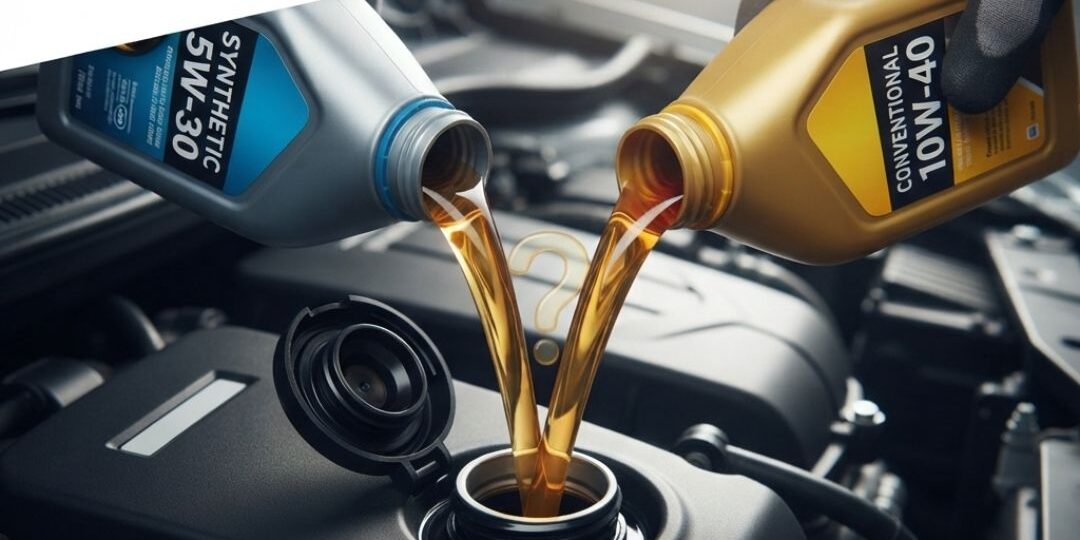
Every driver has faced that moment of anxiety: your dashboard oil light flickers on while you are in the middle of nowhere, or you check your dipstick in a parking lot only to find the level dangerously low. You have a bottle of oil in the trunk, but it is not the same brand or even the same viscosity as what is currently in the engine. Can you mix them? The short answer is yes, in a genuine emergency, it is almost always better to mix two different oils than to drive with an empty crankcase. However, there are nuances you need to understand to protect your engine’s long-term health.
The Chemistry of Compatibility
Modern engine oils are complex mixtures of base stocks and performance-enhancing additives. Generally, all reputable motor oils are designed to be miscible, meaning they will blend together without forming a solid mass or harmful chemical reaction. Whether you are using synthetic, semi-synthetic, or mineral-based lubricants, they share a common purpose.
However, blending two different types of oil, for instance, mixing a high-performance synthetic with a conventional mineral oil, will inevitably pull the performance of the mixture down to the level of the lower-quality oil. You are not necessarily hurting the engine, but you are compromising the specific protective benefits you were paying for by using the better product. To maintain the best performance, you should familiarize yourself with what kind of oil is used in car engines based on your manufacturer’s specific requirements so that you can stock the correct type for emergencies.
When Mixing Is Not Recommended
While mixing in an emergency is acceptable to get you to the next service station, it should never become a permanent maintenance strategy. If you mix a low-viscosity oil with a much thicker one, you alter the overall viscosity of the lubricant. This can lead to issues with cold starts or inadequate oil pressure under high-temperature conditions.
Furthermore, if your vehicle requires a specific, specialized oil such as those required for high-performance turbocharged engines or specific diesel configurations, you should be much more cautious. In these engines, the additive packages are very carefully balanced, and introducing a different fluid could potentially affect the performance of components like variable valve timing systems or particulate filters.
Safety First: Road Emergencies and Compliance
While you are managing your engine’s health, do not forget the safety of your passengers. In Pakistan, the law now mandates that all vehicles on motorways and national highways carry a functional, non-expired fire extinguisher. This is a vital tool to suppress small fires caused by electrical issues or fluid leaks. At the Makki Oil Store, we prioritize your total vehicle safety. We currently provide essential, high-quality automotive fire extinguishers for just PKR 2,000. It is a small investment for a significant increase in safety during your travels.
Frequently Asked Questions
Is it safe to drive long distances on a mixed oil blend?
If you have performed an emergency top-up with a different oil, treat it as a temporary solution. While the engine will run fine for a short period, you should plan to visit a service center to have your oil completely drained and replaced with the correct, uniform grade as soon as possible. Driving for thousands of kilometers on a mixed blend is not recommended, as you cannot be certain of how the different additive packages will interact over a long timeframe.
Will mixing oils void my manufacturer’s warranty?
Technically, using the wrong oil can jeopardize your warranty if a failure is directly linked to incorrect lubrication. However, in an emergency where the alternative is running the engine with zero oil, it is almost always the correct choice to perform a top-up to prevent catastrophic failure. To protect yourself, keep records of your service history, and as soon as you are home, get a proper oil change using the manufacturer-specified oil.
Can I mix synthetic and conventional motor oils?
Yes, it is physically possible to mix them without the engine “seizing” or the oils separating. All modern oils are designed to be compatible. However, you should realize that you are effectively diluting the benefits of your expensive synthetic oil. Once you mix them, you lose the extended-drain-interval capability of the synthetic, so you should shorten the time until your next full oil change.
How do I know if I have mixed incompatible oils?
If you have mixed two different brands of standard motor oil, you generally won’t see any immediate symptoms. The “danger” is not a chemical reaction, but rather the dilution of the intended viscosity and performance characteristics. However, if you see the oil turning into a thick, milky, or foamy substance on the dipstick after mixing, that is a sign of a more serious issue, such as a coolant leak or a head gasket failure, and you should seek professional mechanical help immediately.
Why do some manuals warn against mixing?
Manuals often provide conservative advice to ensure you maintain the highest possible performance and longevity. They want you to use the specific viscosity and additive package that was tested during the engine’s development. By warning against mixing, they are trying to steer you away from potentially using an oil that is too thin or too thick, which could impact engine efficiency or safety systems like variable valve timing.