


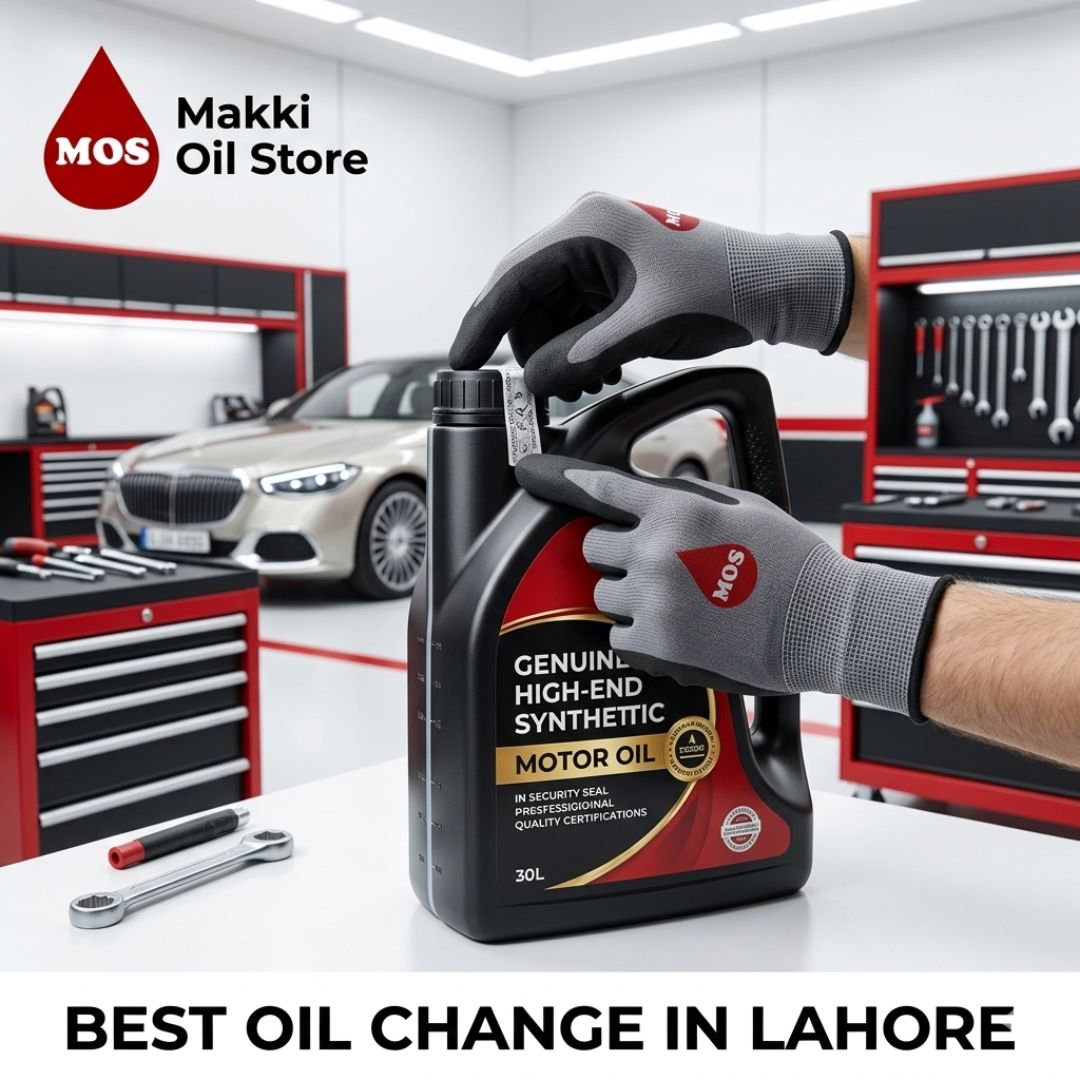
Driving through the bustling streets of Lahore, from the heavy traffic of Jail Road to the open stretches of the Ring Road, puts a unique strain on your vehicle’s engine. The constant idling in heat and the frequent stop-and-go patterns mean that engine oil degrades faster than the manufacturer’s general guidelines might suggest. For most car owners, finding the best oil change in Lahore is not just about a quick maintenance task; it is about finding a partner who understands the specific demands of local driving conditions and ensures your engine stays protected for the long haul.
Choosing where to service your vehicle can feel overwhelming given the sheer number of workshops across the city. However, prioritizing quality service over mere convenience can be the difference between a car that runs reliably for years and one that suffers from premature mechanical issues.
Evaluating Technical Expertise and Oil Quality
The foundation of a reliable oil change is the quality of the products being used. Many workshops offer generic, unbranded, or even substandard oil that fails to meet the viscosity and additive requirements of modern engines. When you are looking for the best oil change in Lahore, you must verify that the service provider uses genuine, high-quality lubricants specifically formulated for your vehicle’s make and model. Authentic synthetic oils, in particular, provide superior protection against thermal breakdown, which is essential given the high summer temperatures often experienced in Punjab.
Technical expertise goes hand-in-hand with product quality. A technician should do more than just drain and fill; they should be able to inspect the oil filter, check for leaks, and alert you to other impending maintenance needs. At the Makki Oil Store, we emphasize that a proper oil change involves a systematic inspection process that looks at the overall condition of the engine’s lubrication system, ensuring that nothing is overlooked during the service visit.
Transparency and the Importance of Documentation
Trust in the automotive service industry is built on transparency. You should always feel comfortable asking questions about the oil grade being used and seeing the packaging before it is poured into your engine. Reputable service centers will maintain detailed records of your vehicle’s maintenance history, which is vital for your car’s resale value and long-term mechanical health.
If a workshop is unwilling to show you the products they are using or fails to provide an itemized receipt including the specific oil type and filter used, you might want to reconsider your options. When you manage your maintenance through a trusted source, you can learn how to ensure optimal engine health with the best oil change in Lahore, giving you peace of mind that your vehicle is being handled with the precision it deserves.
Considering the Full Service Experience
While the oil change itself is the primary goal, the surrounding service experience matters. Efficiency is key in a city as busy as Lahore. You should look for facilities that respect your time by offering structured appointments or quick turnaround times without compromising on the thoroughness of the work.
A clean workspace often reflects a professional approach. If a shop is organized, clean, and equipped with the right tools such as professional-grade drainage systems and torque wrenches, it is a strong indicator of their commitment to quality. Avoiding the “shortcut” culture, where technicians might over-tighten drain plugs or fail to properly seat the new filter, is crucial for preventing future leaks and engine damage.
Frequently Asked Questions
Why is it important to use a specific oil grade for Lahore’s climate?
Lahore’s climate involves extreme temperature fluctuations, ranging from intense summer heat to chilly winter mornings. Using the correct viscosity, such as 5W-30 or 0W-20, as recommended by your manufacturer is crucial because these oils maintain their stability and protective properties across these temperature swings. Using the wrong grade can lead to improper lubrication, causing the engine to struggle during cold starts or fail to protect against heat-induced breakdown, eventually resulting in increased engine wear and poor fuel economy over time.
How do I know if a workshop is using genuine engine oil?
To ensure the oil is genuine, always observe the packaging. Authentic oil containers from reputable brands will have tamper-evident seals that are intact. Furthermore, check for clear, high-quality printing on the labels, and verify the batch codes or holograms if the manufacturer provides them. It is also wise to purchase your oil directly from authorized retailers or dedicated establishments like Makki Oil Store, where the supply chain is transparent and the products are sourced directly from trusted distributors.
How often should I actually change my oil in local driving conditions?
While many manuals suggest long intervals, the harsh driving conditions in Lahore, such as heavy traffic, dust, and high temperatures, often qualify as “severe driving” conditions. This means oil degrades faster than it would in ideal, highway-only driving. Most experts recommend changing your oil every 5,000 to 7,000 kilometers for conventional oil or 8,000 to 10,000 kilometers for high-quality synthetic oil, depending on your vehicle age and engine type, to maintain peak performance and avoid sludge buildup.
Does the oil filter quality matter as much as the oil itself?
The oil filter is just as critical as the oil because its job is to trap contaminants, metal shavings, and sludge that circulate through the engine. A low-quality filter may have poor filtration media or a faulty bypass valve, which can cause unfiltered oil to flow through the engine or even collapse under pressure. Always use an original equipment manufacturer (OEM) or a high-quality aftermarket filter that meets your car’s exact specifications to ensure your engine remains clean and fully protected between services.
What are the signs that a service center is not performing a quality job?
Red flags include technicians working in an unorganized or dirty environment, a lack of transparency regarding the brands of oil and filters being used, and shops that perform the job in an excessively rushed manner without checking other fluid levels. If a technician uses an impact wrench to tighten the drain plug or fails to replace the crush washer on the oil pan, these are clear signs of poor workmanship. A professional will always take the time to hand-tighten bolts and verify that there are no leaks before returning your car.