

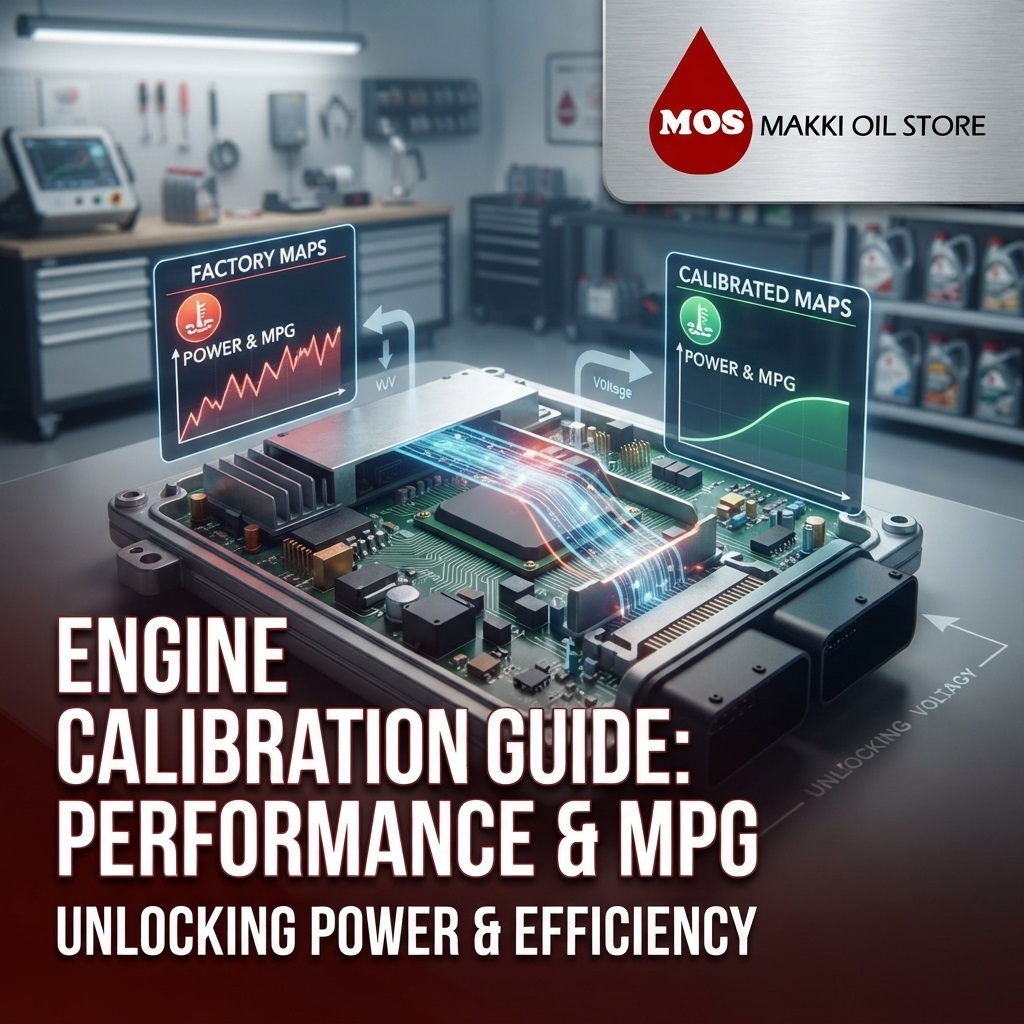
Modern vehicles are essentially rolling computer networks. Dozens of dedicated microprocessors, commonly called Electronic Control Units, monitor and adjust every aspect of combustion, transmission shifting, and emissions control thousands of times per minute. When manufacturers design a vehicle, they program factory software maps to balance fuel economy, strict global emissions standards, and variable fuel qualities. However, over years of driving or after modifying hardware components, these factory maps may no longer deliver optimal results. Professional engine calibration fine-tunes these digital parameters, unlocking hidden efficiency, smoothing out power delivery, and ensuring your car adapts perfectly to local driving realities.
The Role of Electronic Control Units in Modern Powertrains
The powertrain control module serves as the brain of your car, taking real-time data from sensors measuring oxygen levels, intake air temperature, throttle position, and crankshaft rotation. Using this incoming data, the computer calculates the precise moment to fire the spark plugs and how long to hold open the fuel injectors.
When physical components wear out or when regional fuels introduce different combustion properties, the factory software can struggle to maintain peak efficiency. Ensuring your physical sensors and filtration systems remain clean is the first step toward successful software tuning; car owners can look into local hardware upkeep by visiting how we can find the best air filter shop in Lahore to protect clean airflow into the intake manifold before software adjustments are made.
How Tuning Optimizes Fuel Delivery and Ignition Timing
Software calibration alters specific tables within the engine computer memory to optimize volumetric efficiency. By refining ignition advance curves and air-fuel ratios, technicians can eliminate flat spots in the power band and recover lost horsepower.
- Ignition Advance Adjustment: Timing the spark precisely relative to piston position ensures maximum cylinder pressure is applied at the optimal crankshaft angle.
- Fuel Scaling Optimization: Calibrating pulse widths ensures that fuel is delivered smoothly across all RPM ranges without wasting unburned hydrocarbons.
- Throttle Map Responsiveness: Adjusting electronic throttle sensitivity reduces pedal lag during tip-in, giving the vehicle a crisper, more eager acceleration feel.
To achieve complete combustion harmony, software adjustments are often paired with physical maintenance such as an injector cleaning service how it improves fuel efficiency and engine performance to ensure mechanical fuel delivery matches the newly optimized computer instructions.
| Calibration Parameter | Factory Default Focus | Performance Tuning Focus | Resulting Benefit |
| Ignition Timing | Safe, emission-compliant margins | Optimized for local fuel octane | Improved throttle snap and torque |
| Air-Fuel Ratio | Strict stoichiometric limits | Clean and efficient power balance | Better fuel economy on highways |
| Idle Target | Low vibration and quiet emissions | Stable recovery under heavy electrical load | Smoother idle in bumper-to-bumper traffic |
Adapting Software Maps to Regional Driving Demands
Operating a vehicle through congested city streets and high ambient temperatures creates unique thermal and load conditions that standard factory software may not fully account for. Factory tunes are often conservative, built to handle low-quality fuels and extreme neglect across global export markets. Professional software mapping helps tailor the vehicle response to regional fuel octanes and everyday commuting habits, reducing engine knocking and improving thermal management.
At the Makki Oil Store, our expert technicians combine comprehensive diagnostic testing with professional tuning support, ensuring your vehicle delivers dependable performance and optimal efficiency across every journey.
Frequently Asked Questions
What is engine calibration?
Engine calibration is the process of adjusting the software parameters, fuel maps, and ignition timing stored inside a vehicle’s electronic control unit to optimize performance, fuel economy, and drivability.
Does engine calibration void my factory warranty?
Altering factory software can impact manufacturer warranty coverage depending on local dealership policies and the specific type of tune installed. It is always best to consult with your service provider before making software modifications.
Can tuning improve my car fuel economy?
Yes, optimizing ignition timing and air-fuel ratios can improve volumetric efficiency, allowing the engine to extract more energy from every drop of fuel during cruising conditions.
How long does an engine calibration procedure take?
Depending on whether the technician is performing a simple sensor re-flash, idle calibration, or a custom dyno tune, the process typically takes anywhere from one to three hours.
Is engine calibration safe for daily commuter cars?
When performed by experienced professionals using safe, conservative parameters that respect mechanical safety margins, calibration is completely safe and enhances the reliability and responsiveness of daily drivers.