


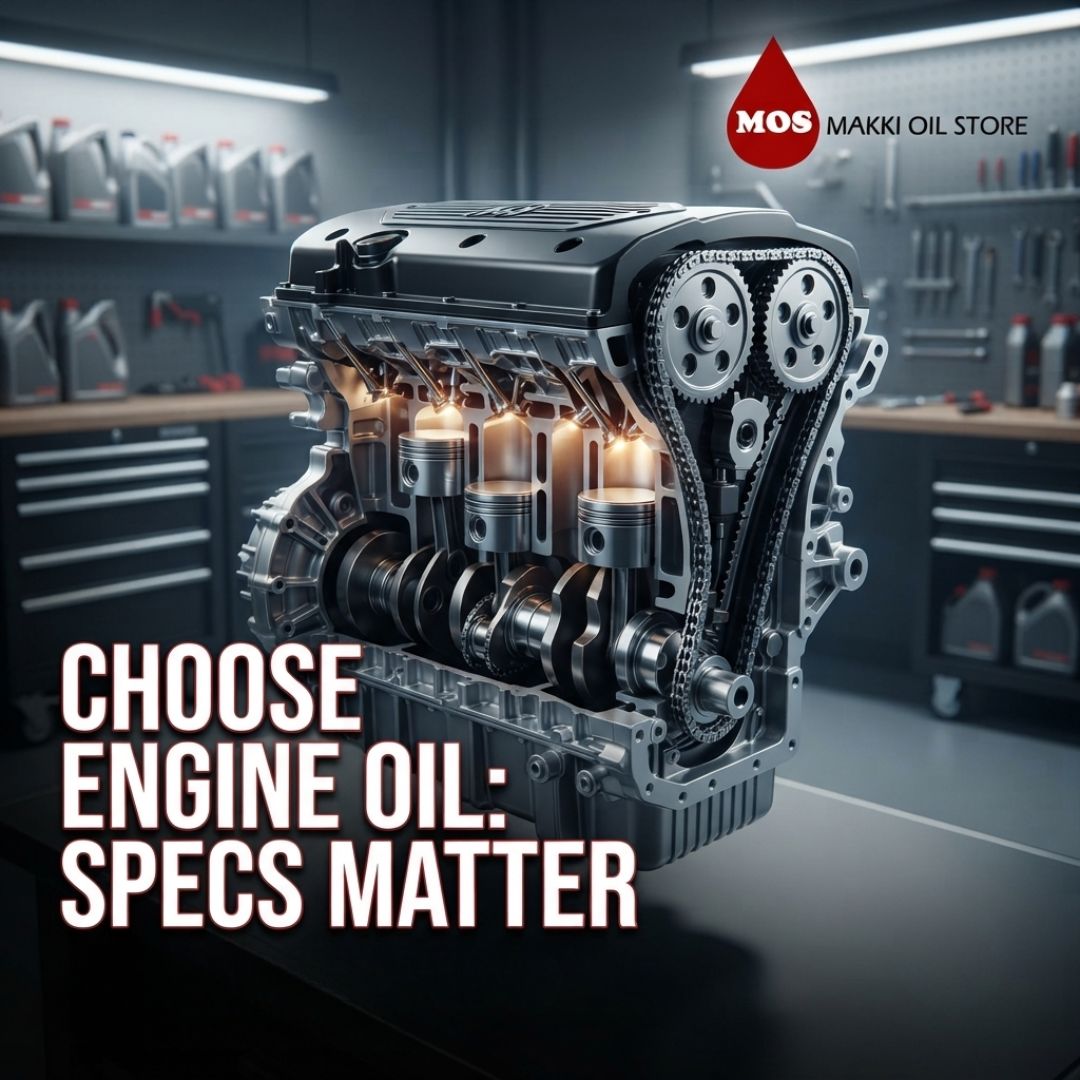
Navigating the automotive lubricant market can often feel overwhelming for vehicle owners. With countless options lining retail shelves, selecting the right fluid for your car is one of the most consequential maintenance decisions you will ever make. When choosing engine oil, many drivers rely solely on brand familiarity or historical habits, ignoring the specific chemical and physical properties required by their vehicle’s engineering. Understanding what goes on beneath your car’s hood helps you move past marketing claims and make an informed choice that ensures long-term engine health.
Navigating Specifications Over Marketing
Every modern engine is built with precise engineering tolerances, demanding a lubricant that matches its specific thermal and mechanical design. The primary details to look for are not the bold brand names on the front label, but the performance standards and viscosity grades listed on the back. Whether your engine requires a thin synthetic oil for tight internal clearances or a robust formulation to manage heavy loads, matching these technical specifications is what truly safeguards your investment.
To ensure you are matching your vehicle’s exact engineering blueprint rather than guessing, it is helpful to learn how to choose the right Makki engine oil for your car based on manufacturer standards. Taking this structured approach prevents common issues like premature wear, sluggish throttle response, and excessive fuel consumption caused by mismatched fluid properties.
The Makki Oil Store Standard of Reliability
At the Makki Oil Store, we frequently emphasize that preventive maintenance is far more cost-effective than major engine repairs. Local driving conditions ranging from intense summer heatwaves to heavy urban congestion and airborne road dust place unique stress on your vehicle’s lubrication system. By prioritizing high-grade formulations and adhering strictly to recommended service intervals, you protect your engine internals from sludge buildup, heat-induced thinning, and loss of oil pressure over time.
Frequently Asked Questions
Why is it dangerous to ignore my vehicle manufacturer’s oil recommendations?
Ignoring your vehicle manufacturer’s oil recommendations can lead to accelerated wear and potential internal damage. Manufacturers spend thousands of hours testing engines to determine the exact viscosity and additive packages needed to maintain proper hydraulic pressure and film strength. If you use an oil that is too thick or too thin, it may fail to reach critical components during startup or break down under high operating temperatures, ultimately compromising your engine’s reliability and lifespan.
How do I know if a synthetic oil is truly better for my car?
Synthetic oils are engineered in laboratories to have uniform molecular structures, offering superior thermal stability and flow characteristics compared to traditional mineral oils. While they generally cost more upfront, they resist oxidation much better, handle extreme temperatures without breaking down quickly, and maintain their protective qualities over longer service intervals. If your car is a modern model with tight tolerances or a turbocharger, synthetic oil is typically required to provide the high level of protection these advanced engineering designs demand.
Can changing my oil type frequently harm the engine?
Switching between different brands of oil is generally safe as long as all products meet the exact performance specifications and viscosity requirements outlined in your owner’s manual. However, constantly changing oil types, viscosities, or shifting back and forth between mineral and synthetic formulations without a clear maintenance strategy can disrupt the consistency of your care routine. It is always best to choose a reputable, high-quality product that suits your driving conditions and stick with it consistently across your scheduled service intervals.
What role do oil additives play in everyday driving protection?
Oil additives make up a significant portion of modern engine oil formulations and are responsible for performing specialized tasks. These include detergents that clean carbon deposits, dispersants that keep soot suspended away from moving parts, anti-wear agents that bond to metal surfaces under heavy pressure, and viscosity index improvers that help the oil maintain its thickness across varying temperatures. Without these active chemical compounds, base oil alone would quickly break down under the severe thermal and mechanical stresses of daily driving.
How does aggressive stop-and-go city traffic impact my oil choice?
Stop-and-go city driving is classified as a severe operating condition because it keeps engines idling or moving at low speeds for prolonged periods. This lack of sustained high-speed airflow limits natural radiator cooling, causing oil temperatures to rise significantly while preventing the engine from burning off internal moisture and unburnt fuel residues. In such environments, selecting an oil with high thermal stability and robust detergent additives is essential to prevent rapid degradation, acid formation, and harmful sludge accumulation inside your engine.