


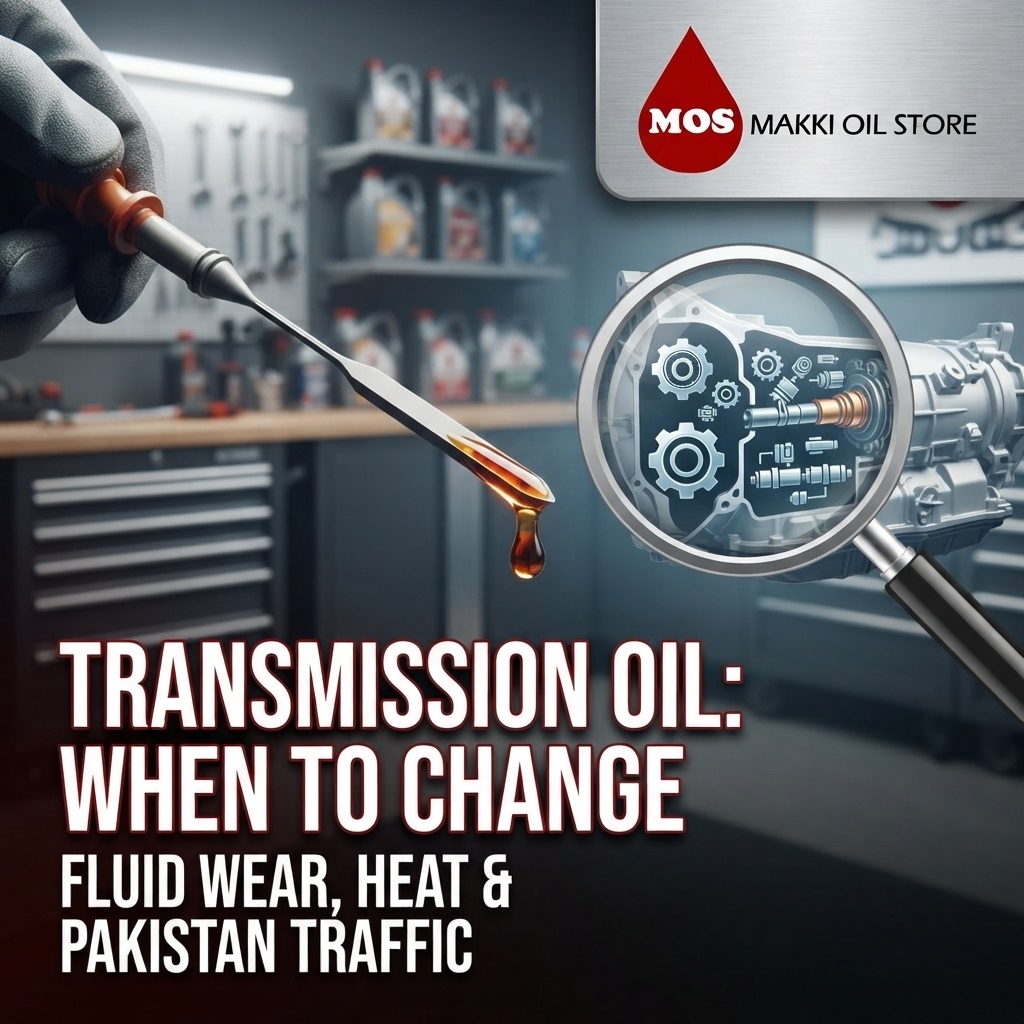
While most motorists remain vigilant about scheduling regular engine oil swaps, the vital fluids residing inside the vehicle’s gearbox frequently go unnoticed until mechanical failure strikes. Operating a car through congested urban avenues and long-distance highways places immense thermal and mechanical pressure on the drivetrain. Maintaining smooth gear engagement and protecting delicate internal synchronizers, clutches, and metal gears requires a comprehensive understanding of how transmission oil functions and why regional driving conditions demand strict replacement schedules.
The Core Functions of Gearbox Fluid in Modern Vehicles
Unlike engine oil, which deals directly with combustion byproducts and extreme cylinder temperatures, gearbox fluid is engineered to manage continuous high-pressure sliding friction between gear teeth. Whether your vehicle utilizes a manual stick shift, a traditional torque-converter automatic, or a continuously variable transmission, the circulating fluid serves several irreplaceable roles:
- Friction Control: It provides precise frictional characteristics required for clutch packs and synchronizers to engage smoothly without slipping or shuddering.
- Heat Dissipation: It absorbs and carries away intense thermal energy generated by meshing gears and hydraulic pumps, preventing overheating.
- Component Protection: It forms a durable anti-wear film that shields metal surfaces from pitting, scoring, and corrosion caused by moisture or microscopic debris.
As vehicle technology evolves toward modern hybrid and battery-powered platforms, specialized gear protection remains vital for managing high-torque electric drivetrains. Motorists tracking regional technological shifts can review this EV transmission oil guide to understand how evolving automotive systems still rely heavily on advanced drivetrain lubrication.
How Regional Traffic Stress Accelerates Fluid Breakdown
Driving through dense metropolitan traffic filled with endless stop-and-go congestion subjects automatic gearboxes to rapid fluid temperature spikes. Every time a car creeps forward in first gear or shifts repeatedly between low ratios, hydraulic fluid temperatures rise significantly. Over thousands of kilometers, this continuous heat cycle oxidizes the fluid, turning it dark brown, thinning its protective properties, and creating varnish deposits that clog narrow valve bodies.
To ensure your vehicle receives proper mechanical care during routine city commutes, local drivers can visit specialized service hubs for gear oil service guide to have professional technicians inspect fluid condition and prevent premature transmission failure.
| Transmission Type | Typical Service Interval | Primary Degradation Factor | Common Failure Symptom |
| Manual Transmission | 40,000 to 60,000 km | Metal particulate shedding and shear breakdown | Difficult gear shifting and grinding noises |
| Automatic Transmission (AT) | 50,000 to 80,000 km | Thermal oxidation and clutch friction wear | Shifting delays, slipping, or surging |
| Continuously Variable (CVT) | 40,000 to 50,000 km | High shear stress on specialized belts and pulleys | Whining noises or jerking during acceleration |
Recognizing the Warning Signs of Contaminated Drivetrain Fluid
Ignoring fluid maintenance eventually leads to distinct physical symptoms that signal internal distress. Recognizing these indicators early allows car owners to intervene before facing expensive gearbox overhauls or total unit replacements.
- Delayed Engagement: A noticeable pause or hesitation when shifting from Park into Drive or Reverse.
- Slipping Gears: The engine revs freely, but the car fails to accelerate proportionally, indicating lost hydraulic pressure.
- Unusual Noises: A persistent whining, buzzing, or clicking sound emanating from beneath the center console while driving.
- Burning Smell: A sharp, acrid odor indicating that the fluid has overheated and lost its chemical stability.
At the Makki Oil Store, our expert technicians examine fluid color, check for metallic contamination, and recommend manufacturer-approved replacement intervals tailored to your specific driving habits.
Frequently Asked Questions
What is the primary difference between engine oil and transmission oil?
Engine oil is formulated to withstand extreme combustion temperatures, soot, and fuel dilution while lubricating pistons and valves. Transmission oil is engineered specifically to handle high-pressure gear-meshing friction, hydraulic valve actuation, and clutch friction characteristics without breaking down under continuous shear stress.
How often should automatic transmission fluid be replaced in Pakistani cars?
While some vehicle manufacturers claim transmission fluid is lifetime fluid, harsh local driving conditions, high ambient temperatures, and heavy traffic congestion mean automatic transmission fluid should typically be replaced every 50,000 to 80,000 kilometers to prevent severe wear.
Can low transmission oil cause my car to stall?
Yes, low or severely degraded transmission fluid cannot maintain the proper hydraulic pressure required to operate torque converters and clutch packs. This pressure loss can cause the vehicle to hesitate, surge, or stall completely when coming to a stop.
What happens if I ignore changing my manual gearbox oil?
Over time, manual gearbox oil accumulates microscopic metal shavings from gear teeth meshing together. If left unchanged, this abrasive sludge accelerates wear on synchronizers and bearings, leading to stiff gear shifters, popping out of gear, and grinding noises.
Is it better to flush or drain-and-fill transmission fluid?
A standard drain-and-fill replaces roughly forty to fifty percent of the old fluid while retaining some remaining additives, making it safe for older high-mileage transmissions. A complete flush replaces nearly all the fluid using specialized equipment, which is ideal for well-maintained modern vehicles.