

In the bustling traffic of Lahore, from the congested lanes of the Walled City to the high-speed stretches of the Ring Road, your car’s engine is constantly working to maintain peak performance. However, one silent enemy often goes unnoticed: contaminated fuel. Particulates like rust, dust, and sediment can easily find their way into fuel tanks. To protect your injectors and fuel pump, selecting the best fuel filter is not just a maintenance task; it is an investment in your vehicle’s longevity.
Whether you are navigating the summer heat or the winter smog, a high-quality filter ensures that only pure, clean fuel reaches your combustion chamber. This guide will walk you through everything you need to know about making the right choice in the local market.
The Critical Role of a Fuel Filter in Pakistan’s Environment
A fuel filter serves as a microscopic gatekeeper. In Pakistan, where fuel quality can vary significantly between different stations, the risk of “dirty fuel” is a real concern for car owners. Impurities such as microscopic debris and moisture can lead to clogged fuel injectors, which are expensive to repair or replace.
By ensuring that only filtered fuel is delivered to the engine, you optimize combustion, improve fuel efficiency, and prevent abrasive damage to critical engine components. Without a functioning filter, your vehicle could experience a range of issues, including poor acceleration, sudden jerking, and even total engine failure during a commute. To avoid these pitfalls, it is crucial to know how to choose the right fuel filter shop in Lahore so you can find genuine parts that match your engine’s specific requirements.
Common Types of Fuel Filters Found in Lahore
Understanding the architecture of your fuel system is the first step in choosing a replacement. Most vehicles in Lahore fall into one of the following categories:
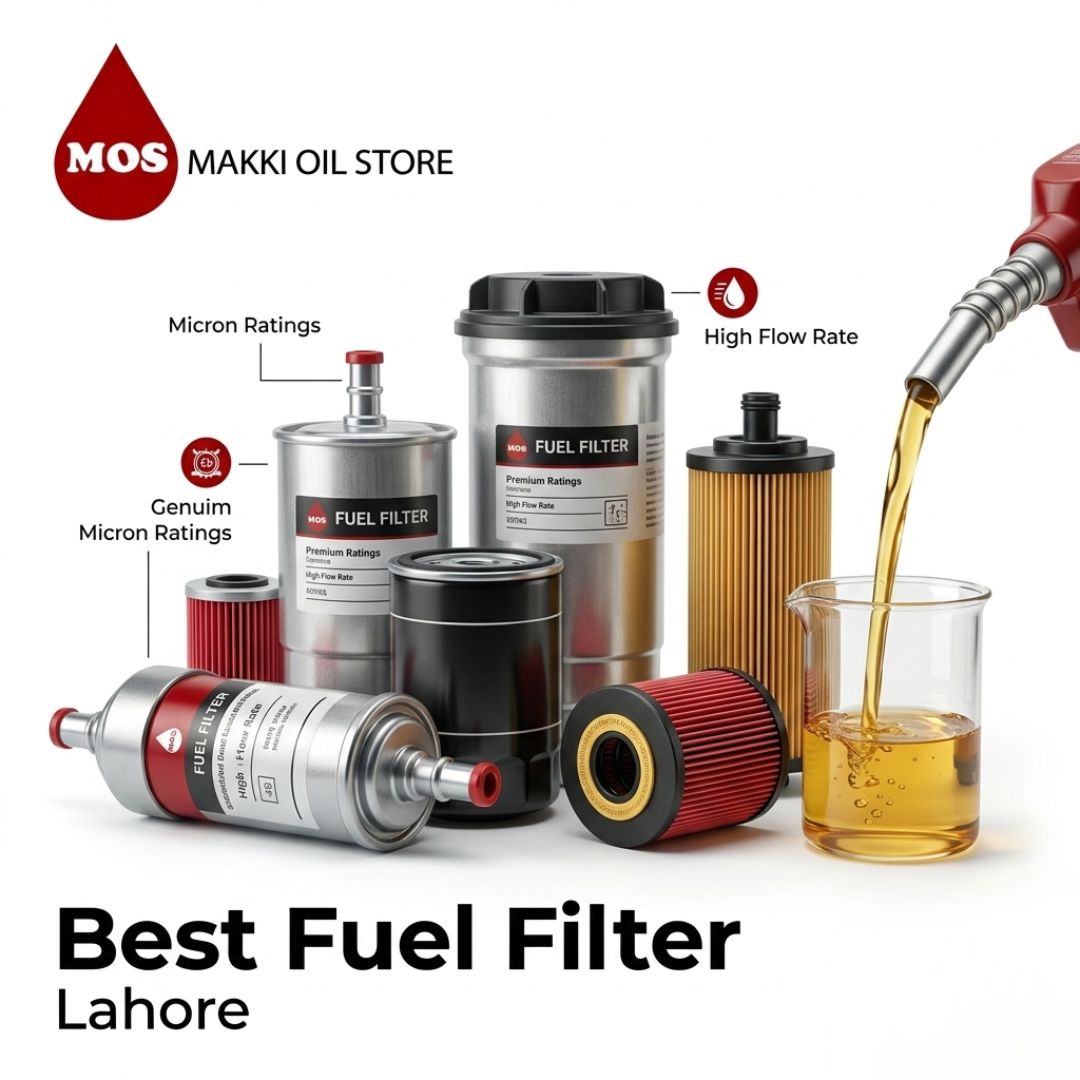
- Inline Fuel Filters: Typically found in older or budget-friendly models, these are positioned between the fuel tank and the engine. They are cylindrical and relatively straightforward to swap out during a routine service.
- Canister Fuel Filters: Common in modern diesel SUVs and high-end sedans, these are more robust and designed to handle higher pressure. They often include water-separator functions, which are vital for diesel engines in humid climates.
- Cartridge Fuel Filters: These are replaceable elements housed within a permanent casing. They are environmentally friendly and cost-effective since you only replace the internal media rather than the entire metal housing.
- In-Tank Integrated Filters: In many modern Japanese and European cars, the filter is part of the fuel pump assembly inside the tank. These are designed for much longer intervals but require professional tools to access.
Key Considerations for Selecting the Best Fuel Filter
When you visit a shop, don’t just ask for “any” filter. To get the best fuel filter for your specific needs, keep these technical factors in mind:
1. Micron Rating
The micron rating indicates the size of particles the filter can trap. A lower micron rating means a finer filter. For modern EFI (Electronic Fuel Injection) engines common in Lahore, a high-precision filter is necessary to prevent even the smallest particles from clogging the delicate injector nozzles.
2. Material and Build Quality
Filters are constructed from various media, including cellulose (paper), synthetic fibers, or multi-layer composites. Synthetic filters generally offer better flow rates and longer lifespans, making them ideal for the stop-and-go traffic of Lahore, which can put additional strain on the fuel system.
3. Compatibility and Fitment
Always refer to your owner’s manual. A filter that doesn’t fit perfectly can cause fuel leaks a massive fire hazard, or allow unfiltered fuel to bypass the media entirely. If you’re unsure, visiting a professional outlet like the Makki Oil Store can help you identify the exact OEM (Original Equipment Manufacturer) or high-quality aftermarket equivalent for your car.
Signs Your Current Filter Needs Immediate Replacement
Often, your car will tell you it’s struggling before the engine light even turns on. Keep an eye out for these “Lahore-specific” symptoms:
- Difficulty Starting: If your engine cranks longer than usual on a cold morning, it might be starving for fuel.
- Sputtering at High Speeds: When you try to overtake on the highway and the car hesitates or jerks, the filter is likely restricted.
- Decreased Fuel Economy: A clogged filter forces the fuel pump to work harder, which can paradoxically lead to higher fuel consumption.
- Engine Stalling: If your car dies while idling at a red light in Gulberg or DHA, your fuel flow is likely inconsistent.
| Vehicle Type | Recommended Interval | Typical Symptom |
| Gasoline / Petrol | 30,000 – 50,000 km | Sluggish acceleration |
| Diesel Engines | 15,000 – 25,000 km | Excessive exhaust smoke |
| High-Mileage Cars | Every 12 Months | Rough idling |
Where to Buy and Professional Installation
Lahore offers a variety of options, from authorized dealerships to local parts markets like Montgomery Road. However, be wary of “first copies” or counterfeit parts that look genuine but lack the internal filtration media.
- Authorized Dealerships: Best for maintaining warranties on newer cars.
- Specialized Auto Shops: Provide a balance of price and quality, often stocking premium brands like Guard, Bosch, or Vic.
- Expert Consultation: Always consult with a mechanic who has experience with your specific car brand. Proper installation is critical to ensure the fuel lines are pressurized correctly and that there are no hidden leaks.
Frequently Asked Questions
How often should I change my fuel filter in Lahore’s driving conditions?
While manufacturers often suggest intervals of up to 60,000 km, Lahore’s dust and varying fuel quality mean you should consider a replacement every 20,000 to 30,000 km for petrol cars. Diesel vehicles are much more sensitive and should have their filters checked or replaced every 15,000 km. Regularly replacing the filter prevents the fuel pump from overworking, which can save you from a very expensive pump failure down the road.
Can a clogged fuel filter damage my engine?
Yes, indirectly. A clogged filter causes a “lean” fuel mixture, meaning there is too much air and not enough fuel in the combustion chamber. This can lead to engine overheating and “knocking,” which damages pistons and valves over time. Furthermore, if the filter fails and allows debris through, it can permanently clog your fuel injectors, leading to a repair bill that is many times the cost of a simple filter change.
Is it possible to clean a fuel filter instead of replacing it?
Most modern fuel filters are “disposable” and cannot be cleaned effectively. The contaminants are trapped deep within the microscopic fibers of the paper or synthetic media. While some old-school metal mesh filters can be rinsed, the high-precision filters required for modern EFI and diesel engines must be replaced with new units. Trying to clean a disposable filter usually just pushes the dirt further in or tears the media, allowing debris to enter the engine.
Why is my fuel pump making a loud whining noise?
A loud whining or buzzing sound from the rear of your car is often a cry for help from the fuel pump. If the fuel filter is clogged, the pump has to create significantly more pressure to “push” the fuel through the restriction. This extra strain causes the pump to overheat and vibrate loudly. If you hear this noise, replace your fuel filter immediately; otherwise, you will likely need to replace the entire fuel pump assembly very soon.
Are there different filters for Petrol and Diesel cars?
Absolutely. Diesel fuel filters are much more complex because they must also separate water from the fuel. Diesel is naturally more prone to bacterial growth and water contamination, which can destroy a diesel engine’s high-pressure injection system. Petrol filters are primarily focused on removing solid particulates. You must never swap the two, as they are designed for different pressures and chemical properties of the respective fuels.