

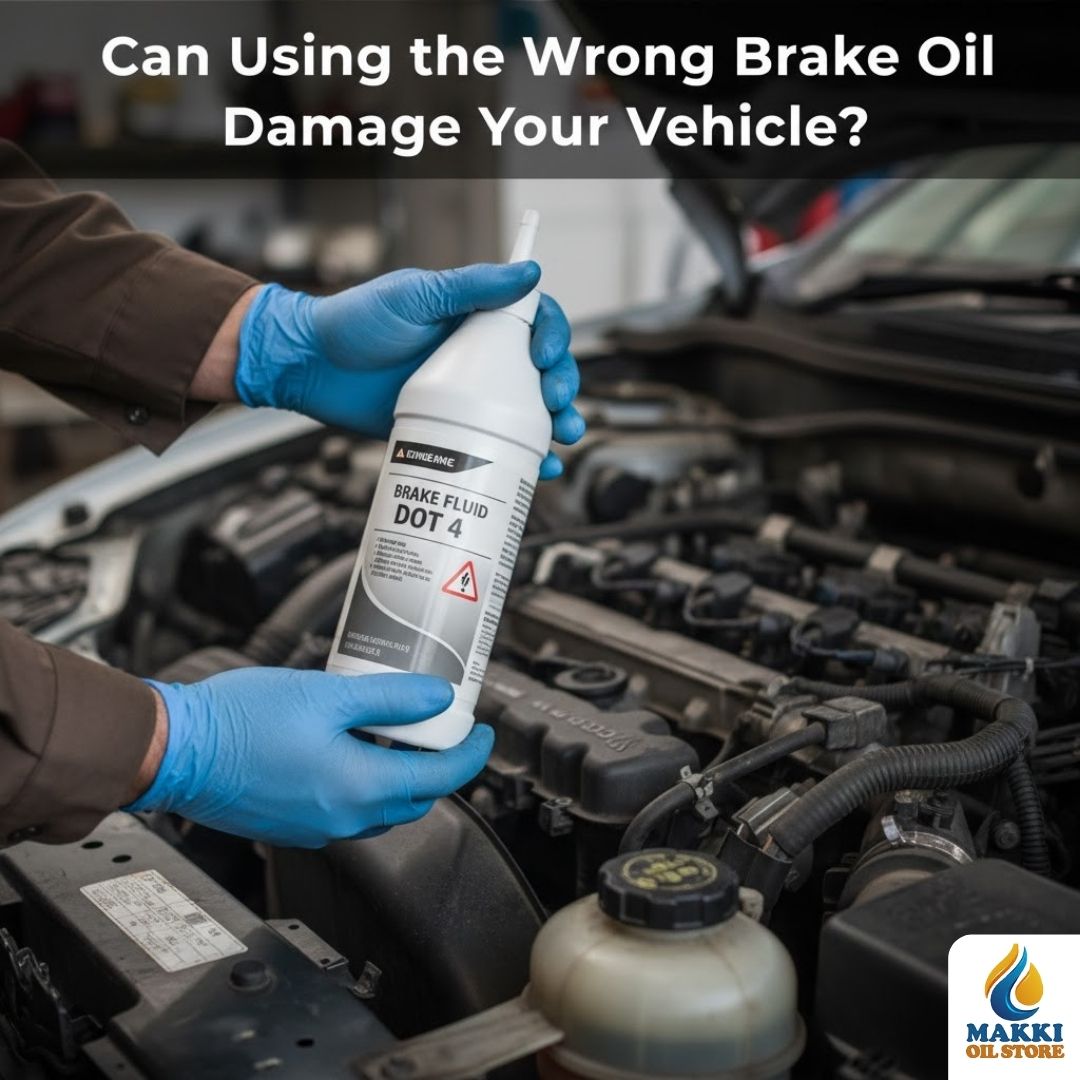
Brake oil also known as brake fluid is one of those small but powerful components that directly affects your vehicle’s safety. Yet, many drivers underestimate how critical it is to use the right type of brake oil. One wrong choice can reduce braking power, damage internal components, and even lead to complete brake failure.
So, can using the wrong brake oil damage your vehicle?
The short answer is yes absolutely. And the long-term consequences can be expensive and dangerous.
Let’s break it down in a simple, helpful, and expert-backed way.
Why Brake Oil Matters More Than You Think
Brake oil transfers the pressure from your foot on the brake pedal to the brakes themselves. This process requires:
- The right viscosity
- The right boiling point
- The right compatibility with your vehicle’s braking system
Using the wrong brake oil interrupts this delicate balance and creates problems that most drivers never see until it’s too late.
How Using the Wrong Brake Oil Harms Your Car
1. Damages Rubber Seals & Brake Lines
Each brake fluid type is designed for specific materials inside the braking system. Using the wrong one can cause rubber seals to:
- Swell
- Crack
- Disintegrate
This leads to dangerous brake fluid leaks and major repair costs.
2. Causes Corrosion Inside the Brake System
Some fluids absorb moisture faster than others.
If you use a type your car wasn’t designed for, moisture buildup leads to:
- Corroded brake lines
- Damaged ABS pumps
- Rusted calipers
Repairing these can cost far more than simply choosing the correct fluid.
3. Reduces Braking Power
Brake oils have different boiling points. If you use one with a lower boiling point than required, your brakes may overheat and lose effectiveness—especially on:
- Long drives
- Steep declines
- Hot summer days
Heat-induced brake fade is one of the most dangerous outcomes of using the wrong brake fluid.
4. ABS System Failure
Modern cars rely heavily on ABS (Anti-lock Braking System).
Using the wrong brake fluid can cause:
- Sensor malfunction
- Pump failure
- Inconsistent pressure control
ABS repairs are among the most expensive brake repairs a driver can face.
5. Increased Repair Bills & Reduced Lifespan of Brake Components
One incorrect top-up can shorten the life of:
- Brake pads
- Rotors
- Master cylinders
- Calipers
In many cases, the entire braking system needs flushing or replacement.
What Type of Brake Oil Should You Use?
To avoid costly mistakes, always follow what your car manufacturer recommends:
The Most Common Brake Fluids:
- DOT 3 – Suitable for everyday cars
- DOT 4 – Required for many modern vehicles with ABS
- DOT 5 – Silicone-based; not compatible with DOT 3 or DOT 4
- DOT 5.1 – High-performance alternative, but must match system requirements
mixing DOT 3, DOT 4, and DOT 5.1 is possible in some cases, but DOT 5 must NEVER be mixed with them.
When in doubt? Check your owner’s manual or consult a trusted technician.
How to Know You Might Be Using the Wrong Brake Oil
Watch for these early red flags:
- Brake pedal feels soft or spongy
- Car takes longer to stop
- Brake warning light turns on
- ABS light stays on
- Burning smell while braking
- Visible leaks around the wheels
If you notice any of these signs, get your brakes checked immediately.
Where to Get the Right Brake Oil in Lahore?
If you want genuine brake oil, expert advice, and trained technicians, you can visit a trusted auto care center like Makki Oil, known for supplying high-quality lubricants and brake fluids.
How to Avoid Brake Oil Mistakes Completely
1. Never mix fluids without checking compatibility
Even if two types look similar, they might react differently under heat.
2. Always check the manual before buying
Each vehicle model has specific requirements.
3. Get brake fluid replaced by professionals
DIY experiments with brake oil often lead to expensive damage.
4. Replace brake oil every 1.5 to 2 years
Most drivers forget this—don’t be that driver.
5. Choose high-quality, certified brake oil
Cheap brake fluids may burn faster, absorb moisture quickly, and risk your safety.
FAQs
1. Can I mix different types of brake oil?
Mixing is risky and usually not recommended. Always follow manufacturer instructions.
2. How often should brake oil be changed?
Every 1.5 to 2 years, depending on usage and driving conditions.
3. What happens if brake oil gets contaminated?
Contamination leads to corrosion, poor braking, and ABS failure.
4. How do I know which brake fluid my car uses?
Check your owner’s manual or the brake fluid reservoir cap.
5. Is DOT 5 better than DOT 4?
Not necessarily. DOT 5 is silicone-based and incompatible with many systems.