

Driving through the congested urban streets and dusty regional highways of Pakistan subjects motor vehicles to some of the most punishing operating conditions in the world. From the severe summer heat waves in Lahore and Faisalabad to long hours spent idling in bumper-to-bumper traffic gridlock, car engines experience continuous thermal stress. In this demanding environment, adhering to strict engine oil maintenance schedules is not merely a routine chore; it is the single most important factor protecting your vehicle from catastrophic mechanical failure and exorbitant repair bills.
The Harsh Realities of Local Driving Conditions
Automotive engineering assumes certain standard operating environments when calculating factory oil change mileage intervals. However, daily commuting on local roads introduces variables like high ambient temperatures, airborne dust, and frequent stop-and-go driving that fall under severe service categories. When a vehicle idles extensively at traffic signals, the engine oil pumps harder while airflow across the radiator drops, causing localized hot spots.
Over time, this intense heat breaks down the molecular chains of standard lubricants, reducing their viscosity and ability to coat critical moving components. Understanding the internal consequences of neglecting fluid changes helps drivers avoid severe mechanical damage. You can read more about these internal mechanical risks by reviewing insights on what happens to your car when you don’t change your engine oil to see how neglected lubricants transform into abrasive sludge.
Sludge Formation and Component Wear
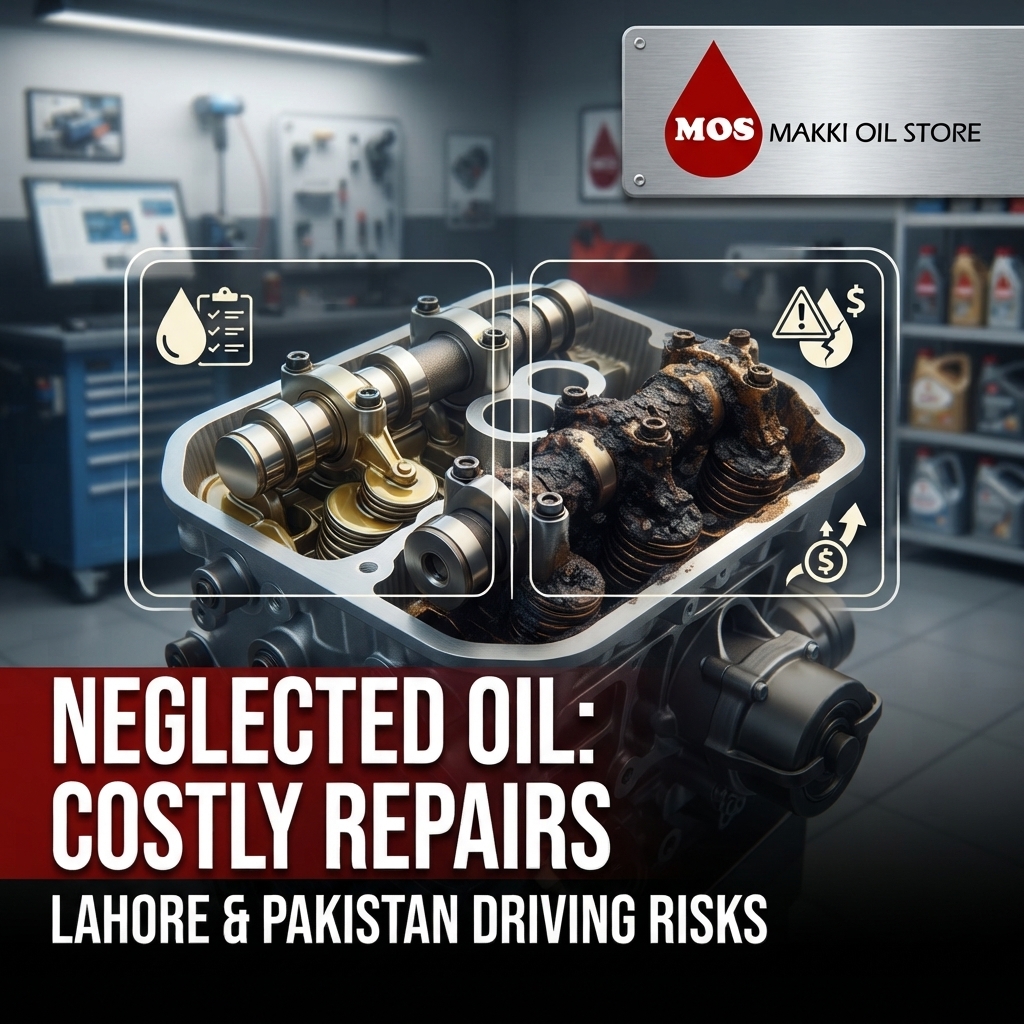
Fresh motor oil contains a specialized balance of detergents, dispersants, anti-wear additives, and viscosity modifiers. As the oil ages and absorbs combustion byproducts, soot, and microscopic metallic shavings, these additives become depleted. If fluid changes are pushed far beyond safe mileage thresholds, the oil oxidizes and thickens into a tar-like substance known as engine sludge.
This viscous buildup clogs narrow oil passages, starving vital upper-valvetrain components, camshafts, and bearings of necessary lubrication. To understand the progressive decline in engine protection when service milestones pass us by, car owners can explore detailed breakdowns on what happens if you delay an oil change to identify early warning signs of lubrication failure.
| Neglected Service Interval | Mechanical Consequence | Estimated Repair Impact |
| 1,000 km Overdue | Minor additive depletion and mild varnish buildup | Minimal impact if addressed promptly |
| 5,000 km Overdue | Sludge formation and restricted oil galley flow | Moderate wear on lifters and valve guides |
| 10,000+ km Overdue | Bearing starvation, scored cylinder walls, seized engine | Major overhaul or complete engine replacement |
The Financial Reality of Engine Rebuilds
Delaying basic preventative maintenance always results in exponentially higher expenses down the road. While paying for a timely oil and filter change requires a modest upfront investment, ignoring the service leads to severe mechanical failures that can cripple a household budget.
- Scored Cylinder Walls: Without proper oil film protection, pistons rub directly against iron cylinder walls, causing deep scoring that results in severe oil burning and loss of compression.
- Camshaft and Valvetrain Seizure: Starved of clean oil pressure, overhead camshafts can seize inside their journals, snapping timing belts or chains and bending valves.
- Turbocharger Failure: Modern turbocharged engines rely heavily on clean oil to cool and lubricate high-speed turbine shafts; degraded oil causes immediate bearing failure.
At the Makki Oil Store, our expert technicians provide comprehensive multi-point inspections, high-grade synthetic lubricants, and precise filter replacements to shield your vehicle from the high costs of neglect.
Frequently Asked Questions
Why does stop-and-go traffic degrade engine oil faster?
Stop-and-go traffic keeps the engine running at low speeds with minimal airflow, causing heat soak and fuel dilution that breaks down oil additives much faster than steady highway driving.
How often should I change my engine oil in Pakistan?
Given local dust and heavy traffic conditions, it is generally recommended to change conventional oil every 3,000 to 5,000 kilometers and synthetic oil every 7,000 to 10,000 kilometers.
What are the early signs of engine oil breakdown?
Early warning signs include a darkening oil color on the dipstick, a louder engine valve tick or tapping noise during cold starts, and a slight decrease in overall fuel efficiency.
Can old engine oil cause my car to overheat?
Yes, degraded oil loses its thermal transfer efficiency, causing internal friction temperatures to rise, which places an extra burden on your vehicle cooling system.
Why is replacing the oil filter just as important as the oil?
The oil filter traps abrasive soot and metallic debris; if left unchanged, a clogged filter will bypass dirty oil directly back into your engine, accelerating internal wear.