In Pakistan, where the automotive aftermarket is vast and diverse, the prevalence of counterfeit lubricants has become a serious concern for vehicle owners. Authentic, high-quality engine oil is the singular barrier preventing metal-on-metal friction and thermal breakdown inside your powertrain. Conversely, fake products are often nothing more than low-grade, re-refined, or even dyed mineral oils packaged in convincing-looking containers. Using these fraudulent lubricants can cause irreversible damage, leading to sludge buildup, bearing failure, and premature engine retirement. Recognizing the signs of a counterfeit product before it reaches your crankcase is a vital skill for every responsible driver.
Examining the Packaging for Authenticity
The first line of defense against counterfeit products is a critical eye. Fraudulent manufacturers often invest significantly in copying labels, but they rarely achieve the precision of an original factory process. When you purchase oil, inspect the bottle’s aesthetics carefully. Original containers feature high-definition printing with clear, sharp text. If the label appears blurry, shows signs of misaligned edges, or uses colors that look slightly “off” compared to an older bottle you know is genuine, exercise extreme caution.
Furthermore, pay close attention to the seal. A genuine product should have a tamper-evident, factory-sealed cap that resists movement. If the plastic ring at the base of the cap is loose or appears to have been glued back together, the bottle may have been refilled with inferior contents. High-end brands often incorporate holographic security stickers or QR codes that link to their official websites; always verify these security features if the manufacturer provides them.
Analyzing the Fluid Characteristics
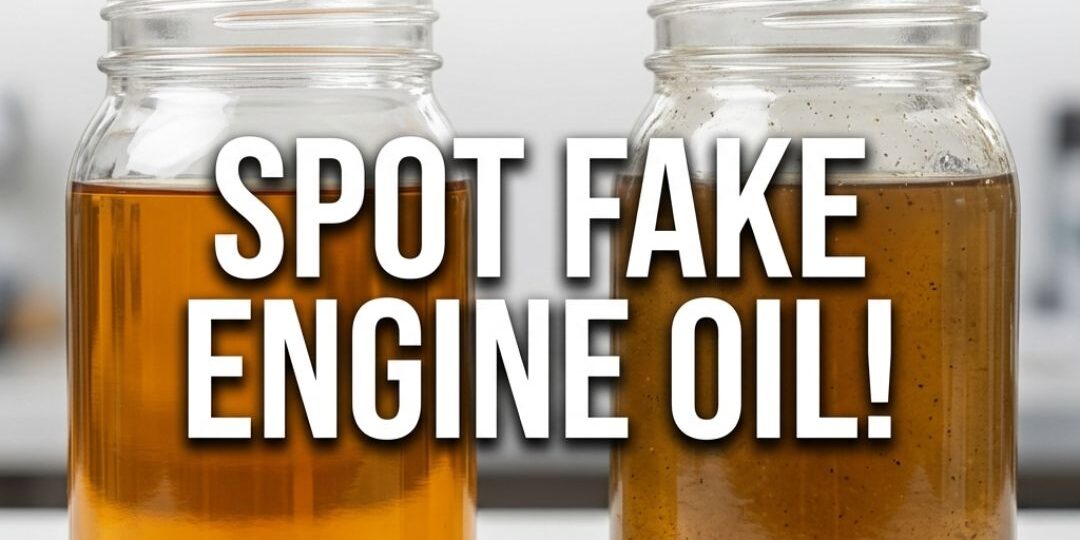
Once you open a bottle, the physical state of the lubricant can provide clues about its legitimacy. Authentic engine oil should look clear, consistent, and clean. If the fluid inside has an inconsistent color, appears hazy, or contains visible sediments or impurities, it is a major warning sign.
The viscosity should also feel correct when you pour it; while it is difficult to determine precise viscosity by touch, genuine synthetic oils generally have a smooth, consistent flow. If the liquid feels unexpectedly watery or overly thick, or if it emits a sharp, pungent, or metallic odor, do not pour it into your engine. While you might wonder what kind of oil is used in car engines globally, the baseline for quality is always professional-grade purity and stability, which fake oils simply cannot replicate.
Price Sensitivity and Supplier Trust
A common trap for buyers is the allure of an suspiciously low price. While competitive pricing is a standard part of the retail landscape, a deal that seems “too good to be true” usually is. Counterfeiters rely on the consumer’s desire to save money to move their inventory quickly. If a specific brand of premium synthetic oil is priced significantly lower at one store than it is at authorized dealerships or established shops, you should be highly skeptical of its origins.
The best way to avoid the risk entirely is to consolidate your purchases through a reliable source. By establishing a relationship with a verified outlet like the Makki Oil Store, you remove the guesswork from your maintenance routine. A reputable shop prioritizes long-term customer trust over short-term sales, ensuring that every product on their shelf is sourced directly from authorized supply chains and is guaranteed to perform as intended.
The Long-Term Consequences of Counterfeit Lubrication
The damage caused by fake oil is rarely immediate; it is a slow, silent process. Initially, your car might run normally, but the internal chemistry of the oil is not providing the necessary protection against acidity and heat. Over a few thousand kilometers, you may notice increased engine noise, a decline in fuel efficiency, or a lack of responsiveness during acceleration.
As the oil fails to clean internal surfaces, carbon deposits begin to bake onto the piston rings and valve stems. Eventually, these deposits turn into thick sludge that blocks narrow oil passages, leading to a loss of oil pressure and catastrophic bearing failure. Preventing this by vetting your suppliers and inspecting your products is the most effective way to ensure your vehicle remains a reliable asset for years to come.
Frequently Asked Questions
Why does counterfeit oil often look so similar to the original product?
Counterfeiters use professional printing equipment and high-quality plastics to mimic the original branding, making it very difficult for the average consumer to tell the difference at a glance. They capitalize on the fact that most people do not have an original bottle side-by-side for comparison. Because they are not paying for the research, testing, or high-grade base stocks used by real companies, they can afford to spend more on their packaging to deceive customers, which is why checking for tiny printing inconsistencies and seal integrity is so important.
Can using fake engine oil void my vehicle’s warranty?
Yes, using counterfeit or improper lubricant is a leading cause of engine failure that is strictly excluded from manufacturer warranties. When an engine fails due to sludge or abnormal internal wear, technicians can perform a chemical analysis of the remaining lubricant. If they determine the product does not meet the manufacturer’s specifications or if it is found to be fraudulent the dealership will almost certainly deny your warranty claim, leaving you responsible for the total cost of the engine repair or replacement.
What are the most common additives that fake oils are missing?
Real engine oil is a complex mixture containing detergents to keep the engine clean, dispersants to hold particles in suspension, anti-wear agents like ZDDP to protect moving surfaces, and viscosity index improvers to handle temperature changes. Fake oils are typically low-grade base oils that lack these critical packages. Without these additives, the oil cannot perform its most basic duties: it cannot clean the engine, it cannot protect against metal-to-metal contact, and it will break down rapidly under normal operating temperatures.
Is it safe to buy engine oil in bulk containers from smaller shops?
Buying oil from bulk barrels in smaller, unverified shops is extremely risky and is highly discouraged. You have no way of knowing what grade or brand of oil is actually in the barrel or if it has been contaminated by moisture, dirt, or other lubricants. There is also a risk that the shop is refilling premium brand barrels with significantly cheaper, lower-quality oil. For the safety of your engine, always insist on purchasing oil in factory-sealed containers that you have personally inspected and opened.
How does counterfeit oil specifically affect direct-injection engines?
Direct-injection engines, which are common in many modern vehicles, are particularly sensitive to lubricant quality. These engines have high-pressure fuel systems and complex valve designs that rely on high-grade oils to prevent carbon buildup. Fake oils do not contain the specialized detergents required to stop this buildup on the intake valves, which leads to a rapid decline in performance, rough idling, and engine “misfire” codes. In these engines, using the correct, genuine oil is not just a recommendation; it is a requirement for the vehicle to function correctly.