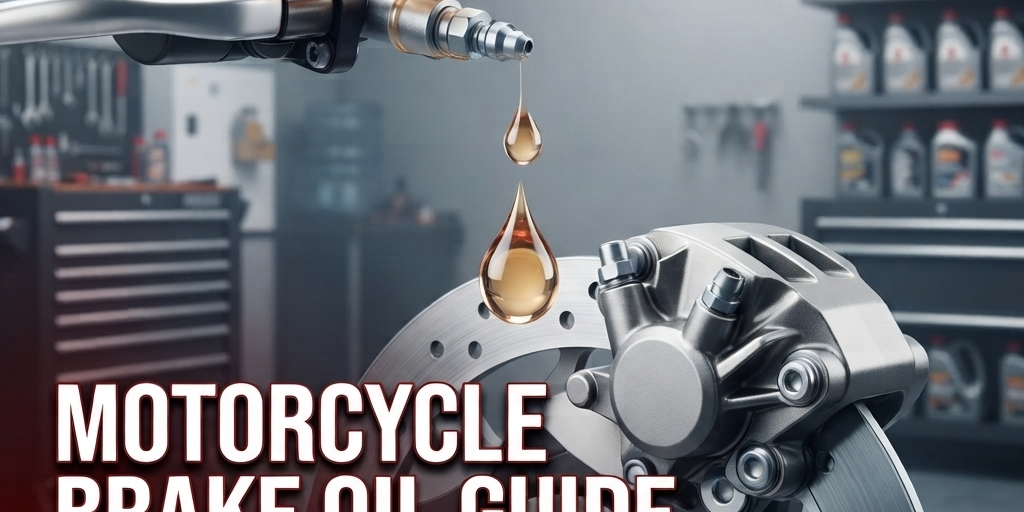
When riders think about motorcycle maintenance, attention naturally gravitates toward engine oil changes, chain lubrication, and tire pressure adjustments. However, the hydraulic mechanism responsible for bringing a two-wheeler to a controlled, secure stop is equally critical for rider safety on busy roads. Selecting the correct motorcycle brake oil ensures that squeezing the front lever or pressing the rear pedal translates instantly into reliable stopping force, even when navigating chaotic city traffic or descending slick asphalt during sudden monsoon downpours. Understanding the unique operational demands placed on two-wheeler hydraulic systems helps riders choose the right grade of fluid to prevent brake fade and master cylinder failure.
The Unique Hydraulic Demands of Two-Wheeler Braking Systems
Motorcycle braking configurations differ significantly from passenger cars in terms of exposure and thermal dynamics. Unlike car master cylinders tucked safely inside the engine bay, a motorcycle’s front brake master cylinder and fluid reservoir are mounted directly on the handlebar, fully exposed to direct sunlight, ambient heat, and environmental dust. This continuous exposure accelerates the fluid’s exposure to weather extremes.
Furthermore, because modern commuter motorcycles and performance sports bikes rely heavily on responsive front disc setups, the compact brake lines experience rapid temperature fluctuations during aggressive stop-and-go riding. Utilizing a high-grade glycol-ether formulation prevents the fluid from boiling under intense frictional heat generated at the caliper pistons. Riders looking to optimize their long-term maintenance approach can explore insights on brake oil maintenance guide, and how proactive fluid replacement prevents costly caliper rebuilds and master cylinder replacements down the road.
Evaluating DOT Classifications for Local Motorcycles
Most motorcycles operating across local roads utilize either DOT 3 or DOT 4 hydraulic fluid specifications, as indicated on the manufacturer reservoir cap. Choosing the correct rating requires balancing riding style with environmental conditions.
- DOT 3 Fluid: Offers a lower minimum dry boiling point and a standard moisture absorption rate, making it well-suited for lightweight commuter motorcycles, older models, and basic drum-disc combinations.
- DOT 4 Fluid: Engineered with advanced borate esters that deliver significantly higher dry and wet boiling points, making it ideal for modern 150cc to heavy sports bikes equipped with ABS and high-performance disc brakes.
- DOT 5 Silicone Fluid: Completely moisture-repellent and silicone-based, but rarely recommended for standard motorcycle braking systems unless specifically designated, as it cannot mix with water and can cause severe seal incompatibility.
Navigating these technical specifications correctly ensures that your braking system remains responsive and free from spongy pedal or lever feedback. Motorists seeking expert assistance with system bleeding and fluid selection can review professional guidelines in our brake oil shop services guide to ensure proper maintenance is carried out by trained technicians.
Environmental Factors and Moisture Absorption Risks
The climate across Pakistan introduces unique maintenance challenges for hydraulic fluids. High humidity levels during monsoon seasons combined with intense summer heat waves cause brake fluid to degrade much faster than factory estimates suggest. Because glycol-based fluids are inherently hygroscopic, they absorb microscopic moisture through tiny pores in rubber hoses and reservoir diaphragm seals over time.
When water content inside the fluid exceeds three percent, the boiling point drops dramatically. During prolonged braking on steep descents or heavy urban commuting, this trapped moisture turns to steam, creating compressible vapor pockets inside the brake line. This results in total or partial loss of hydraulic pressure, leaving the rider with a dangerously soft lever. Regularly inspecting fluid clarity through the handlebar master cylinder sight glass is a vital habit for every rider.
| Fluid Specification | Dry Boiling Point | Wet Boiling Point | Ideal Two-Wheeler Application |
| DOT 3 | 205°C (401°F) | 140°C (284°F) | Standard 70cc to 125cc commuter bikes |
| DOT 4 | 230°C (446°F) | 155°C (311°F) | Performance 150cc+ bikes and ABS models |
| DOT 5.1 | 260°C (500°F) | 180°C (356°F) | Heavy sports bikes and track motorcycles |
Professional Servicing and Quality Assurance
Sourcing genuine, factory-sealed fluid is just as important as selecting the correct DOT rating. The aftermarket contains various unverified fluid containers that may lack proper anti-corrosion additives, leading to rusted internal piston bores and ruined rubber seals.
At the Makki Oil Store, we provide certified, high-performance automotive and motorcycle lubricants designed to withstand regional thermal extremes. Ensuring that your bike receives authentic fluid and a complete system bleed guarantees maximum stopping confidence on every ride.
Frequently Asked Questions
Can I use car brake oil in my motorcycle’s hydraulic braking system?
Yes, you can use car brake fluid in a motorcycle as long as the DOT specification matches what is recommended by your motorcycle manufacturer, typically DOT 3 or DOT 4. Both car and motorcycle hydraulic systems rely on the same glycol-ether chemical base. However, you must always verify the required rating on your bike’s reservoir cap and avoid mixing incompatible grades to ensure optimal braking performance.
How often should I change the brake oil on my commuter motorcycle?
Most motorcycle manufacturers recommend replacing your brake fluid entirely every eighteen to twenty-four months, or roughly every twenty thousand kilometers. Because motorcycle fluid reservoirs are constantly exposed to outdoor humidity, sunlight, and atmospheric temperature changes, moisture absorption occurs rapidly. Routine fluid flushes keep the hydraulic lines free of contaminants and maintain a firm, reliable lever feel.
What causes a motorcycle brake lever to feel spongy or soft?
A spongy or soft brake lever is almost always caused by air bubbles trapped inside the hydraulic lines or moisture contamination lowering the fluid’s boiling point. When air enters the system or water turns to vapor under braking heat, the fluid becomes compressible, meaning your lever effort squashes gas pockets instead of pushing the brake pads firmly against the disc rotor. Bleeding the system and replacing the old fluid resolves this issue.
Is it safe to mix DOT 3 and DOT 4 brake fluids on a bike?
Mixing DOT 3 and DOT 4 glycol-based fluids is technically non-fatal in an emergency because both share compatible chemical foundations, but it is not recommended for regular maintenance. Doing so dilutes the higher thermal threshold of the DOT 4 fluid, reducing its overall boiling point. If your motorcycle specifies DOT 4, it is always best to perform a complete system flush with the correct grade.
What are the signs that my motorcycle brake fluid is contaminated?
Contaminated brake fluid typically appears dark brown, murky, or black instead of its original clear or amber color. You may also notice particulate debris floating inside the master cylinder reservoir or experience a noticeably sluggish return of the brake lever. If your stopping distance increases or the lever feels limp, immediate fluid replacement and inspection by a professional mechanic are required.
Meet the Author
Muhammad Ikram | Founder of Makki Oil Store
With over 25 years of practical industry experience, Muhammad Ikram is one of Lahore’s most experienced voices in automotive lubrication and vehicle care. He founded Makki Oil Store in 1999 with a clear mission: to protect vehicle engines by providing genuine, high-quality lubricants paired with expert maintenance advice.
Over the last two and a half decades, Muhammad has developed a deep, practical knowledge of engine mechanics, fluid chemistry, and local driving demands. Whether dealing with high-mileage daily drivers, modern imported vehicles, or heavy-duty power equipment, his hands-on approach ensures that every customer receives the precise care needed to keep their engine running smoothly for years to come.