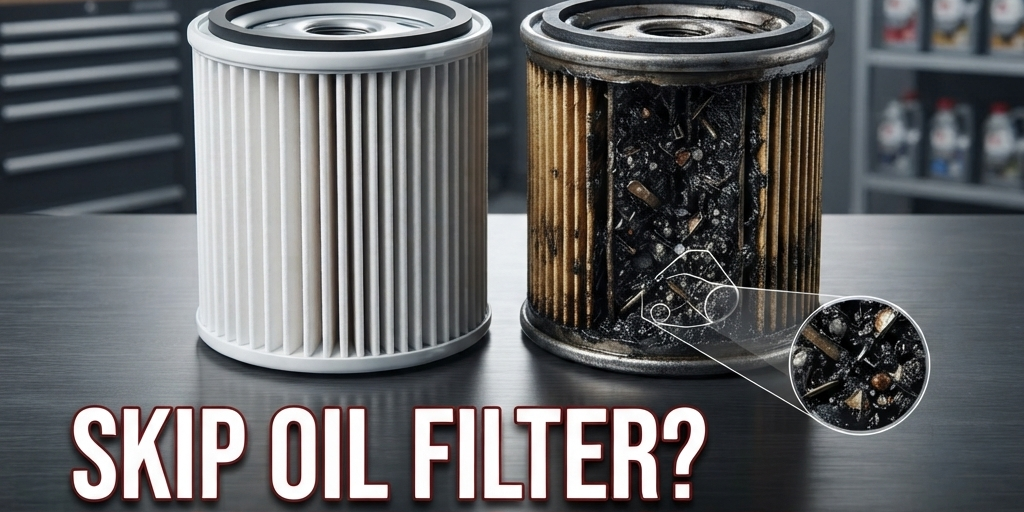
When vehicle owners schedule a routine fluid service, the primary focus is almost always on selecting the right grade of lubricant. However, pouring fresh fluid into an engine without changing the accompanying filtration element is a critical mistake. Every time your engine runs, microscopic metallic shavings from normal wear and tear, unburned carbon soot, and environmental road dust circulate through the lubrication circuit. A high-quality oil filter acts as the primary defense barrier, trapping these abrasive contaminants before they can score cylinder walls or destroy precision bearings. Attempting to run an engine without a functional filtration unit guarantees rapid internal destruction.
How Contaminants Circulate Without Filtration
Understanding the mechanics of engine lubrication reveals why filtration is indispensable. As the oil pump draws lubricant from the pan, it forces the fluid under high pressure through narrow galleries to lubricate high-friction components such as camshaft lobes, piston rings, and crankshaft journals. Without a trapping medium in place, suspended particulate matter acts like liquid sandpaper.
Substandard maintenance habits often compound these risks. Drivers who overlook routine upkeep frequently commit compounding errors that accelerate mechanical wear, making it essential to review common pitfalls by examining engine oil mistakes 5 ways you are ruining your car to understand how neglected components lead to catastrophic engine failure. When abrasive particles bypass filtration, they embed themselves into soft bearing metals, gouging journals and causing severe oil pressure loss.
The Anatomy of a Filtration Element
Modern filtration units are sophisticated engineering assemblies designed to capture microscopic debris while maintaining unrestricted fluid flow rates. Inside the steel canister lies a complex arrangement of synthetic or cellulose pleats supported by heavy-duty metal end caps and bypass valves.
- Cellulose and Synthetic Media: Multi-layered pleats engineered to trap particles down to twenty microns or smaller without restricting fluid volume.
- Anti-Drainback Valve: A rubber flap that prevents oil from draining out of the filter back into the pan when the engine is turned off, ensuring instant lubrication upon startup.
- Pressure Relief Bypass Valve: A safety mechanism that opens up if the filter becomes completely choked with sludge, allowing un-filtered oil to flow through so the engine does not seize entirely from oil starvation.
Finding an authentic replacement part that matches OEM specifications requires knowing where to source reliable hardware. Vehicle owners seeking certified components can explore expert advice detailing how can you find the best oil filter shop in Lahore for genuine filters to identify trustworthy stockists who provide high-efficiency filtration media.
| Filter Condition | Fluid Flow Rate | Contaminant Trapping Efficiency | Engine Protection Level |
| Brand New Genuine Unit | Optimal and steady | Maximum (captures 99% of debris) | Complete internal shielding |
| Overdue / Choked Unit | Restricted (triggers bypass valve) | Zero (clogged pores force bypass open) | High risk of sludge buildup |
| Completely Missing Unit | Unrestricted pressure | Absolute zero filtration | Immediate abrasive wear and scoring |
The Consequences of Running an Engine Without a Filter
Some amateur mechanics or desperate drivers have attempted to run engines with makeshift modifications or by completely omitting the filtration unit during emergency situations. The outcome is invariably disastrous. Within minutes of startup, unfiltered oil carrying metallic debris generated during combustion begins scouring the delicate aluminum cylinder walls and main bearings.
Furthermore, without an anti-drainback valve to hold fluid in the galleries, every cold morning startup forces the engine to run dry for several critical seconds while the pump primes the empty passages. This dry-start friction accelerates valvetrain wear, destroys hydraulic valve lifters, and drastically shortens the operational lifespan of the power plant.
Professional Maintenance at Makki Oil Store
Protecting your engine requires pairing premium synthetic lubricants with certified, high-efficiency filtration components during every scheduled service interval. Reusing an old component or installing cheap, unbranded alternatives compromises your entire lubrication system.
At the Makki Oil Store, our technicians ensure that every vehicle receives genuine, factory-spec filtration media designed to handle local driving stresses, keeping your engine clean, protected, and running smoothly.
Frequently Asked Questions
What happens if I install an oil filter incorrectly or too loosely?
Installing a filter too loosely or cross-threading the mounting stud will cause high-pressure oil to spray out immediately upon startup. This rapid loss of fluid empties the oil pan within seconds, which will quickly seize the engine and cause catastrophic internal damage if the driver does not shut off the ignition immediately.
Can a clogged oil filter starve my engine of oil?
Yes, if a filter becomes completely choked with accumulated sludge and debris, the internal bypass valve is designed to open to prevent total oil starvation. However, once this valve opens, unfiltered oil circulates freely through the engine, carrying abrasive particles that cause rapid wear on bearings and cylinder walls.
How often should I replace my vehicle’s oil filter?
You should replace your oil filter during every single engine oil change, typically every 5,000 to 10,000 kilometers depending on the oil type and driving conditions. Reusing an old filter contaminates fresh oil instantly with trapped soot and metal shavings from the previous fluid cycle.
Are cheap aftermarket oil filters safe to use?
Cheap aftermarket filters often feature flimsy internal paper pleats, weak anti-drainback valves, and poorly constructed bypass mechanisms that can collapse under high oil pressure. When a cheap filter collapses, it can release trapped debris back into the engine or block oil flow entirely, making it crucial to purchase certified parts.
Does a larger oil filter provide better engine protection?
A larger filter provides increased media surface area, which can hold more contaminants and reduce flow restriction over extended service intervals. However, you must only use the specific physical size and thread pitch approved by your vehicle manufacturer; installing an incompatible size can cause clearance issues or improper sealing.
Meet the Author
Muhammad Ikram | Founder of Makki Oil Store
With over 25 years of practical industry experience, Muhammad Ikram is one of Lahore’s most experienced voices in automotive lubrication and vehicle care. He founded Makki Oil Store in 1999 with a clear mission: to protect vehicle engines by providing genuine, high-quality lubricants paired with expert maintenance advice.
Over the last two and a half decades, Muhammad has developed a deep, practical knowledge of engine mechanics, fluid chemistry, and local driving demands. Whether dealing with high-mileage daily drivers, modern imported vehicles, or heavy-duty power equipment, his hands-on approach ensures that every customer receives the precise care needed to keep their engine running smoothly for years to come.