Detecting an unusual odor inside or outside your vehicle can be an unsettling experience for any driver. When a distinct, acrid scent begins to drift through the cabin or wafts out from under the hood after a drive, it is usually a clear sign that something is amiss. A burning smell is never something to ignore, as it frequently points to fluid escaping from its sealed pathways and coming into contact with hot engine components. Understanding the root triggers behind this odor helps you recognize whether you are dealing with minor spillage or a severe mechanical leak that could accidentally lead to causes engine noise after an oil change or permanent internal wear if left unaddressed.
Identifying the Source of the Odor
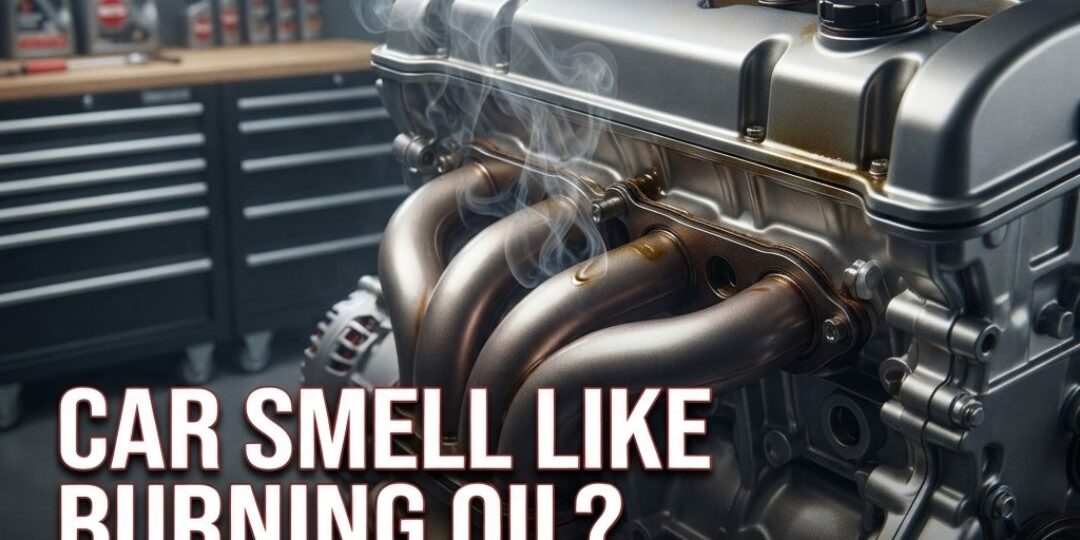
When engine oil leaks onto hot metal surfaces like the exhaust manifold, catalytic converter, or engine block, it instantly bakes and vaporizes, sending a sharp, smoky smell through the ventilation system or up past the windshield. Common culprits include a degraded valve cover gasket and a loose oil filler cap or poorly sealed drain plug from a recent service. When fluid escapes these boundaries, it not only creates an unpleasant cabin odor but also depletes the total volume of lubricant protecting your internal mechanical components, increasing friction and potential wear across the engine block.
Monitoring your vehicle’s physical fluid condition regularly is the best defense against unexpected odor and mechanical failure. To ensure you catch degradation before it results in smoke or abnormal sounds, it is vital to recognize the signs your engine oil needs changing by checking dipstick consistency and service mileage. Keeping your lubrication system tightly sealed and properly filled ensures that your car operates smoothly without releasing foul smells or compromising performance under heavy driving loads.
Real-World Driving Pressures in Local Conditions
Driving environments characterized by extreme heat, heavy traffic congestion, and severe road dust place immense strain on your car’s gaskets, seals, and rubber hoses. High ambient temperatures cause older rubber components to harden, crack, and lose their sealing elasticity prematurely. When combined with the continuous stop-and-go idling typical of urban commuting, engine bay temperatures rise significantly, encouraging oil leaks to form around aging seals and drip directly onto hot exhaust components.
At the Makki Oil Store, we frequently assist motorists who notice burning odors following maintenance work or during peak summer months. Ensuring that every gasket is properly seated and utilizing high-grade synthetic oils that resist thermal breakdown prevents these frustrating leaks. Proactive maintenance protects your vehicle from the cumulative stress of local driving conditions and keeps your daily commute safe and odor-free.
Frequently Asked Questions
Why do I smell burning oil only when the engine is running and warmed up?
You typically smell burning oil only after the engine has reached its normal operating temperature because that is when metal components expand and thermal pressure peaks. If a minor leak exists around a valve cover gasket or oil pan seal, the escaping fluid may not vaporize when the engine is completely cold. However, once the exhaust manifold and engine block heat up to standard operating temperatures, any oil dripping onto those hot surfaces instantly bakes and turns into noticeable smoke, carrying the sharp burning scent through your car’s ventilation system.
Can a sloppy oil change cause a burning smell inside the car?
A sloppy or rushed oil change is one of the most common reasons drivers notice a sudden burning oil smell shortly after visiting a service bay. If a technician accidentally spills a small amount of oil onto the exhaust manifold or down the side of the engine block while pouring fresh fluid, that residual oil will bake and smoke the moment the engine gets hot. While this type of odor usually dissipates on its own after a day or two once the spilled oil completely burns off, it is always wise to inspect the engine bay to ensure there is no active leak or loose filter gasket.
Is it dangerous to keep driving if my car smells like burning oil?
Continuing to drive your car when you notice a persistent burning oil smell can be risky depending on the severity of the underlying issue. If the smell is caused by a minor spill or a tiny weeping gasket, it may not pose an immediate danger, but it still requires close monitoring. However, if the odor is accompanied by a dropping oil level on your dipstick or a flickering oil pressure warning light, driving further can starve the engine of vital lubrication, leading to severe internal damage, overheating, and expensive mechanical repairs.
How do aging rubber gaskets contribute to oil leaks and burning smells?
Over thousands of kilometers of service, the rubber and composite gaskets sealing your engine, such as the valve cover gasket and camshaft seals are subjected to constant heating and cooling cycles. This thermal stress causes the rubber to harden, shrink, crack, and lose its flexible sealing properties. Once these gaskets degrade, oil begins to seep past the barrier and run down the sides of the hot engine block, where it vaporizes on contact with the exhaust system and produces the distinct acrid smell of burning oil.
What immediate steps should I take if I detect a burning oil odor?
If you notice a burning oil smell while driving or after parking, you should perform a few safe diagnostic steps as soon as the engine cools down. First, open the hood and visually inspect the top and sides of the engine block for fresh wet spots, smoke trails, or pooling oil around the valve covers and exhaust manifold. Next, pull the dipstick on a flat surface to verify that your oil level is still safely within the acceptable range. If you spot an active leak or if the oil level is critically low, avoid driving the vehicle and consult a professional mechanic immediately.
Meet the Author
Muhammad Ikram | Founder of Makki Oil Store
With over 25 years of practical industry experience, Muhammad Ikram is one of Lahore’s most experienced voices in automotive lubrication and vehicle care. He founded Makki Oil Store in 1999 with a clear mission: to protect vehicle engines by providing genuine, high-quality lubricants paired with expert maintenance advice.
Over the last two and a half decades, Muhammad has developed a deep, practical knowledge of engine mechanics, fluid chemistry, and local driving demands. Whether dealing with high-mileage daily drivers, modern imported vehicles, or heavy-duty power equipment, his hands-on approach ensures that every customer receives the precise care needed to keep their engine running smoothly for years to come.