
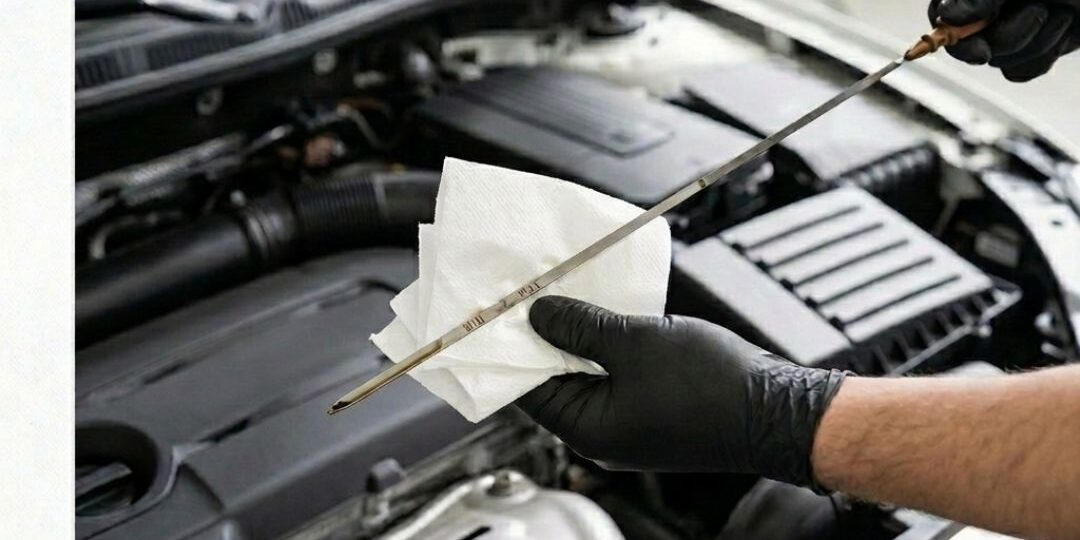
Maintaining your vehicle’s engine health is one of the most critical responsibilities for any car owner in Pakistan. Whether you drive a daily commuter or a high-performance vehicle, engine oil acts as the lifeblood of your car, lubricating moving parts and reducing friction that causes premature wear. While many drivers rely solely on their dashboard indicators, knowing how to manually check your engine oil level at home is a fundamental skill that saves money and prevents catastrophic engine failure.
When you take the time to inspect your oil, you aren’t just checking a gauge; you are monitoring the health of your engine. Regular checks allow you to spot potential leaks or excessive consumption long before they turn into expensive repair bills.
Why Routine Oil Inspection Matters for Your Vehicle
Modern engines are marvels of engineering, but they remain sensitive to lubrication quality and volume. If your oil level drops too low, the engine begins to run hot, leading to increased friction and potential internal damage. Conversely, running an engine on degraded or insufficient oil can lead to sludge buildup, which restricts flow and forces the oil pump to work harder than necessary.
In the climate of Pakistan, where extreme heat and stop-and-go traffic are common, oil tends to oxidize faster. This makes the ability to check your engine oil level at home a vital habit. It empowers you to make informed decisions about when to schedule professional maintenance. If you are already looking for ways to extend your vehicle’s lifespan, you should explore these expert oil change tips for longer engine life to ensure your engine remains responsive and efficient throughout its service life.
Preparing to Check Your Oil
Before you begin, safety and accuracy are your top priorities. Never attempt to check your oil while the engine is running or immediately after a long drive. When the engine is hot, oil expands, and pressure levels inside the system can be misleading. Furthermore, the dipstick and surrounding engine components can reach temperatures that cause severe burns.
Park your vehicle on a perfectly level surface. If the car is parked on an incline or a steep driveway, the oil in the reservoir will shift, leading to an inaccurate reading. Once the engine is cool, ideally after the car has been sitting for at least 15 to 20 minutes, you are ready to proceed with the inspection. This cool-down period allows the oil to drain back down into the oil pan, giving you a true measurement of the remaining volume.
Step-by-Step Guide to Checking Your Oil Level
Open your hood and locate the dipstick. In most vehicles, it is clearly marked with a yellow or orange ring or handle. If you have any trouble finding it, consult your owner’s manual for the exact location, as it varies slightly between engine designs.
Pull the dipstick out completely. You will notice it is coated in oil. Take a clean, lint-free rag or paper towel and wipe the entire length of the dipstick until it is perfectly clean. It is essential to start with a blank slate so you can see the oil line clearly.
Insert the clean dipstick back into the tube until it is fully seated. Ensure it is pushed all the way down, just as it was when you first removed it. Pull it out again and hold it horizontally to prevent the oil from running. Observe where the oil mark falls on the end of the dipstick. You will typically see two notches, dots, or a cross-hatched area. The oil level should fall between these two markers. If the level is near or below the bottom mark, your engine is low on oil and requires immediate attention.
If you realize your oil is consistently low or dark in color, you might need a top-up or a full service from a reliable provider like the Makki Oil Store. A healthy engine will show oil that is translucent or amber in color. If it appears milky, frothy, or black and gritty, this is often a sign of contamination, such as a coolant leak or excessive carbon buildup, and you should seek professional assistance immediately.
Interpreting Your Results and When to Top Up
Understanding what your dipstick is telling you is the final piece of the puzzle. If the oil is at the top mark, your system is properly filled. If it is anywhere between the minimum and maximum lines, your engine is safe to operate. However, if the oil level is at or below the minimum indicator, you must add oil before driving any further.
When topping up, always use the specific grade and type of oil recommended in your owner’s manual. Mixing different viscosities or non-compatible synthetic and conventional oils can negatively affect engine performance. Never overfill your engine, as this can cause the oil to foam, creating air bubbles that prevent proper lubrication. After adding a small amount, usually starting with about 250 ml, wait a few minutes and re-check the level to ensure you are within the safe zone.
Frequently Asked Questions
How often should I check my engine oil level?
It is a good practice to check your engine oil at least once every two weeks or before every long-distance road trip. If your vehicle is older or has higher mileage, checking it more frequently is advisable because older engines are more prone to burning small amounts of oil during normal operation. Developing this habit ensures that you catch small issues before they become major problems.
What does it mean if my oil looks milky or cloudy?
If your oil appears milky, tan, or like a chocolate milkshake, this is a serious warning sign that coolant may be leaking into your engine oil system. This usually indicates a blown head gasket or a cracked engine block. Do not drive the vehicle if you see this, as the coolant will prevent the oil from lubricating the engine properly, which can lead to total engine failure. Contact a mechanic immediately for a professional diagnosis.
Can I check my oil while the engine is still hot?
While it is physically possible, checking the oil while the engine is hot is not recommended for an accurate reading. When oil is hot, it expands, which can make the level appear higher than it actually is. Additionally, you risk burning yourself on hot engine parts. Always wait for the engine to cool down for at least 15 to 20 minutes to ensure the oil has settled in the pan and you get an accurate, safe reading.
What should I do if my oil level is consistently dropping?
If you find yourself frequently adding oil, your engine is likely either burning oil through worn piston rings and valve seals or leaking it onto the ground. First, check your driveway or parking spot for stains to rule out external leaks. If there are no external leaks, your engine is consuming oil internally. In either case, you should have a professional technician inspect the engine to identify the root cause and prevent long-term damage.
Is there a difference between checking synthetic and conventional oil?
The physical process of checking the oil using the dipstick remains the same regardless of whether you are using synthetic or conventional oil. However, synthetic oil generally stays cleaner and maintains its viscosity longer than conventional oil. Regardless of the oil type, you should always follow the oil change intervals specified by your vehicle manufacturer or the guidelines provided by your oil supplier to maintain optimal protection.