


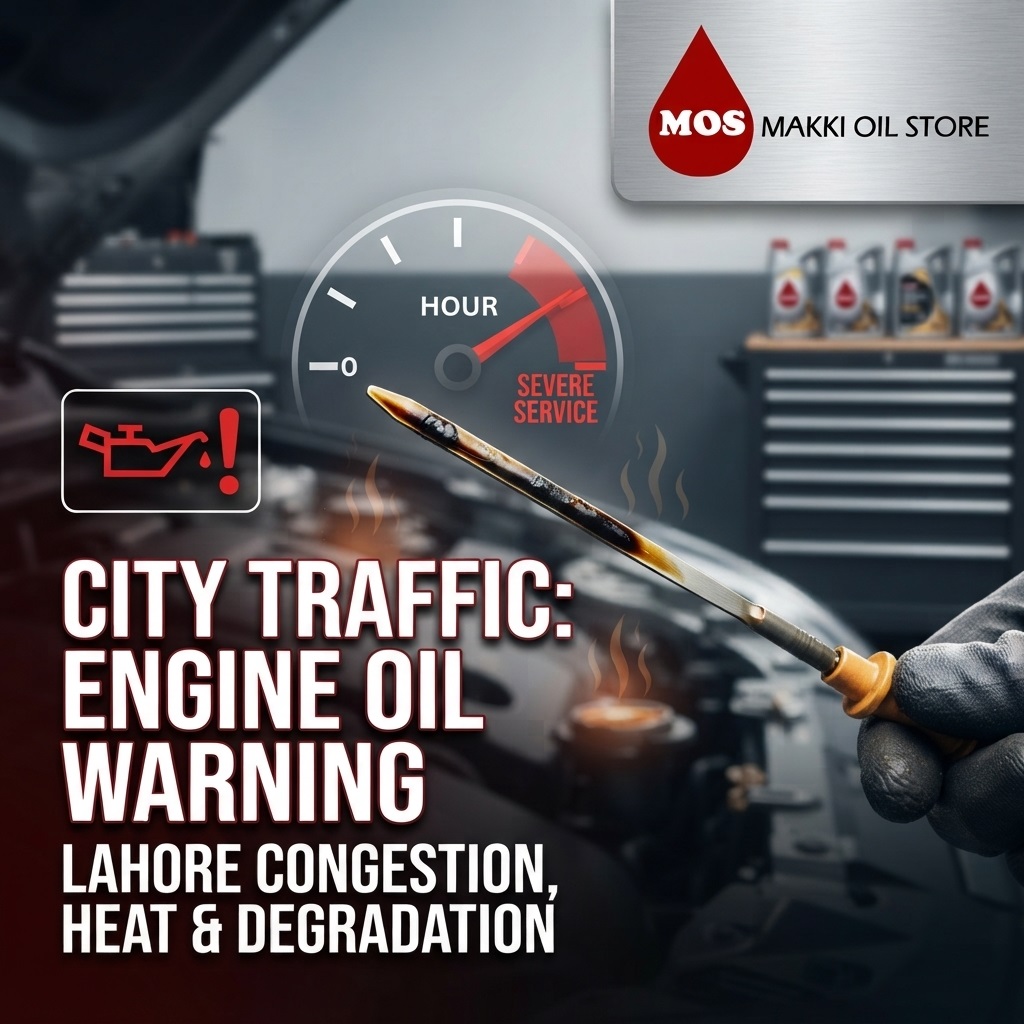
Navigating bumper-to-bumper traffic on congested metropolitan roadways puts an immense, hidden strain on internal combustion engines. While vehicle manuals outline standard maintenance intervals based on smooth highway cruising, driving habits defined by frequent idling, low-speed acceleration, and stop-and-go gridlock fall squarely into severe service categories. In these demanding environments, regular engine oil checks in city traffic become an essential habit rather than an optional chore. Recognizing why urban driving accelerates fluid degradation helps drivers protect their engines against premature wear, sludge formation, and expensive mechanical repairs.
The Hidden Mechanics of Urban Idling and Heat Stress
When a car is caught in heavy gridlock, the engine continues to run and burn fuel while the odometer registers zero distance traveled. This mismatch creates an invisible trap for vehicle lubricants. Extended idling prevents cooling airflow from rushing across the radiator, causing operating temperatures to spike under the hood.
Without steady highway airflow, the lubricant experiences intense thermal stress that thins its molecular structure and exhausts its detergent additives much faster than normal. To understand how prolonged urban delays break down protective fluid films over time, motorists can examine expert analyses detailing how long traffic jams of Lahore damage engine oil to appreciate the severe physical toll exacted by metropolitan congestion.
Fuel Dilution and Soot Contamination in Congested Driving
Stop-and-go commuting also introduces another silent threat: fuel dilution. When an engine runs at low speeds or idles repeatedly without reaching ideal operating temperatures, small amounts of unburned fuel wash down past the piston rings and mix directly into the oil pan. This liquid fuel thins the lubricant, lowering its viscosity index and stripping away the protective cushion that keeps metal parts from grinding together.
Furthermore, incomplete combustion produces fine carbon soot that settles into the fluid, darkening it rapidly and turning clean oil into an abrasive paste. To counter these compounding urban stressors, vehicle owners must adjust their service routines by following professional recommendations on how often you should change engine oil in Lahore’s traffic to ensure optimal engine protection year-round.
| Driving Condition | Engine Hour Accumulation | Thermal Stress Level | Fluid Longevity Impact |
| Open Highway Cruising | Low relative to distance | Moderate and stable | Full manufacturer interval lifespan |
| Mixed Suburban Commuting | Moderate | Variable | Slight reduction in additive effectiveness |
| Heavy Urban Gridlock | High relative to distance | Extreme and prolonged | Rapid depletion; requires early oil checks |
Adopting a Proactive Maintenance Routine for City Cars
Relying solely on high-mileage stickers when your car spends hours idling in city queues is a primary cause of premature engine wear. Proactive vehicle maintenance requires pulling the dipstick regularly to check fluid color, consistency, and level between scheduled service appointments.
At the Makki Oil Store, our expert technicians advise city commuters to inspect their engine oil levels bi-weekly and shorten total oil change intervals when driving primarily in dense urban traffic, ensuring your engine stays shielded against heat and contamination.
Frequently Asked Questions
Why does city driving cause engine oil to degrade faster than highway driving?
City driving involves constant acceleration, deceleration, and extended idling, which accumulate engine operating hours without adding odometer miles. This lack of airflow raises engine temperatures, accelerates chemical oxidation, and causes unburned fuel to dilute the oil, wearing out its protective additives much faster than steady highway cruising.
How often should I check my oil level if I drive daily in heavy traffic?
If your daily commute involves heavy stop-and-go urban traffic, it is recommended to check your engine oil level at least once every two weeks or every 1,000 kilometers. Frequent checks help you catch minor oil consumption early before it leads to low fluid pressure and engine damage.
What are the signs that urban traffic has ruined my engine oil?
Warning signs include a dark, pitch-black color accompanied by a burnt odor on the dipstick, increased engine noise or tappet ticking during startup, a slight decrease in fuel efficiency, and sluggish throttle response when accelerating out of traffic stops.
Does synthetic oil resist city traffic stress better than conventional oil?
Fully synthetic engine oils possess superior molecular stability and stronger resistance to thermal breakdown and fuel dilution compared to conventional mineral oils. They maintain their protective viscosity across wider temperature ranges, making them ideal for heavy stop-and-go driving.
Can low engine oil caused by traffic idling damage my engine?
Yes, running low on oil during heavy traffic can lead to inadequate lubrication of vital components like camshafts and bearings. This oil starvation causes metal-to-metal friction, overheating, and catastrophic engine failure if left unaddressed.