
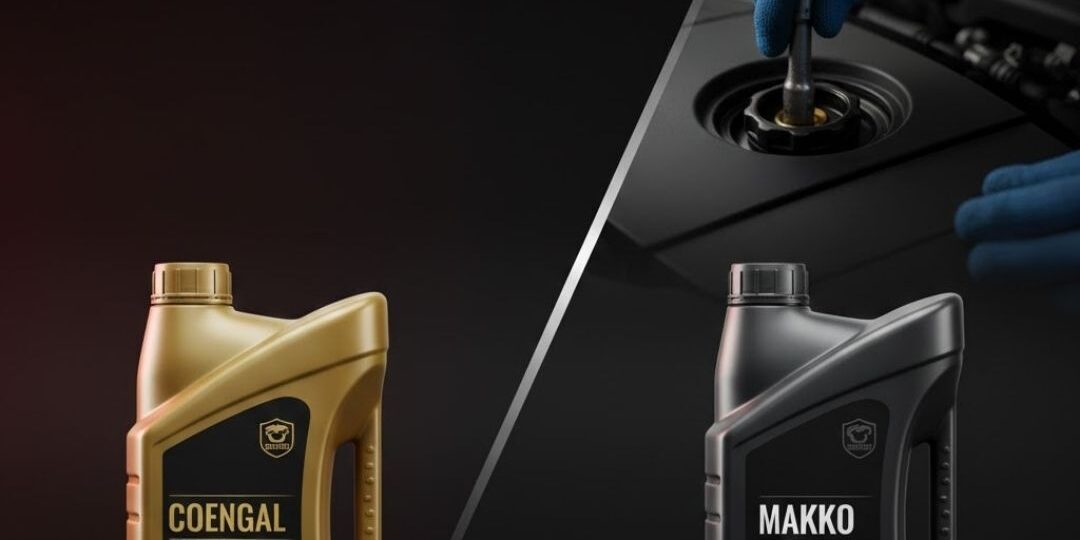
You hand over your car for an oil change, stand there trusting the mechanic, and drive away feeling confident. But after a few days, the engine starts sounding slightly louder, the pick becomes weaker, or the mileage drops for no clear reason. You start wondering: Did the mechanic actually use original engine oil, or was I given something fake?
This doubt is extremely common in Lahore because counterfeit engine oils are everywhere. They come in near-perfect packaging, imitate popular brands, and even dishonest mechanics may refill used bottles with poor-quality oil. And because most car owners can’t physically verify what’s being poured into the engine, the confusion becomes even stronger.
The good news is: there are clear signs, checks, and hidden indicators that tell you exactly whether your mechanic used genuine engine oil or not.
And once you learn these simple methods, no one will ever be able to trick you again.
Why Fake Oil Is So Common in Lahore Workshops
Before understanding how to verify oil quality, it’s important to understand the environment. Counterfeit oils circulate heavily in Lahore’s small workshops and roadside mechanics because:
- Fake oil is cheap for sellers
- Packaging can be easily reused
- Customers rarely check seals or grades
- Thin profit margins make mechanics choose the cheapest supplier
But the biggest reason is simple: the customer cannot see what is inside the bottle, and workshops take advantage of that.
This makes it necessary for car owners to learn practical verification steps especially before driving on long routes like Defence Road, Ring Road, or Canal Road.
How to Check If Your Mechanic Really Used Original Engine Oil
1. Check the Bottle Seal Before It Is Opened
Always ask your mechanic to let you inspect the bottle seal before opening it. Genuine engine oil bottles have tamper-proof sealing. If the seal looks loose, uneven, re-glued, or already pierced, it could be a refilled or counterfeit product.
2. Observe the Bottle While the Mechanic Opens It
A trusted mechanic will never hesitate to open the bottle in front of you. If he tries to open it behind the car, inside the workshop, or turns away from your sight, this is a red flag.
3. Smell and Texture Check of the Oil
Original oil has a clean, smooth, slightly sweet petroleum smell and consistent thickness. Fake oil often smells burnt, rubbery, or unusually sharp.
If the oil poured into your engine feels too watery or too thick for its grade, something is wrong.
4. Monitor Your Engine Behavior Over the Next 24–48 Hours
Your engine will tell you the truth even when the mechanic doesn’t. If the oil is genuine, the engine should feel lighter, smoother, and more responsive.
If it’s fake, you may notice:
- Slight heating during traffic
- Heavy pick
- Louder cold-start sound
- Mileage dropping
- Engine feeling “lazy”
Customers who experience sudden fuel efficiency loss often find clarity in Makki Oil’s educational guide on how oil quality affects mileage, which helps understand why fake oils reduce performance dramatically.
Comparison of Original vs Fake Oil After Installation
| Indicator | What Happens with Original Oil | What Happens with Fake Oil |
| Engine Sound | Smooth and quiet | Rough, tapping, or louder |
| Mileage | Stable or improved | Drops within days |
| Heating | Controlled, even in traffic | Rises quickly |
| Start-Up Response | Light and responsive | Heavy, delayed, or shaky |
| Oil Colour (After 300–500 km) | Slightly darker, still clean | Extremely dark or burnt |
5. Check the Oil Level and Color After a Few Days
Genuine oil darkens slowly and maintains proper thickness. Fake or recycled oil burns faster and becomes extremely dark within a short distance.
If your dipstick shows dark, watery-looking oil within the first week, it’s a sign of low-quality lubricant.
6. Watch How Quickly the Oil Burns
Fake oil evaporates quickly because it lacks proper additives. If your engine begins consuming oil too soon after the oil change, the product was not genuine.
7. Verify the Grade Written on the Bottle
Sometimes the oil is original but the mechanic uses the wrong grade, which can mimic the symptoms of fake oil.
For example:
Cars needing 5W-30 but receiving 20W-50 instantly feel heavier and hotter.
Why Mechanics Use Fake Oil (and How You Can Detect It)
| Mechanic’s Tactic | What Actually Happens | How You Detect It |
| Refilling old bottles | Customers think they received new oil | Broken seal, uneven cap |
| Opening bottle away from you | Hides fake or mixed oil | Ask to open in front of you |
| Pouring from gallon into bottle | Easy to mix fake oil | Check bottle seal every time |
| Wrong oil grade | Causes heat and poor mileage | Verify 5W-30, 10W-40, etc. yourself |
| Fast oil change (5 minutes) | Oil was not fully drained | Car feels heavy afterward |
Why Getting Oil Change from Makki Oil Protects You from All This Doubt
Makki Oil operates differently from typical workshops. Every oil container is opened in front of you, every seal is checked openly, and the oil is poured directly from branded bottles in full view.
The team works with verified distributors, ensuring that every product placed in your car is genuine, fresh, and suitable for your engine.
It’s the reason so many drivers from Defence Road, Bahria Town, and Wapda Town trust Makki Oil for oil changes; they know exactly what is going into their engine. You can learn more about their services and branches through the official Makki Oil website.
FAQs ( Frequently Asked Questions)
Q1: How do I know if my mechanic used fake oil?
Engine noise, quick heating, poor mileage, and unusually dark oil within days are clear signs.
Q2: Can fake oil damage the engine quickly?
Yes, fake oil breaks down fast and causes internal wear within weeks.
Q3: Should I stand next to the mechanic during the oil change?
Yes, always. It’s your right to see the bottle unsealed.
Q4: Does fake oil affect mileage?
Definitely. Fuel efficiency drops noticeably after a few drives.
Q5: What’s the safest way to avoid fake oil?
Get your oil changed from a verified, trusted service provider like Makki Oil.