
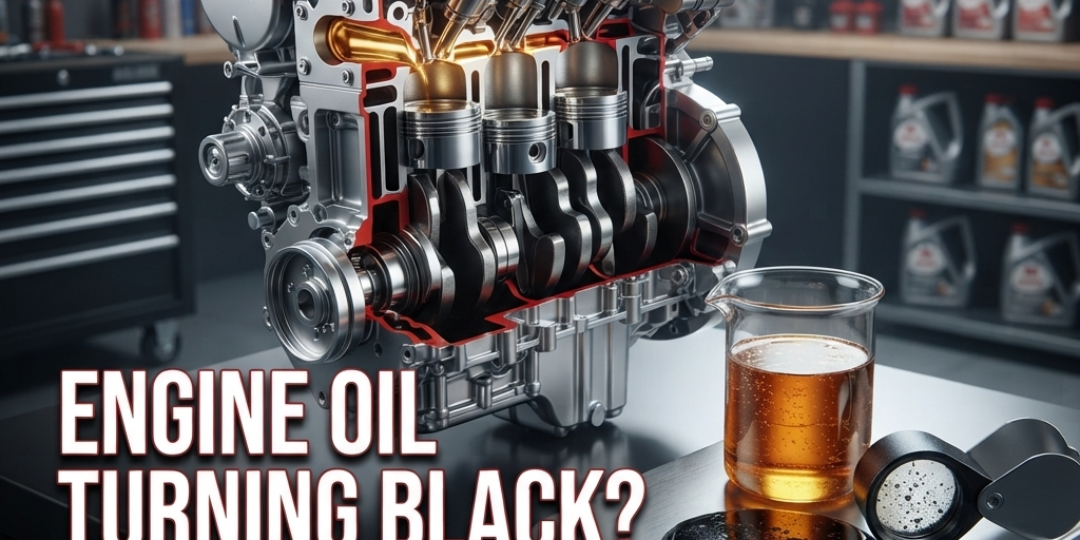
Pulling out your car’s dipstick during a routine check and finding pitch-black fluid can cause immediate alarm for many vehicle owners. A common misconception is that dark or black lubricant automatically signals a failing engine or an immediate emergency. In reality, a color change is often a natural part of an oil’s normal operational cycle. However, wondering why my engine oil is turning black so quickly is entirely valid, especially when the darkening happens just a few hundred kilometers after a fresh service in demanding driving conditions.
The Normal Deterioration vs. Accelerated Contamination
Engine oil performs multiple critical duties, including lubrication, cooling, cleaning, and sealing. As the fluid circulates through a running engine, its built-in detergent and dispersant additives actively lift microscopic soot, carbon deposits, and combustion byproducts off internal surfaces. These suspended particles are kept harmlessly floating in the fluid rather than settling into harmful sludge. Because modern engines generate a vast amount of microscopic soot, particularly diesel motors and direct-injection gasoline units, clean oil can turn dark brown or completely black within days of an oil change simply because it is doing its job correctly.
Despite this normal cleaning process, unusually rapid darkening combined with changes in fluid viscosity can indicate underlying issues such as blow-by, worn piston rings, or overdue filter changes. To evaluate whether your dark fluid is a sign of normal additive function or an actual mechanical failure, it helps to learn how to tell if your engine oil needs changing right now by checking consistency, smell, and mileage markers. Distinguishing between normal discoloration and heavy contamination prevents unnecessary panic while ensuring you service your vehicle at the correct operational intervals.
Local Driving Pressures and Preventive Care
Operating a vehicle in Pakistan introduces unique environmental challenges that accelerate how fast oil picks up contaminants. Heavy urban traffic congestion forces engines to idle for hours, increasing soot production and thermal stress. Furthermore, fine road dust that bypasses compromised air intakes mixes directly with the lubricant, darkening the fluid and increasing abrasive wear.
At the Makki Oil Store, we frequently advise drivers to look beyond color when assessing oil health, focusing instead on texture, opacity, and service history. If the fluid feels gritty between your fingers, emits a strong burnt odor, or has thickened significantly, it requires immediate replacement regardless of how many kilometers remain on your sticker. Regular checks and clean filters ensure your engine stays protected against premature wear.
Frequently Asked Questions
Is black engine oil always a sign that something is wrong with my car?
Black engine oil is not automatically a sign of a mechanical problem or impending engine failure. In normal operation, detergent and dispersant additives in the oil capture microscopic soot, carbon, and combustion byproducts, holding them safely in suspension to prevent sludge buildup. Because even a small amount of suspended soot can darken clear amber oil completely, a dark color often proves that the lubricant is actively cleaning your engine internals just as it was designed to do.
Why does diesel engine oil turn black almost immediately after an oil change?
Diesel engines naturally produce a significantly higher volume of soot and combustion byproducts during normal operation compared to standard gasoline engines. When fresh oil is poured into a diesel motor, the residual soot left behind on internal surfaces immediately mixes with the new fluid. Within just a few kilometers of driving, these suspended carbon particles turn the clean oil jet black. This rapid color shift is a standard characteristic of diesel operation and does not mean the fresh oil has lost its protective qualities.
How can I tell the difference between normal darkening and dangerous oil contamination?
You can differentiate between normal oil darkening and dangerous contamination by evaluating the physical texture and consistency of the fluid rather than just its color. Pull the dipstick and rub a drop of oil between your fingers; if it feels smooth and slick, it is likely performing normally despite its dark appearance. However, if the oil feels gritty, appears milky or frothy, smells heavily of gasoline or burnt material, or leaves a thick residue, it indicates severe contamination, fuel dilution, or coolant leakage that requires urgent attention.
What causes engine oil to degrade and darken much faster than normal?
Several factors can cause engine oil to break down and darken prematurely, including extreme operating temperatures, frequent short-trip driving, heavy towing, and prolonged stop-and-go traffic congestion. When an engine runs hot or experiences constant idling, the base oil and additives oxidize at an accelerated rate. Additionally, a clogged or poor-quality air filter allows fine abrasive dust to enter the combustion chambers and mix with the oil, drastically increasing internal friction, soot generation, and fluid degradation.
When should I actually change my oil based on condition rather than color?
You should base your oil change intervals on a combination of manufacturer mileage recommendations, operating time, and physical fluid evaluation rather than visual color alone. If you drive in severe conditions like heavy city traffic or dusty environments, changing your oil more frequently is wise. Always replace the oil if you notice a drop in fuel economy. increased engine noise, a burning smell, or if the oil viscosity has broken down and failed the physical dipstick texture test.