Standing in front of a shelf filled with various bottles of engine oil can be a confusing experience for any vehicle owner in Lahore. You might see different numbers, colors, and labels, all promising to protect your engine. However, understanding the specific types of oil available is the first step toward maintaining your vehicle’s health and avoiding expensive workshop visits. The oil you choose acts as the primary defense against friction, heat, and internal wear.
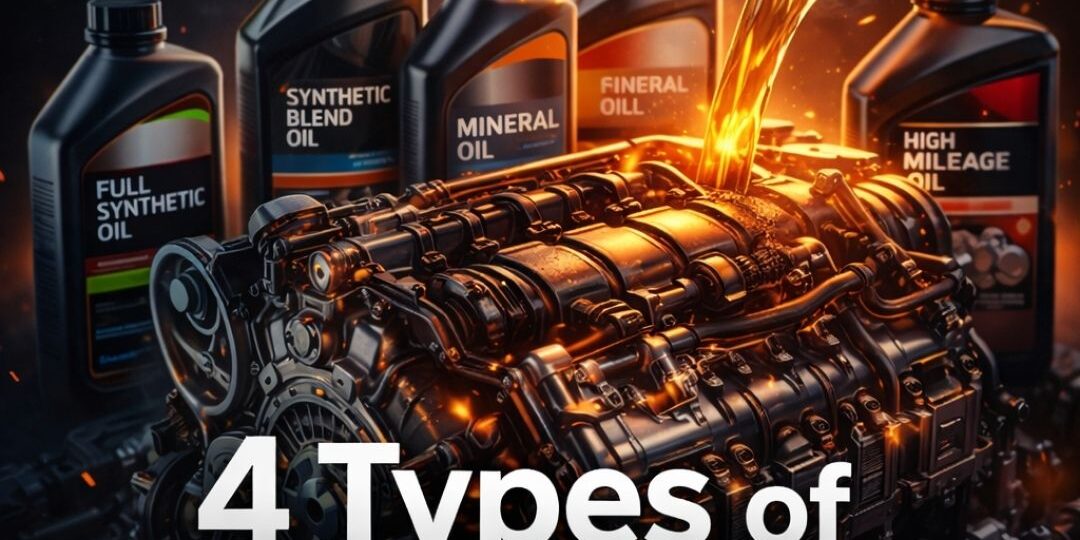
In a city like Lahore, where stop-and-go traffic in areas like Liberty Market or Gulberg can cause engines to run hot, the right lubrication makes all the difference. While there are dozens of brands, the industry generally categorizes lubricants into four distinct groups. Selecting the right one depends on your car’s age, your driving habits, and the specific manufacturer recommendations provided by Makki Oil Store.
1. Full Synthetic Engine Oil
Fully synthetic engine oil is the pinnacle of modern lubrication technology. Unlike traditional oils, it is chemically engineered in a laboratory to have a consistent molecular structure. This uniformity means that the oil remains stable even under extreme stress. In the blistering summer heat of Lahore, synthetic oil does not break down or evaporate as quickly as other varieties.
This type of oil is designed for high-performance engines and newer models that require precise lubrication. It flows better at low temperatures, ensuring that your engine is protected the moment you turn the key on a chilly winter morning. Furthermore, it contains advanced additives that provide superior sludge and deposit control, keeping the internal components of your engine as clean as possible for longer durations. For those looking for maximum engine performance oil, full synthetic is usually the top recommendation.
2. Synthetic Blend (Semi-Synthetic) Oil
For many drivers, semi-synthetic engine oil offers a balanced middle ground between high performance and cost-effectiveness. As the name suggests, it is a mixture of synthetic and conventional base oils. This blend provides significantly better protection than mineral oil alone, particularly during heavy engine loads and high temperatures.
Choosing a semi-synthetic option is a smart move for drivers who want better protection without the premium price tag of a full synthetic. It is a very popular choice for daily commuters in Lahore who deal with dusty conditions and frequent idling in traffic. By incorporating synthetic elements, these oils offer improved resistance to oxidation and better low-temperature properties than traditional mineral-based products.
3. Conventional Mineral Oil
Conventional oil is derived directly from refined crude oil and is the most basic of the motor oil types. It is generally the most affordable option and is perfectly suitable for older vehicle models with simple engine designs. If you follow a strict and frequent oil change interval, mineral oil can provide adequate protection for standard driving conditions.
However, in a demanding environment, mineral oil has its limitations. It tends to thin out more quickly under extreme heat and can lead to the formation of engine sludge if left in the reservoir too long. While it is the traditional choice, many modern vehicles now require the more advanced properties found in synthetic blends to meet fuel efficiency standards and emissions regulations. Just as you should understand car transmission oil types and specs every driver should know to keep your gear shifts smooth, knowing the limits of mineral oil is essential for engine longevity.
4. High-Mileage Oil
The fourth category is specifically formulated for vehicles that have traveled more than 100,000 kilometers. As an engine ages, its seals can become brittle and shrink, leading to oil leaks or increased oil consumption. High-mileage oil contains special seal conditioners and “swell agents” that help restore the flexibility of internal gaskets.
If you are driving an older car through the busy streets of Lahore and notice a bit of blue smoke or a slight drop in oil levels between changes, this might be the right selection for you. These oils often have a slightly higher viscosity and extra anti-wear additives to provide a thicker protective cushion for aging metal components. Selecting this specialized engine lubrication type can significantly extend the life of an older motor.
Understanding Oil Viscosity and Selection
Beyond the four categories, you will often see codes like 5W-30 or 10W-40. This refers to the oil’s viscosity—or its thickness. The first number (followed by a ‘W’ for Winter) indicates how the oil flows in cold weather, while the second number shows how it performs at operating temperatures. For instance, 5W-30 vs 10W-40 oil represents a difference in flow; the 5W-30 is thinner and flows more easily in the cold, whereas 10W-40 provides a bit more “body” in higher heat.
In Lahore’s climate, finding the right balance is key. A thinner oil might improve fuel economy in a new car, but a slightly thicker oil might be necessary for a heavy-duty van or a hard-working motorcycle. Always check your owner’s manual for the specific oil selection for vehicles to ensure you aren’t using a grade that is too thin or too thick for your specific engine design.
Frequently Asked Questions
Can I switch from mineral oil to fully synthetic engine oil?
Yes, in almost all modern vehicles, you can safely switch from mineral oil to a full synthetic. In fact, making the switch often provides better protection and can even help clean out some of the deposits left behind by conventional oil. However, if you are driving a very old car that has only ever used mineral oil, it is a good idea to monitor for any minor leaks, as the superior cleaning properties of synthetic oil can sometimes remove old grime that was actually “clogging” a pre-existing leak in a worn seal.
How do I know which of the engine oil types is best for my car?
The most reliable way to determine the correct oil type is to refer to your vehicle’s owner’s manual. Manufacturers conduct extensive testing to find the exact viscosity and oil type that maximizes the lifespan of their specific engine. Using an oil that doesn’t meet these specifications can lead to reduced fuel economy or, in some cases, internal engine damage. If you no longer have your manual, a professional service technician at a reputable workshop in Lahore can look up the requirements based on your car’s make, model, and engine size.
Why is semi-synthetic engine oil so popular in Lahore?
Semi-synthetic oil is a favorite in Lahore because it offers a “best of both worlds” solution. It provides many of the protective benefits of synthetic oil—such as better heat resistance and cleaner operation—at a price point that is much closer to conventional mineral oil. Given the dusty environment and the high ambient temperatures of the city, a semi-synthetic blend offers the extra durability needed to handle tough driving conditions without the higher expense associated with a 100% fully synthetic product.
Does high-mileage oil actually stop oil leaks?
High-mileage oil is not a “magic fix” for a broken engine, but it is highly effective at managing minor seeping. It contains specialized additives that cause internal rubber seals and gaskets to slightly swell and regain their elasticity. If your engine is losing oil because the seals have simply hardened over time, high-mileage oil can significantly reduce or even stop the leak. However, if there is a physical crack in a metal component or a completely blown gasket, no oil will be able to fix the problem; a mechanical repair will be necessary.
Is it okay to mix different types of oil?
While it is technically possible to mix different oil types—such as adding a liter of synthetic to a car that currently has mineral oil—it is not recommended as a standard practice. Mixing oils can dilute the effectiveness of the specific additive packages found in each. If you are low on oil and in an emergency, it is better to add a different type of oil than to drive with a low oil level. However, you should aim to have a full oil change as soon as possible to ensure your engine is running on a consistent, high-quality lubricant.
What is the difference between synthetic vs mineral oil performance?
The primary difference lies in how the oils handle heat and friction over time. Synthetic oils are designed to be more chemically stable, meaning they don’t break down as easily when exposed to the high internal temperatures of an engine. Mineral oils, while effective for basic lubrication, contain more impurities and inconsistent molecular sizes, which leads to faster degradation. This results in synthetic oils offering longer drain intervals and better engine cleanliness compared to their mineral counterparts, especially in harsh climates.