

While vehicle owners across Pakistan frequently focus their maintenance efforts on seasonal oil changes and tire checks, cooling system upkeep often takes a backseat until a roadside breakdown occurs. As autumn transitions into cooler winter mornings especially in northern regions and upper Punjab thermal shifts place unique demands on internal combustion engines. Performing a proper coolant flush before temperatures drop ensures your vehicle operates at peak thermal efficiency, preventing both freezing blockages and destructive internal corrosion.
The Chemistry of Coolant and Seasonal Stress
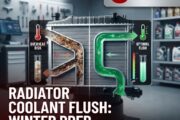
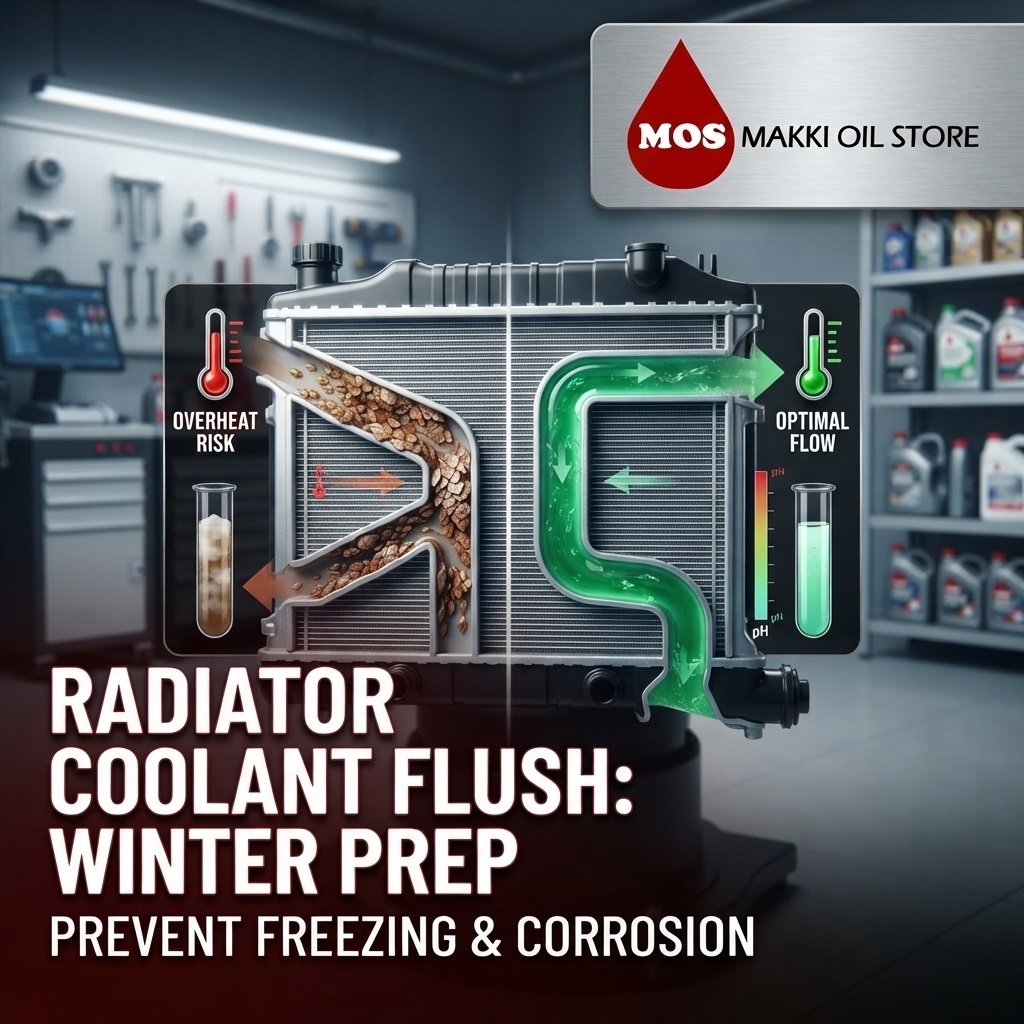
Many drivers mistakenly believe that radiator fluid is only necessary during blistering summer months to prevent overheating. In reality, modern antifreeze-coolant formulations serve a dual purpose: raising the boiling point in extreme heat and lowering the freezing point while inhibiting rust when ambient temperatures plummet. Over continuous operating cycles, the corrosion inhibitors present in the fluid break down, turning the mixture acidic.
This chemical degradation eats away at aluminum radiator cores, water pump impellers, and cylinder head gaskets. If neglected, the resulting metallic sediment chokes narrow coolant passages, restricting flow in ways similar to what happens when motorists ignore routine lubrication care, as detailed in discussions regarding what happens to your car when you don’t change your engine oil.
Why Cold Weather Exposes Cooling System Neglect
When winter mornings arrive, engines face thermal shock upon startup. If your radiator contains stagnant, mineral-heavy tap water or degraded coolant, localized freezing can occur inside the block before the thermostat opens. Ice expansion inside cooling channels creates immense pressure, frequently cracking engine blocks or radiator tanks. Furthermore, a neglected cooling system fails to transfer heat efficiently to your cabin heater core, leaving you shivering during early morning commutes.
Delaying necessary fluid servicing compounds these risks exponentially over time. Vehicle owners can understand the broader mechanical consequences of postponing essential fluid maintenance by exploring insights on what happens if you delay an oil change, which highlights how deferred upkeep triggers chain-reaction failures across dependent systems.
| Coolant Condition | Impact on Winter Operation | Recommended Service Action |
| Old, Acidic Fluid | Internal corrosion and scaling in radiator tubes | Complete system flush and chemical cleaning |
| Diluted Water Mix | Risk of localized freezing and block cracking | Refill with precise 50/50 antifreeze-water ratio |
| Low Fluid Level | Air pockets and inadequate cabin heater warmth | Pressure test system, bleed air, and top off |
Step-by-Step Coolant System Preparation
Executing a thorough radiator flush requires methodical steps to purge contaminated fluid entirely before introducing fresh antifreeze protection.
- System Drain: Allow the engine to cool completely, place a secure catch basin beneath the radiator drain cock, and open the valve to empty spent fluid.
- Chemical Flush: Fill the system with clean water and a specialized cooling system flush cleaner, run the engine for ten minutes to dislodge scale, and drain again.
- Thermostat and Hoses Inspection: Inspect rubber hoses for softening or cracking and verify that the thermostat opens correctly at its rated temperature.
- Refilling and Bleeding: Fill the radiator and expansion reservoir with the manufacturer-recommended coolant formulation, running the engine with the heater on to bleed trapped air pockets.
At the Makki Oil Store, our specialists provide expert cooling system diagnostics, premium antifreeze solutions, and comprehensive maintenance services to ensure your vehicle handles seasonal temperature shifts without trouble.
Frequently Asked Questions
How often should I perform a coolant flush on my car?
As a general rule, a complete coolant flush should be performed every 40,000 to 50,000 kilometers, or every two years, depending on the type of coolant used.
Can I just use plain water in my car radiator during winter?
No, plain water lacks anti-freeze properties and will freeze at sub-zero temperatures, leading to cracked engine blocks, while also accelerating internal rust formation.
What are the signs that my car needs a coolant flush?
Signs include a sweet smell inside or outside the vehicle, engine temperature fluctuating abnormally, visible discoloration or floating debris in the overflow tank, and weak cabin heating.
Is it safe to mix different types of coolants?
Mixing different coolant chemistries, such as OAT and IAT formulations, can cause chemical reactions that result in gel formation, clogging your radiator and heater core.
Why is winter preparation important for cooling systems?
Winter prep ensures that your antifreeze concentration is correct, preventing ice expansion damage while ensuring your defroster and cabin heating systems function reliably.