

Modern internal combustion engines rely on precise electronic fuel delivery systems to atomize gasoline or diesel into microscopic droplets, ensuring clean combustion and optimal power output. Over thousands of kilometers of driving, however, the intense heat of the combustion chamber and varnish deposits present in regional fuels can clog these delicate injector nozzles. When spray patterns degrade, vehicle performance suffers immediately. Investing in a professional injector cleaning service restores proper fuel atomization, enhances fuel economy, and brings back the smooth, responsive acceleration your vehicle was designed to deliver.
The Science Behind Fuel Injector Clogging and Spray Distortion
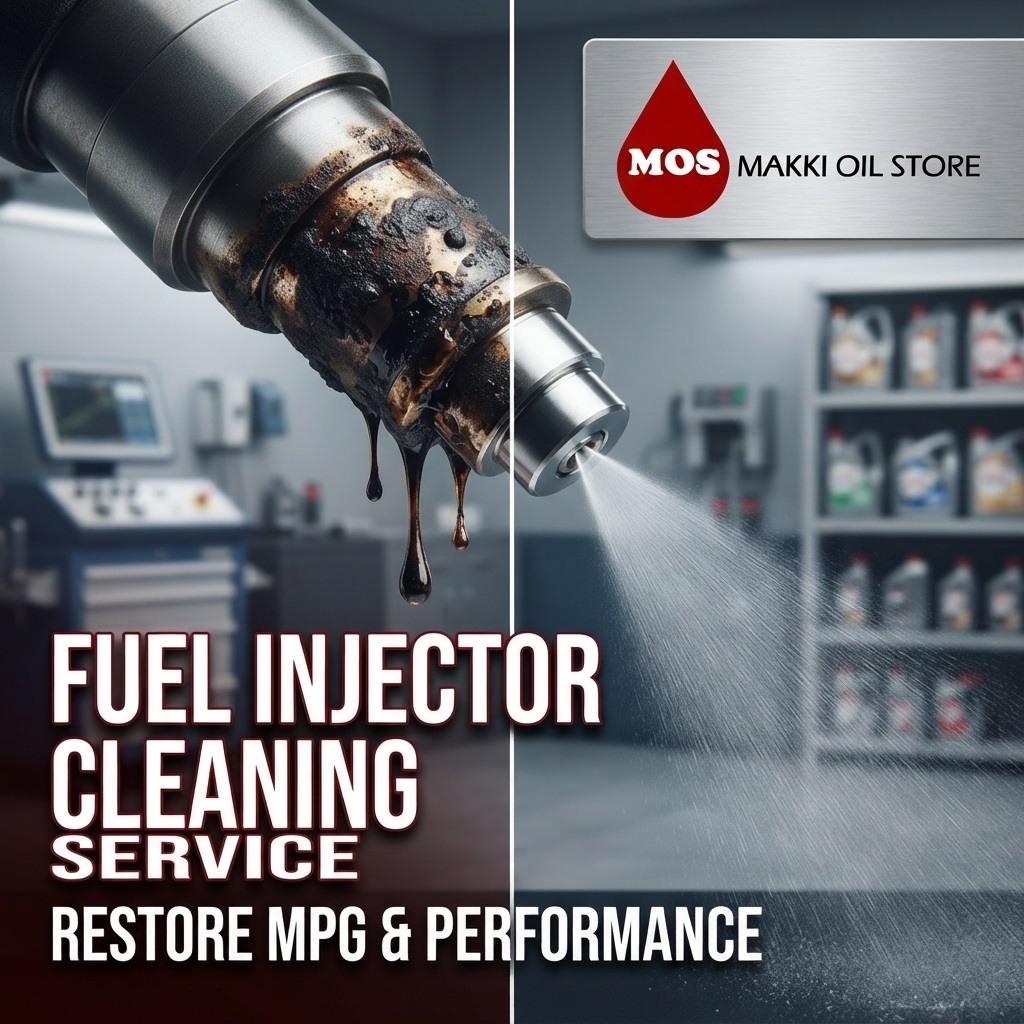
Fuel injectors operate under extreme pressure and temperature, opening and closing millions of times to deliver exact fuel quantities into the intake manifold or combustion chamber. When a vehicle is shut down, residual heat bakes the remaining fuel droplets on the injector tip, leaving behind a hard carbon crust known as carbon coking. This buildup distorts the spray pattern, turning a fine, cone-shaped mist into uneven, heavy streams that fail to burn completely.
Unburned fuel washes down cylinder walls, dilutes engine oil, and wastes precious energy, directly reducing miles per gallon. To restore peak combustion efficiency and prevent progressive internal damage, local motorists can visit specialized workshops by checking out this car injector cleaning guide to have expert technicians restore factory fuel spray patterns.
How Ultrasonic and On-Car Cleaning Restores Performance
Professional maintenance goes beyond pouring temporary additive bottles into a full gas tank. Advanced workshops utilize dedicated ultrasonic cleaning baths and pressurized flush machines to break down stubborn varnish deposits trapped inside the tiny micro-filters and pintle valves of each injector.
- Flow Rate Testing: Technicians measure exact fuel delivery volumes across all injectors to ensure balanced distribution to every cylinder.
- Spray Pattern Analysis: Specialized test benches display the physical atomization cone under high pressure, identifying any remaining stream distortions.
- Leak Inspection: Technicians pressurize the fuel rail while injectors are closed to detect microscopic seal leaks that cause hard starting and rough idling.
| Maintenance Method | Cleaning Effectiveness | Scope of Service | Recommended Frequency |
| Fuel Tank Additive Bottles | Low to moderate | Cleans light surface varnish temporarily | Every 5,000 to 10,000 km |
| On-Car Pressurized Flush | High | Cleans fuel rail and injector tips effectively | Every 20,000 to 30,000 km |
| Ultrasonic Bench Cleaning | Maximum restoration | Complete disassembly, ultrasonic bath, and flow testing | Every 40,000 to 50,000 km |
Recognizing the Warning Signs of Dirty Injectors
Catching injector contamination early prevents secondary damage to expensive components like oxygen sensors and catalytic converters. When nozzles become partially blocked, engines exhibit distinct behavioral changes that signal an immediate need for professional intervention.
- Rough Idling and Engine Misfires: The vehicle shakes or stumbles while stopped in traffic due to unequal air-fuel mixtures across cylinders.
- Sluggish Throttle Response: Hesitation or a noticeable delay when pressing the accelerator pedal to speed up.
- Decreased Fuel Economy: Needing to refuel more frequently despite maintaining identical daily driving habits.
- Black Exhaust Smoke: Unburned fuel exiting the tailpipe during heavy acceleration caused by poor atomization.
At the Makki Oil Store, our expert technicians utilize advanced diagnostic equipment to test, clean, and restore fuel injectors, ensuring your engine runs efficiently and powerfully across every journey.
Frequently Asked Questions
What causes fuel injectors to get clogged over time?
Fuel injectors clog due to heat soak during engine shutdown, which bakes liquid fuel left on the injector tips and leaves behind carbon varnish deposits. Additionally, impurities and microscopic contaminants present in commercial fuels gradually accumulate inside the tiny injector nozzle holes.
How often should I get my car fuel injectors cleaned?
Under normal driving conditions and using standard regional fuels, it is recommended to have your fuel injectors professionally cleaned and flow-tested every 30,000 to 40,000 kilometers to maintain optimal fuel efficiency and engine smoothness.
Can dirty fuel injectors cause my check engine light to turn on?
Yes, severely clogged or leaking injectors cause cylinder misfires and incorrect air-fuel ratios, which are detected by the vehicle’s oxygen sensors and engine control unit, triggering the check engine light on your dashboard.
Are pour-in fuel injector cleaner additives effective?
Pour-in fuel additives are great for routine preventive maintenance and cleaning light surface varnish, but they cannot remove heavy carbon buildup or unblock severely clogged injector pintle valves. Stubborn blockages require professional ultrasonic bench cleaning.
How does cleaning fuel injectors improve fuel economy?
When fuel injectors are clean, they atomize fuel into a fine mist that burns completely and efficiently in the combustion chamber. This complete combustion extracts maximum energy from every drop of fuel, directly restoring your lost miles per gallon.