

Operating a vehicle in Lahore presents an array of unique challenges for any internal combustion engine. The city’s automotive environment demands maximum resilience from your vehicle, from surviving intense seasonal heatwaves that push temperatures past 45°C to enduring long, idling periods in dense traffic jams around Canal Road or Kalma Chowk. Airborne dust and varying local fuel qualities further compound internal engine stress, making routine lubrication maintenance absolutely critical.
While many drivers view a standard oil service as a simple transactional errand, preserving modern engine tolerances requires a more sophisticated approach. Substandard lubricants, improper viscosity choices, or accidental exposure to counterfeit products can quickly lead to costly internal component failures. For vehicle owners across the region, understanding how a dedicated service facility establishes strict operational safeguards reveals what it takes to maintain reliable, long-term performance on local roads.
Technical Benchmarks for Genuine Lubricant Sourcing
The foundation of any effective vehicle maintenance strategy rests entirely on the chemical integrity of the fluid inside the crankcase. The local automotive market faces an ongoing challenge with counterfeit, repackaged, or sub-grade lubricants sold in lookalike branded containers. These imitation fluids lack critical thermal stabilizers, detergents, and anti-wear additives, causing them to shear and transform into a thick, engine-choking black sludge under extreme operational heat.
To eliminate this systemic risk for drivers, a professional service center must enforce an uncompromised, verifiable supply chain. By sourcing inventory directly from authorized manufacturer channels and certified corporate distributors, the facility guarantees that every bottle opened is factory-sealed and globally compliant.
[Authorized Factory Channel] —> [Verifiable Supply Chain] —> [100% Certified Genuine Fluid]
This strict approach ensures access to top-tier international brands including Mobil, Castrol, Shell, and Zic giving your engine an robust defense against internal friction and high-temperature oxidation.
Advanced Fluid Selection Tailored to Regional Driving Profiles
Modern automobile engines are not uniform; they feature completely different mechanical architectures based on production years, displacement, and performance goals. For instance, a modern, highly efficient 660cc Suzuki Alto or a sophisticated Toyota Corolla Hybrid utilizes microscopic physical clearances between its moving parts. These advanced systems require low-viscosity, ultra-thin synthetic fluids like 0W-20 or 5W-30 to flow instantly during cold starts and reduce internal parasitic fluid drag.
Conversely, high-mileage sedans or older generation SUVs feature wider physical tolerances between internal bearings and piston rings. These vehicles require a sturdier chemical cushion, typically found in premium 10W-40 or 15W-40 multi-grade formulations, to maintain correct compression seal parameters and curb oil consumption.
Rather than relying on generic guesswork, professional technicians analyze your specific engine code, factory manual recommendations, and total odometer mileage. To see how these customized selection methods actively protect your car’s powertrain over time, it is highly useful to evaluate how to ensure optimal engine health with the best oil change in Lahore before booking your next pit stop.
Specialized Mechanical Execution Standards
A reliable fluid service involves much more than simply draining an oil pan and pouring in fresh fluid. True quality engine care requires a meticulous, systematic process executed by trained technicians who understand how internal hydraulic networks operate.
1. Complete Extraction and Thermal Management
Engines must be brought to the correct temperature before draining to ensure that suspended carbon soot, microscopic metal shavings, and road dust contaminants are fully held in fluid suspension and completely flushed out of the crankcase. Roadside extraction setups often leave heavy, settled debris sitting at the bottom of the oil pan, instantly contaminating the new oil charge.
2. Mandatory Filtration Maintenance
The internal oil filter is your engine’s primary line of defense against abrasive wear. Leaving a clogged filter in place forces its internal safety bypass valve to open, allowing raw, unfiltered grit to recirculate straight through your engine bearings. Technicians change the filter at every interval using certified replacements, ensuring the clean oil charge remains completely uncompromised.
3. Comprehensive Multi-Point Verification
Every professional fluid change includes a detailed visual check of the engine bay. Technicians inspect the positive crankcase ventilation (PCV) system, check air filter restriction levels, and torque the oil pan drain bolt to precise factory specifications using proper sealing washers to eliminate the risk of slow, hidden leaks.
Transparent Operations and Accessible Maintenance Hubs
A major source of anxiety for local car owners is the lack of clarity surrounding workshop pricing and service execution. Too often, drivers face hidden diagnostic fees, unapproved part replacements, or arbitrary labor surcharges at conventional repair shops. True automotive trust is built on clear communication, straightforward flat-rate pricing structures, and showing customers the empty, factory-sealed oil bottles used during their service.
+————————————————————————+
| PROFESSIONAL SERVICE ADVANTAGE |
+————————————–+———————————+
| Premium Technical Standards | Full Upfront Pricing Clarity |
+————————————–+———————————+
| No Roadside Guesswork | Fully Monitored Service Bays |
+————————————–+———————————+
Convenience also plays a vital role in consistent vehicle care. When maintenance centers are difficult to access or require hours of waiting, drivers tend to delay their service intervals, exposing their engines to prolonged oil degradation.
By strategically placing modern, fully equipped service bays across key urban locations, the Makki Oil Store provides drivers with seamless access to professional, highly efficient oil changes. These state-of-the-art service points make it easy to keep your vehicle running smoothly, safely, and at peak fuel efficiency throughout the year.
Frequently Asked Questions
Why does my vehicle’s engine require a shorter oil change interval when driven exclusively within Lahore?
Driving exclusively within urban areas involves constant stop-and-go idling, short trips under ten kilometers, and continuous operation in dusty environments. Automotive manufacturers classify these habits as “severe driving conditions” because extended idling generates intense internal heat without the cooling airflow that comes with highway driving. This accelerates fluid oxidation and thermal breakdown even if you aren’t accumulating many kilometers on your odometer, making more frequent changes necessary.
What is the specific mechanical risk of using an incorrect engine oil viscosity grade?
Using an incorrect viscosity grade can disrupt the precise fluid dynamics your engine design requires. If you use a fluid that is too thick in a modern engine built for ultra-thin oil, the fluid cannot flow fast enough into narrow oil channels during cold starts, causing severe metal-on-metal wear. Conversely, using an overly thin fluid in an older, high-mileage engine can prevent it from forming a strong enough protective film under heat, leading to oil burning and dropped compression.
How do professional oil filters prevent dirty fluid from bypassing the filtration media?
Premium, certified oil filters are engineered with an integrated anti-drainback valve and a calibrated steel pressure relief bypass valve. The anti-drainback valve keeps oil trapped inside the filter when the engine is turned off, ensuring immediate lubrication pressure the next time you start the car. The pressure relief valve is specifically calibrated to open only during extreme pressure spikes or if the filter media becomes completely clogged, protecting the engine from oil starvation.
Why is it unsafe to purchase unsealed or loose bulk engine oil from unauthorized roadside vendors?
Unsealed or loose bulk oil sold by unauthorized roadside vendors carries a incredibly high risk of contamination and counterfeiting. These products are frequently made from cheap, re-refined waste oil or low-grade industrial lubricants packaged in counterfeit branded containers. They completely lack the necessary anti-wear additives and thermal stabilizers required for modern automotive engines, which quickly leads to heavy sludge buildup and major internal engine damage.
What performance indicators suggest that my engine oil has completely broken down?
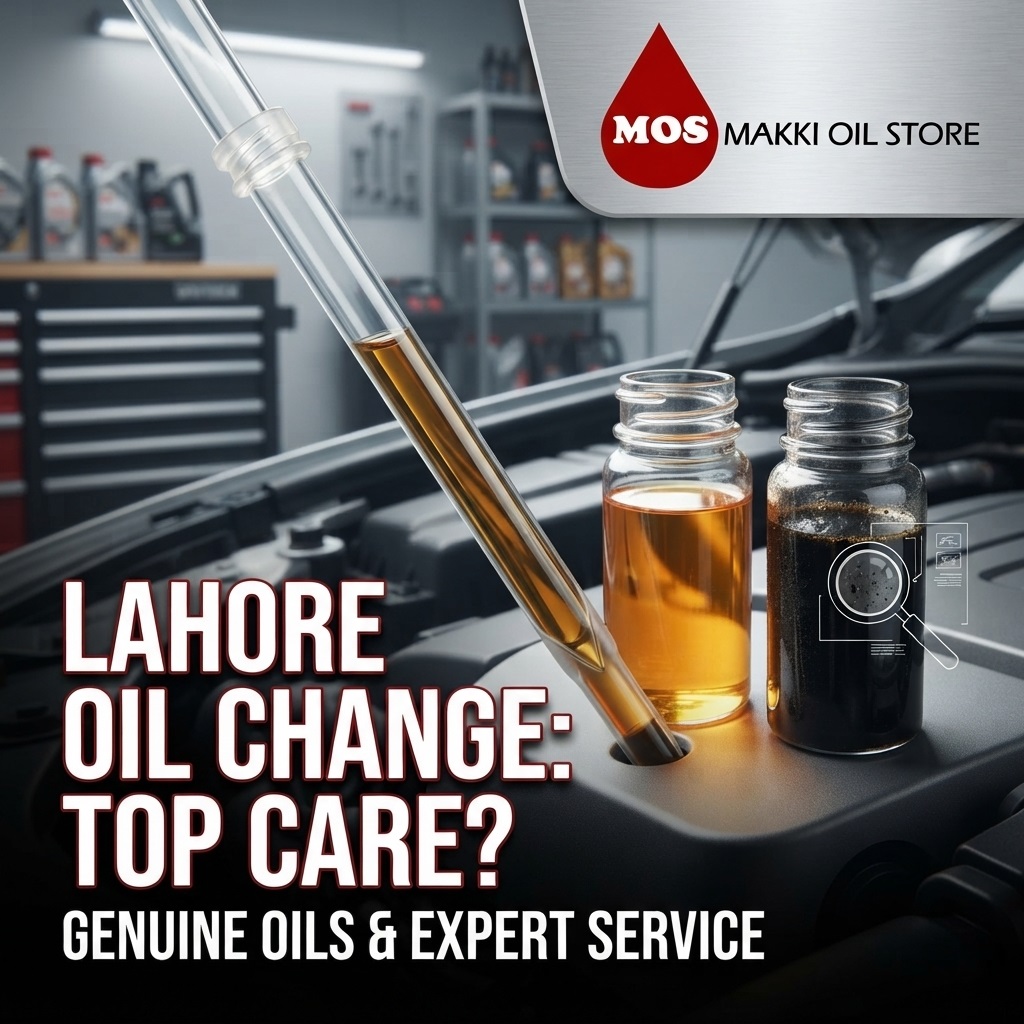
Clear signs of complete fluid breakdown include a distinct, clicking valvetrain noise upon starting the car, a noticeable drop in your fuel economy, and a sluggish throttle response. Physically inspecting the dipstick will reveal fluid that is thick, gritty, and dark black rather than clear amber. If you notice a strong, burnt odor inside the oil filler cap, it means the fluid has suffered severe thermal oxidation and requires an immediate flush.