Your vehicle’s engine is a masterpiece of precision engineering, but it relies on one simple component to stay alive: fresh, clean engine oil. Think of it as the lifeblood of your car. It lubricates high-speed moving parts, absorbs heat, and carries away the microscopic debris that builds up during combustion. However, oil doesn’t stay effective forever. In the demanding driving conditions of Pakistan, where heat, dust, and heavy traffic are part of daily life, oil degrades faster than it would in more temperate climates. Ignoring these signs can lead to sludge buildup, increased engine wear, and eventually, a breakdown that could have been easily prevented.
Warning Signs Your Engine Oil Needs Immediate Attention
Most modern cars have sensors that alert you when an oil change is due, but you shouldn’t rely solely on technology. Your senses are your best tool for detecting when your engine is struggling.
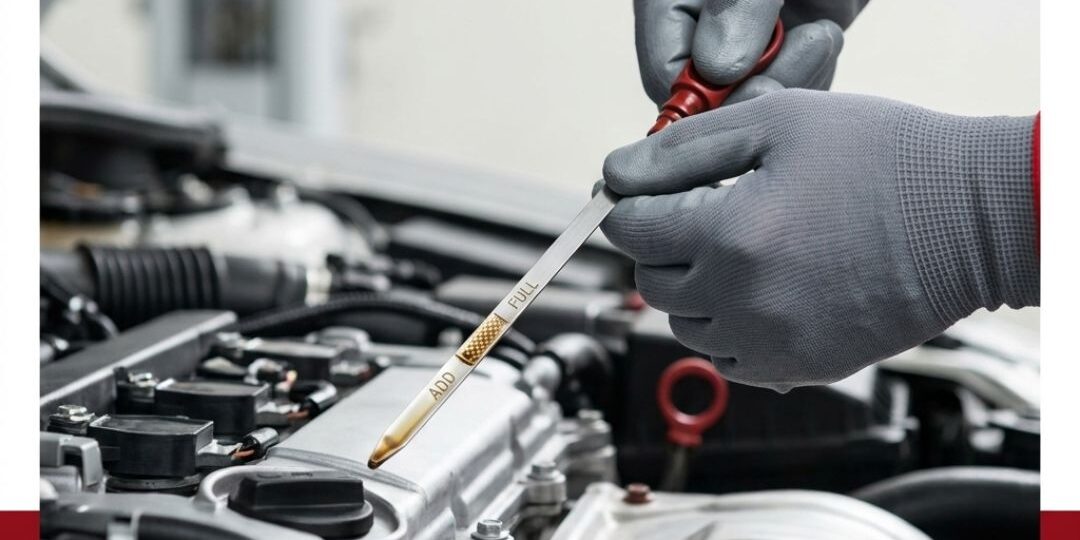
- Dark and Gritty Appearance: Fresh engine oil is typically a translucent amber or light brown color. As it collects carbon and contaminants from your engine, it turns black and opaque. Pull out your dipstick and wipe it on a clean white cloth. If the oil appears thick, black, or feels gritty between your fingers, its lubricating and cleaning properties have been compromised.
- Unusual Engine Noises: Oil acts as a cushion between metal engine components. When oil thins or becomes contaminated, that cushion disappears. If you hear persistent ticking, tapping, or knocking sounds coming from the engine, especially during idle, it is a major red flag that your engine parts are rubbing together without proper protection.
- Burning Oil Smell: A noticeable scent of burning oil inside the cabin is often a sign of a leak or that the oil is overheating. If you smell something acrid, it usually means oil is dripping onto hot engine parts or the lubricant has reached its thermal breakdown point.
- Excessive Exhaust Smoke: While a little thin vapor is normal on a cold morning, thick blue or gray smoke from your tailpipe suggests your engine is burning oil. This can occur when internal seals are damaged or when old, thin oil makes its way into the combustion chamber.
- Reduced Fuel Efficiency: Old, degraded oil creates more internal drag. Your engine has to work harder to overcome this friction, which directly impacts your fuel economy. If you notice yourself visiting the gas station more frequently than usual without a change in your driving route, your engine might be struggling against old oil.
Why Pakistan’s Driving Conditions Matter
The environment in which you drive has a massive impact on your oil change schedule. The “standard” intervals mentioned in international owner’s manuals often assume highway driving in moderate weather. In Pakistan, we face a different reality. High ambient temperatures throughout the summer cause oil to oxidize at an accelerated rate. Furthermore, our urban roads are often dusty, and stop-and-go traffic means your engine spends hours idling. These “severe” driving conditions mean your oil is working overtime.
If you are a city driver, it is wise to treat your vehicle to service more frequently than the manual’s “normal” interval. Many experienced local technicians recommend sticking to a consistent schedule of 5,000 to 7,000 kilometers, or every six months, to ensure your engine stays clean and efficient. When it comes to maintaining this standard, finding reliable professionals who prioritize quality products is key. You can look for a guide to the top engine oil shops in Lahore to ensure your next service is handled correctly.
The Long-Term Impact of Maintenance
Skipping an oil change might save you a little time today, but it is a gamble with your engine’s lifespan. Regularly replacing your oil at the Makki Oil Store or your preferred professional center ensures that you are removing the sludge that eventually clogs oil galleries. Clean oil keeps the engine cooler, improves throttle response, and preserves the resale value of your car. Prevention is always more cost-effective than repairing a seized engine or replacing damaged pistons. By paying attention to the signs your car is giving you, you are doing more than just maintenance; you are ensuring your vehicle remains a dependable partner for years to come.
Frequently Asked Questions
Is it necessary to change the oil filter every time I change my oil?
Yes, replacing the oil filter is mandatory during every oil change. The filter’s job is to trap the contaminants, metal shavings, and carbon particles that the engine oil picks up while circulating. By the time you need an oil change, your filter is likely saturated. Reusing it forces the oil to bypass the filtration media, sending dirty, abrasive oil back through your engine, which effectively makes your fresh, expensive oil useless.
Does the color of the oil on the dipstick tell the whole story?
While color is a strong indicator, it isn’t the only one. Fresh synthetic oil may darken relatively quickly due to its detergent properties, which is actually a sign it is cleaning the engine. However, if the oil is jet-black, opaque, and feels gritty to the touch, it is a clear sign that the additives have been depleted and it can no longer protect your engine. Always combine your visual check with an assessment of how the engine sounds and performs.
Can I just top off the oil instead of getting a full change?
Topping off your oil is a good practice if your levels are low, but it is not a substitute for an oil change. When you only top off, you are simply adding fresh lubricant to a mixture of old, degraded oil and contaminants. The old oil still retains its acidity, carbon deposits, and wear particles. A full oil change is the only way to remove these contaminants from your engine and restore its ability to properly lubricate and cool your moving parts.
How do I know if I’m driving in “severe” conditions?
“Severe” driving conditions are defined by how hard your engine has to work. This includes frequent short trips where the engine doesn’t reach operating temperature, heavy stop-and-go city traffic, idling for long periods, driving in extremely dusty environments, or towing heavy loads. In Pakistan, most urban driving falls under these categories. If your daily commute involves these factors, you should follow the “severe” service interval in your owner’s manual rather than the “normal” one.
Can old oil actually cause an engine to overheat?
Absolutely. Engine oil serves two main purposes: lubrication and cooling. It carries heat away from critical internal components like pistons and bearings. As oil ages, it thickens and loses its thermal stability, becoming less efficient at moving heat. If the oil can no longer dissipate heat effectively, your engine temperature will rise, potentially leading to overheating. This puts massive stress on the cooling system and, if left unaddressed, can lead to permanent damage.