As Lahore’s mornings become colder, many drivers switch on their car heaters during early commutes or late-night drives. Almost immediately, some notice that the engine doesn’t feel the same. Acceleration seems slightly delayed, the engine sounds heavier, or the temperature gauge behaves differently than usual.
This change often creates unnecessary worry. Many people assume the heater is putting extra load on the engine or damaging something internally. In reality, the heater itself is not the problem. What you are feeling is the combined effect of cold weather, engine oil behavior, traffic conditions, and driving patterns common in Lahore.
Understanding this difference helps drivers avoid myths and recognize when something truly needs attention.
How Car Heaters Actually Work (And Why They Don’t Stress the Engine)
A common misconception is that the heater “uses engine power.” In fact, a car heater simply redirects heat that the engine has already produced. Warm coolant flows through a small heater core, and air passing over it enters the cabin as warm air.
Because of this, the heater does not consume extra fuel or mechanically load the engine. If the engine feels different, the reason lies elsewhere — mainly in how engines behave during cold starts.
Cold Starts Change Engine Behavior Noticeably
When you start your car on a cold Lahore morning, engine oil is thicker, metal components are tighter, and the engine management system keeps RPMs slightly higher to help the engine warm up.
If the heater is turned on during this phase, some heat is drawn from the coolant before the engine has fully stabilized. This can make the warm-up feel slower and the engine response feel heavier for the first few minutes. This sensation is normal and temporary.
In Lahore’s traffic, where engines rarely get long, uninterrupted warm-up time, this feeling becomes more noticeable.
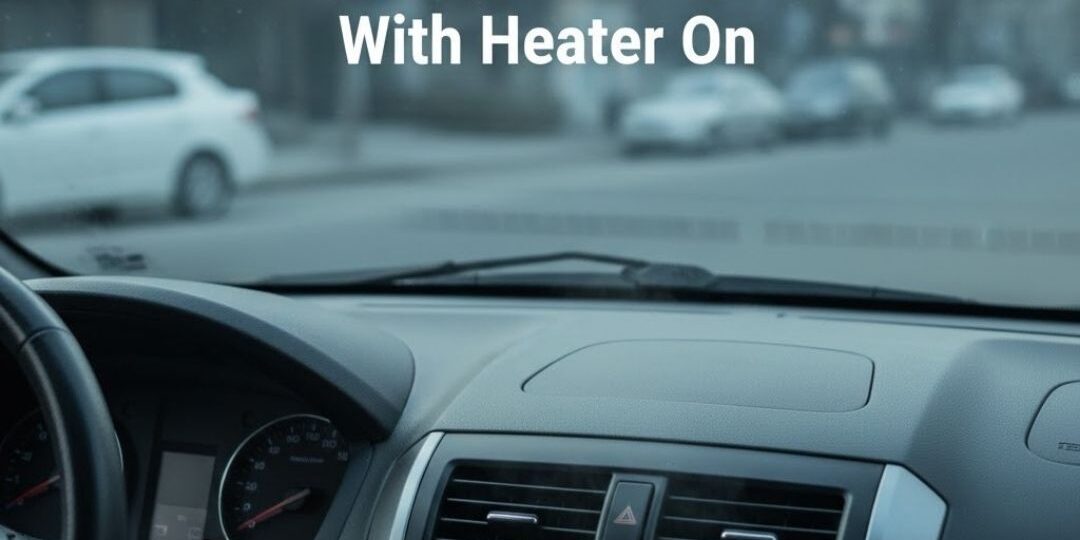
Why Engine Pickup Feels Heavier With the Heater On
Drivers often associate slower pickup with heater usage, but the real cause is oil viscosity and warm-up delay. Cold engine oil does not circulate as freely as it does at operating temperature. Until oil reaches optimal flow, friction remains slightly higher, and the engine feels less responsive.
Once the engine warms up properly, this sensation should disappear. If it does not, it usually points toward oil grade issues, old oil, or oil that is not suitable for winter conditions.
This is one reason experienced drivers rely on a trusted Engine oil shop in lahore to ensure the correct oil grade is used for seasonal driving rather than relying on guesswork.
Temperature Gauge Behavior Often Confuses Drivers
Another common observation is the temperature gauge rising slowly or fluctuating slightly when the heater is on. This happens because the heater pulls heat from the coolant, especially during short drives.
In winter traffic, the engine may take longer to reach normal operating temperature. This is not harmful on its own. It becomes a concern only if the engine never reaches normal temperature or if the gauge behaves erratically even after long drives.
Issues like these are often connected to underlying cooling or lubrication problems rather than heater usage. This is explained clearly in the guide on car engine heat-up, which covers why engines sometimes behave unexpectedly even after maintenance.
Why Lahore’s Traffic Makes This More Noticeable
In cities with smoother traffic, engines warm up steadily. Lahore’s stop-and-go traffic prevents that. Short trips, repeated idling, and frequent cold starts mean engines spend more time below ideal operating conditions.
When heater usage is added to this mix, drivers feel the difference more clearly. The engine isn’t struggling, it simply hasn’t reached the state where it performs smoothly.
Smog and Air Quality Add to the Effect
During winter, Lahore’s air quality declines. Smog reduces clean air intake and places additional strain on filters. While this doesn’t directly involve the heater, it contributes to an engine feeling less responsive overall, especially during cold starts.
Combined with thicker oil and traffic congestion, this makes winter driving feel very different from summer driving.
Older Cars Feel the Change More Clearly
Engines with higher mileage respond more noticeably to winter conditions. Oil circulation takes longer, internal clearances behave differently, and warm-up cycles are slower. This does not always mean something is wrong it simply means the engine is more sensitive to seasonal changes.
When the ‘Different Feeling’ Should Not Be Ignored
It is normal for the engine to feel different briefly. It is not normal if the feeling persists even after extended driving. Continued heaviness, unusual noise, or temperature irregularities usually indicate oil quality, oil grade, or cooling system issues rather than heater usage.
Addressing these early prevents larger problems later.
The Key Takeaway for Lahore Drivers
Your engine feels different with the heater on not because the heater is harming it, but because winter conditions expose how engine oil, traffic, and driving habits interact.
Cold starts, thicker oil, heavy traffic, and poor air quality all contribute to this sensation. A properly maintained engine with the right oil will always settle into smooth operation once fully warmed.
Understanding this helps you drive confidently and recognize real warning signs when they appear.
FAQs
Does using the car heater put extra load on the engine?
No. The heater uses existing engine heat through the coolant system. Any change you feel is due to cold weather behavior, not added engine load.
Why does my car feel sluggish in winter even after warming up?
This usually happens when engine oil is not ideal for winter conditions or when traffic prevents proper warm-up cycles.
Is it normal for the temperature gauge to rise slowly when the heater is on?
Yes. In cold weather, the heater draws heat from the coolant, which can slow down temperature rise during short or slow drives.
Can heater use cause engine overheating?
No. Overheating is usually linked to oil quality, coolant issues, or cooling system faults—not heater usage.
Why do older cars feel the difference more in winter?
Higher-mileage engines take longer to warm up, and oil circulation is slower, making seasonal changes more noticeable.