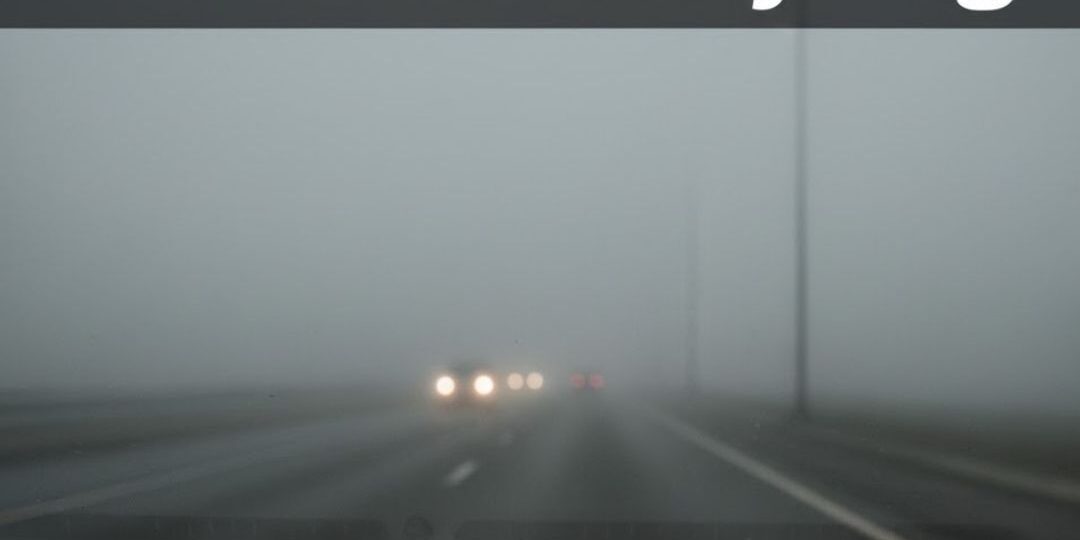
Winter fog in Lahore is no longer a light morning inconvenience. On many days, visibility drops so sharply that drivers can barely see a few meters ahead. Roads like Canal Road, PIA Road, Multan Road, and Ring Road become especially challenging during early office hours, when fog, traffic, and impatience collide.
In these moments, accidents don’t happen because people don’t know how to drive. They happen because visibility changes how the human brain judges distance, speed, and movement. Understanding how to drive when visibility is almost zero is less about rules and more about calm decision-making, correct vehicle setup, and realistic expectations.
This guide explains how Lahore drivers can handle near-zero visibility safely, without panic, myths, or overconfidence.
Why Fog Is So Dangerous in Lahore
Fog in Lahore is often dense, moist, and persistent. It doesn’t behave like light mist. It absorbs and scatters light, reduces contrast, and removes depth perception. Objects that seem far away may actually be very close. Brake lights appear suddenly. Lane markings disappear.
What makes Lahore more difficult is traffic density. Even at low speeds, one wrong assumption can cause chain reactions.
The Biggest Mistake Drivers Make in Zero Visibility
Most drivers try to “fight” fog instead of adapting to it. They drive as if visibility will improve any second. This leads to sudden braking, lane changes, and tailgating.
In fog, predictability is safety. Smooth, slow, and visible driving protects not only you but everyone around you.
Use the Right Lights (And Avoid the Wrong Ones)
High beams are one of the most common mistakes in fog. They reflect light back into your eyes, making visibility worse. Low beams are far more effective because they aim light downward, reducing glare.
Equally important is the condition of your headlights. Fog reduces contrast, so dull or yellowed headlights dramatically worsen visibility. Many Lahore drivers underestimate this factor.
If your headlights have faded over time, using proper headlight protection films (commonly known as headlight papers) helps restore clarity and improves light projection in foggy conditions. These are available locally at Makki Oil’s PIA Road branch. Clear headlights don’t make fog disappear, but they make you more visible to others and that matters most in zero-visibility situations.
Slow Down More Than You Think Is Necessary
Fog distorts speed perception. At 40 km/h, it may feel like you’re crawling but in fog, stopping distance still matters. Wet roads and reduced reaction time mean you need more space, not less.
Driving slowly is not a weakness. It’s awareness.
Follow Road Markings, Not Other Cars
Many drivers instinctively follow the tail lights of the car ahead. This is risky. If that driver makes a sudden move, you inherit their mistake.
Instead, focus on:
- Lane markings
- Road edges
- Reflective markers
These give you stable reference points that don’t suddenly disappear.
Avoid Sudden Braking and Sharp Steering
In fog, other drivers may not see your brake lights in time. Sudden braking increases rear-end collision risk.
Smooth deceleration and gentle steering keep your vehicle predictable. Predictability is the single most important factor in fog safety.
Windows, Windshield, and Internal Fogging Matter Too
Visibility is not only external. Internal fogging reduces clarity further. Make sure:
- The defogger is working
- Windows are clean
- Wipers are effective
A partially fogged windshield combined with external fog creates a dangerous illusion of visibility.
Why Engine Behavior Feels Different in Foggy Winter Mornings
Foggy weather usually comes with cold temperatures and high humidity. Engines take longer to warm up, and oil flows more slowly at first. This can make acceleration feel heavier or delayed.
It’s normal but only temporarily. Persistent heaviness or unusual temperature behavior may indicate deeper issues, especially during smog-heavy months. This is explained in more detail in this guide on how Lahore’s smog is damaging your car engine and oil, which connects air quality, winter driving, and engine stress.
When It’s Better Not to Drive at All
If visibility drops to a point where you cannot see lane edges or nearby vehicles clearly, the safest decision is to delay travel. No appointment is worth the risk of driving blind.
Lahore fog often clears within hours. Waiting is sometimes the smartest form of driving.
Why Vehicle Preparation Matters in Fog Season
Fog exposes weaknesses in vehicles. Poor headlights, worn wipers, dirty windshields, and neglected maintenance all become more dangerous when visibility is limited.
Keeping your car winter-ready isn’t about upgrades, it’s about readiness. Regular checks and small fixes make a big difference during fog season. You can explore general services and guidance on the Makki oil Store, where winter-specific driving concerns are addressed more practically.
Key Takeaway for Lahore Drivers
Driving in near-zero visibility is not about courage or confidence. It’s about restraint, preparation, and understanding how fog affects both vision and judgment.
Slow down. Use the right lights. Make your car visible. Keep your windshield and headlights clear. And when visibility becomes truly unsafe, choose patience over pressure.
That decision alone prevents more accidents than any driving technique ever could.
FAQs
Should I use hazard lights while driving in fog?
Only if you are stopped or moving extremely slowly. Continuous use while driving can confuse other drivers.
Do fog lights really help?
Yes, when used correctly. They are designed to cut under fog and improve near-ground visibility.
Why does fog feel worse on some roads than others?
Open areas, canals, and low-lying roads trap fog more heavily and reduce visual references.
Is it safe to overtake in fog?
Overtaking in dense fog is extremely risky and should be avoided.
Does fog affect engine performance?
Indirectly, yes through cold starts, humidity, and air quality, especially during smog season.