
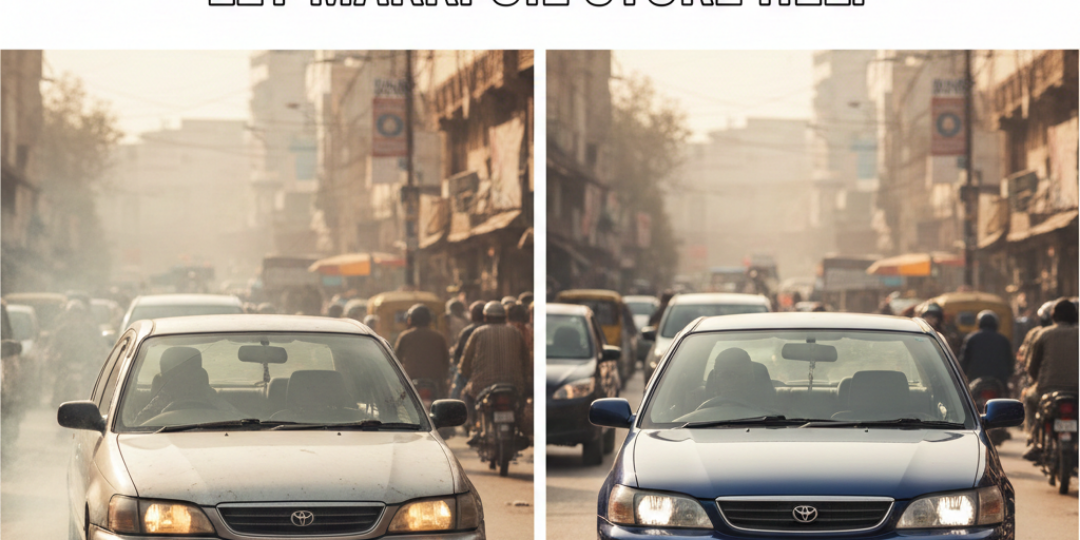
If your car feels older than its mileage suggests, you are not imagining things. In Lahore, vehicles age faster than expected because engines operate under heat stress, traffic congestion, dust exposure, and inconsistent maintenance habits. Over time, small maintenance delays quietly compound into measurable engine wear. Most drivers only notice when performance drops or fuel consumption rises, but by then, the aging process is already well underway. After years of working with local drivers, delivery fleets, and workshop technicians through Makki Oil Store, one pattern stands out. Cars that follow disciplined engine oil maintenance age gracefully. Cars that delay oil care feel old years before their time. This guide explains why cars age faster in Lahore, how engine oil quality shapes that process, and what practical steps slow aging without overpromising or exaggeration.
Why Cars Age Faster In Lahore Than Drivers Expect
Engine aging is not only about years. It is about operating stress. Lahore’s driving environment accelerates mechanical fatigue in ways many owners underestimate. Stop-and-go traffic increases engine heat cycles. Long idling reduces oil circulation efficiency. Dust enters through intake systems even with good filters. Short city trips prevent full oil temperature stabilization, allowing moisture and fuel vapors to remain suspended in the lubricant. Each of these factors degrades oil faster and increases internal friction. When friction rises, metal surfaces polish against each other instead of floating on a protective oil film. This microscopic wear accumulates daily.
How Engine Oil Controls The Speed Of Mechanical Aging
Engine oil does not merely lubricate. It manages heat transfer, suspends contaminants, protects seals, and cushions moving components. When oil is fresh and correctly matched to engine design, wear remains slow and predictable. When oil is degraded or mismatched, wear accelerates unevenly. Many engines in Lahore show early bearing noise, sticky piston rings, and valve train roughness not because the engines are poorly built, but because oil quality and change discipline do not match real operating conditions. Oil aging is gradual, which is why the damage feels invisible. Engines do not fail suddenly from oil neglect. They age prematurely and lose efficiency long before breakdowns appear.
Early Signs That Your Car Is Aging Too Fast
Premature aging often shows up through subtle changes that drivers normalize. Fuel economy drops slightly. The engine becomes louder at idle. Acceleration feels heavier. Oil level decreases between changes. These are not dramatic failures. They are signals of friction increase and seal wear. These symptoms usually point to oil that is no longer protecting internal surfaces efficiently. At this stage, damage is still controllable if maintenance habits improve.
How Used Cars Carry Hidden Aging From Oil Neglect
Many used vehicles in Lahore look mechanically sound but carry hidden aging caused by inconsistent oil care. Test drives do not reveal early sludge buildup or bearing wear. Service history often lacks clarity. Sellers may not even realize the long-term impact of previous oil neglect.
This is why oil inspection before purchase is critical. Understanding oil condition helps reveal internal wear patterns that visual inspection misses. For practical guidance, Check Engine Oil Before Buying provides a simple way to avoid inheriting years of silent damage.
How Driving Style Shapes Engine Aging
Driving behavior shapes oil stress more than most drivers realize. Aggressive acceleration raises oil temperature rapidly. Short trips leave moisture in oil longer. Heavy loads increase internal pressure on bearings and piston rings. Extended idling reduces airflow cooling.
None of these habits alone destroys engines. Combined over time, they accelerate oil degradation and mechanical aging. This is why two identical cars can age differently even under similar mileage.
The Real Cost Of Premature Engine Aging
Premature aging rarely arrives as a single large bill. It shows up as gradual efficiency loss. Fuel consumption rises. Minor leaks appear. Engine noise increases. Repairs become frequent rather than exceptional.
Over years, the cumulative cost of these issues exceeds the cost of disciplined oil maintenance many times over. What feels like saving money by delaying oil care often becomes the most expensive maintenance decision an owner makes.
Table 1: How Oil Care Influences Engine Aging
| Maintenance Discipline | Internal Wear Pattern | Long-Term Outcome |
| Consistent oil care | Controlled, slow wear | Stable performance |
| Delayed oil changes | Rising friction zones | Early efficiency loss |
| Poor oil quality | Uneven lubrication | Accelerated component aging |
| Mixed habits | Irregular wear | Unpredictable repairs |
This pattern is repeatedly observed across different vehicle types and engine sizes.
High Mileage Engines Need Better Oil Discipline, Not Less
As engines age, internal tolerances widen. Seals lose elasticity. Deposits form more easily. This makes oil quality and change discipline more important, not less. Older engines rely on stable oil viscosity to maintain protective film strength. Delaying oil changes in high-mileage vehicles accelerates oil burning, sludge formation, and bearing wear. Once these processes advance, recovery becomes limited.
Table 2: Engine Age Versus Oil Discipline Impact
| Engine Age | Oil Discipline | Practical Outcome |
| Low mileage | Consistent | Normal aging curve |
| Low mileage | Inconsistent | Early wear signs |
| High mileage | Consistent | Extended service life |
| High mileage | Inconsistent | Rapid mechanical decline |
This explains why some older cars remain reliable while others feel worn out despite similar mileage.
Why Maintenance Culture Shapes Vehicle Longevity
Engines reflect habits more than brand names. Vehicles that follow preventive maintenance age slowly. Vehicles treated reactively age unpredictably. The difference is rarely visible early. It becomes obvious only after years.
At Makki Oil Store, we often meet owners surprised by how quickly their cars feel old. The underlying cause is almost always maintenance rhythm, not manufacturing quality.
How To Slow Your Car’s Aging Without Overcomplicating Maintenance
Slowing aging does not require complex routines. It requires consistency. Oil quality must match engine design and climate. Change intervals must reflect real driving conditions, not just handbook averages. Oil level must be checked periodically, especially in high-mileage engines. These habits create compounding benefits. Engines stay cleaner internally. Friction remains lower. Seals remain flexible longer. The car feels younger because it is aging at a controlled pace.
Frequently Asked Questions
How Can You Tell If Your Car Is Aging Faster Than Normal?
Early signs include rising fuel consumption, increasing engine noise, and minor oil usage between services.
Does Driving Less Automatically Slow Engine Aging?
Short trips often age oil faster due to moisture retention, even if total mileage is low.
Can Better Oil Reverse Engine Aging?
Oil cannot reverse wear but can slow further aging if applied before damage becomes severe.
Do Older Engines Need Thicker Oil?
Some older engines benefit from stable viscosity, but oil choice should follow manufacturer guidance adjusted for real conditions.
Is Oil Quality More Important Than Oil Change Timing?
Both matter. High-quality oil still degrades if used too long, and frequent changes with poor oil do not provide stable protection.